



































Breaking: Debt Court Orders Closure of LEC Headquarters Over US$309,000 Arears To Swedish Company
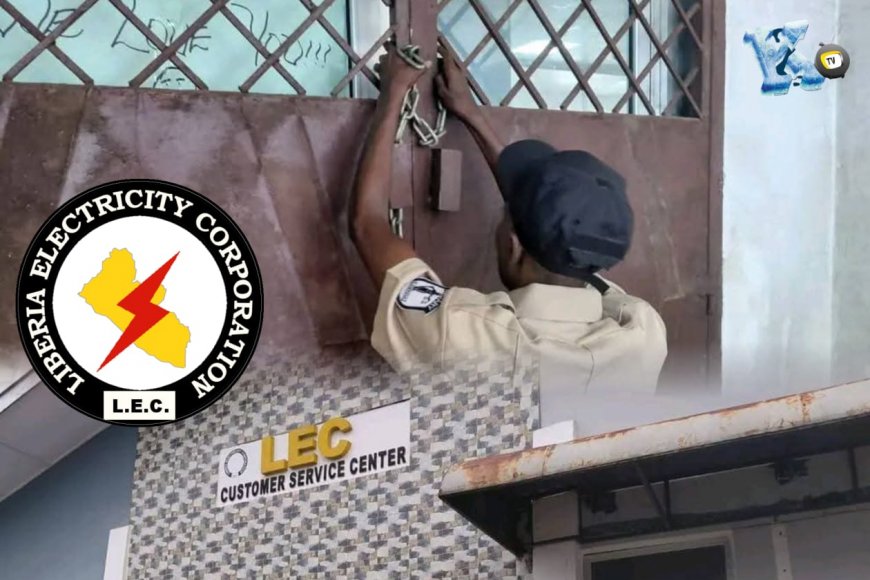
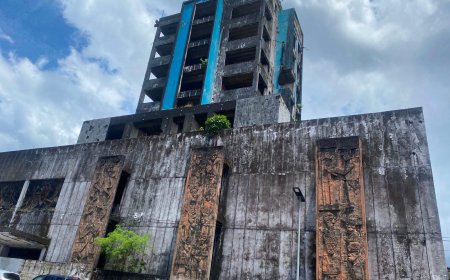
The Debt Court, under the instruction of Judge James Jones, ordered the immediate closure of the Liberia Electricity Corporation (LEC) headquarters on Tuesday, January 6, over an unpaid debt totaling US$309,929.40.
By: Emmanuel George
The court’s action followed LEC failure to settle a financial obligation owed to ELTEL Network, a Swedish engineering and electrical supply company that supplied essential materials for Liberia’s electricity distribution network.
According to the court order, issued on January 5, 2026, a writ of execution authorizes the seizure and potential sale of LEC assets to recover the outstanding debt.
The directive also cautions that, if the seized assets are insufficient, the court may hold LEC Managing Director Mohamed Sheriff and other senior officials responsible for the corporation’s financial management liable to arrest.
The dispute traces back to a 2016 contractual agreement between LEC and ELTEL Network, under which the Swedish firm supplied materials aimed at strengthening and expanding Liberia’s electricity distribution systems. The original contract was valued at US$434,459.
ELTEL Network maintains that all materials were delivered according to the agreement, but LEC later contested the full payment, citing disagreements over contract execution and valuation. Multiple attempts at an out-of-court resolution reportedly failed over the years, leading ELTEL Network to pursue arbitration.
In September 2025, the arbitration tribunal ruled in favor of ELTEL Network, confirming LEC’s liability for the unpaid sum of US$309,929.40.
LEC’s continued refusal to comply prompted the Debt Court to enforce the judgment through the writ of execution, resulting in the physical sealing of its headquarters.
The closure has fueled concerns among Monrovia residents and electricity consumers, many of whom fear disruptions to the already fragile power supply.
“If LEC shuts down, where will we get electricity from?” asked one resident, echoing widespread public apprehension.
Legal observers note that the case highlights broader issues regarding public institutions’ accountability in honoring contractual obligations. Unresolved debts of this magnitude, they warn, carry significant operational, legal, and reputational risks.
As of press time, LEC had not issued a statement regarding the court order, the status of the debt repayment, or when headquarters operations might resume.
The situation remains fluid as stakeholders monitor whether LEC will comply promptly with the ruling to restore normal operations and avert further legal consequences.
What's Your Reaction?
 Like
0
Like
0
 Dislike
0
Dislike
0
 Love
0
Love
0
 Funny
0
Funny
0
 Angry
0
Angry
0
 Sad
0
Sad
0
 Wow
0
Wow
0