

































U.S. Expands Visa Bond Policy, Affecting Dozens of African Countries Liberia Not on the List
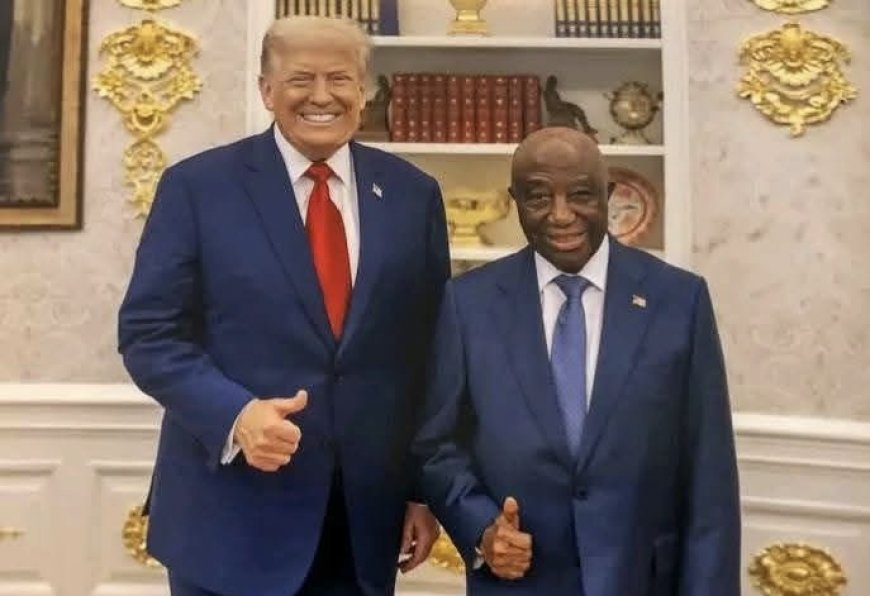
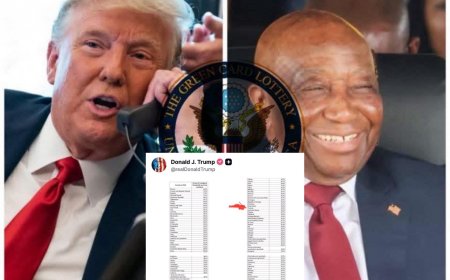
Washington, D.C.: The United States has significantly expanded its visa bond policy, adding dozens of countries many of them in Africa to a list of nations whose citizens may now be required to post refundable financial guarantees as part of the U.S. visa application process.
Liberia was not included in the latest expansion, a notable exclusion given the policy’s sweeping regional impact.
Under the expanded policy, applicants from designated countries seeking B-1 (business) and B-2 (tourism) visas may be required to post a refundable bond ranging from US$5,000 to US$15,000 at the time of their visa interview.
U.S. authorities say the measure is aimed at reducing visa overstays and strengthening immigration compliance. Critics, however, argue that the policy creates a steep financial barrier for legitimate travelers.
• The number of affected countries has risen to 38.
• A majority of the newly added countries are in Africa, with others in Asia and Latin America.
• The expanded requirements are scheduled to take effect on January 21, 2026.
The bond is refundable only if the visa is denied or the traveler fully complies with visa conditions, including departing the United States on time. Payment of the bond does not guarantee visa approval.
The updated list spans West, East, Central, and Southern Africa. Countries now subject to the visa bond requirement include:
• Nigeria
• Senegal
• Uganda
• Angola
• Gabon
• Côte d’Ivoire
• Togo
• Zambia
• Namibia
• The Gambia
• Guinea
• Guinea-Bissau
• Central African Republic
• Tanzania
• São Tomé and Príncipe
• Mauritania
• Malawi
• and others
Nationals of these countries seeking short-term travel to the U.S. whether for family visits, tourism, or business will now face additional financial conditions.
The policy also affects non-African countries, including Cuba, Bangladesh, Nepal, and Venezuela.
The expanded visa bond requirement is expected to have far-reaching consequences:
• Travel becomes less accessible: In many affected countries, a US$15,000 bond exceeds average annual income, making travel financially unrealistic for many applicants.
• Diaspora ties may weaken: Frequent short-term travel between Africa and the U.S. is common for family, religious, and community reasons. High upfront costs could disrupt these connections.
• Business and investment travel may slow: Entrepreneurs, trade delegations, and small businesses may divert travel to countries with fewer entry barriers.
While U.S. officials describe the policy as a compliance tool, immigration advocates warn it could strain diplomatic relations and limit people-to-people engagement.
Liberia is not among the countries subject to the visa bond requirement in the latest expansion.
As a result, Liberian nationals applying for U.S. visas will not be required to post the new financial deposits at least under the current policy framework.
Given the regional scope of the restrictions, Liberia’s exclusion is significant and places the country in a more favorable position compared to many of its neighbors.
The visa bond program began as a limited pilot in 2025 and has expanded rapidly. Analysts note that:
• The U.S. could further expand the list based on visa overstay data and security assessments.
• Some affected countries are already considering or implementing reciprocal visa measures against U.S. travelers.
For governments, travelers, and businesses, close monitoring of the policy remains critical as implementation details and country lists continue to evolve.
What's Your Reaction?
 Like
0
Like
0
 Dislike
0
Dislike
0
 Love
0
Love
0
 Funny
0
Funny
0
 Angry
0
Angry
0
 Sad
0
Sad
0
 Wow
0
Wow
0