







Fahnbulleh Warns Against Granting Non-Negro Liberian Citizenship
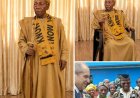
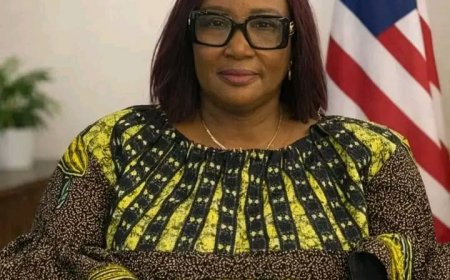
Liberian cultural icon and veteran musician, Miatta Fahnbulleh, has strongly opposed calls for non-Negro descendants to obtain Liberian citizenship. Fahnbulleh warned that amending Liberia’s citizenship laws could expose the nation to foreign exploitation and weaken the vision of its founding fathers.


Monrovia, Liberia: Liberian cultural icon and veteran musician, Miatta Fahnbulleh, has strongly opposed calls for non-Negro descendants to obtain Liberian citizenship.
Fahnbulleh warned that amending Liberia’s citizenship laws could expose the nation to foreign exploitation and weaken the vision of its founding fathers.
Her comments come in response to recent suggestions by former Liberian President Ellen Johnson Sirleaf that lawmakers should consider expanding Liberia’s citizenship eligibility to include both Negro and non-Negro descendants.
The former President said that such a move could help boost the economy and accelerate development in Liberia.
However, Miatta Fahnbulleh argued that granting non-Negro citizenship could have serious implications for national sovereignty and control over Liberia’s land and resources.
“The founders of this nation were deliberate about the protections they placed in our Constitution,” Fahnbulleh said. “We should not casually dismantle what they carefully built.”
Liberia’s citizenship laws, outlined in the 1986 Constitution, limit citizenship to people of African descent.
This clause is rooted in the ideals of the Liberian Declaration of Independence, when the country was founded as a homeland for freed Black people and their descendants.
Fahnbulleh pointed out that even during the constitutional reform debates of the early 1980s, prominent Liberian intellectuals, including Amos C. Sawyer, chose to maintain this clause.
“Those were brilliant Liberian minds,” she said. “Why must we now believe we know better than our ancestors?”
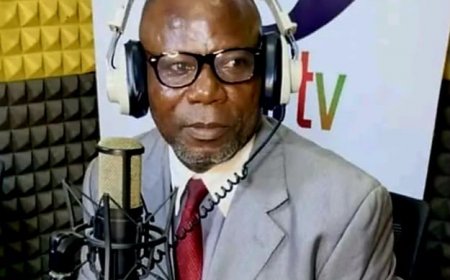
Speaking on a local radio on Tuesday, March 10, the veteran activist also warned that expanding citizenship eligibility could attract individuals seeking legal access to Liberia’s land and resources instead of genuine national integration.
“They don’t want to live here,” Fahnbulleh warned. “They want the documents so they can buy land and control our resources.”
She also questioned the timing of the renewed debate, noting that.ex-President Sirleaf governed Liberia for twelve years without proposing such a reform.
“Madam had twelve years with power and influence,” she said. “Why bring up this issue now under another administration?”
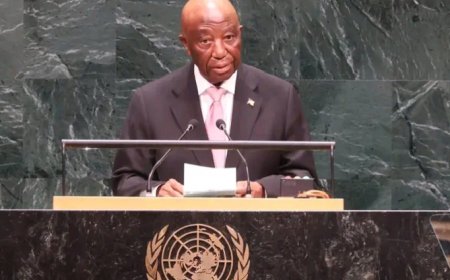
Miatta Fahnbulleh at the same time urged President Joseph Boakai to carefully review policy proposals related to this matter.
“Not everyone who comes with advice has the country's best interests at heart," she cautioned.
What's Your Reaction?
 Like
0
Like
0
 Dislike
0
Dislike
0
 Love
0
Love
0
 Funny
0
Funny
0
 Angry
0
Angry
0
 Sad
0
Sad
0
 Wow
0
Wow
0