




























UN Condemns Rising Attacks on Journalists, Warns of Worsening Impunity Crisis
The United Nations has condemned rising attacks on journalists globally, warning of worsening impunity and increasing threats including violence, censorship, surveillance, and legal harassment undermining press freedom worldwide.

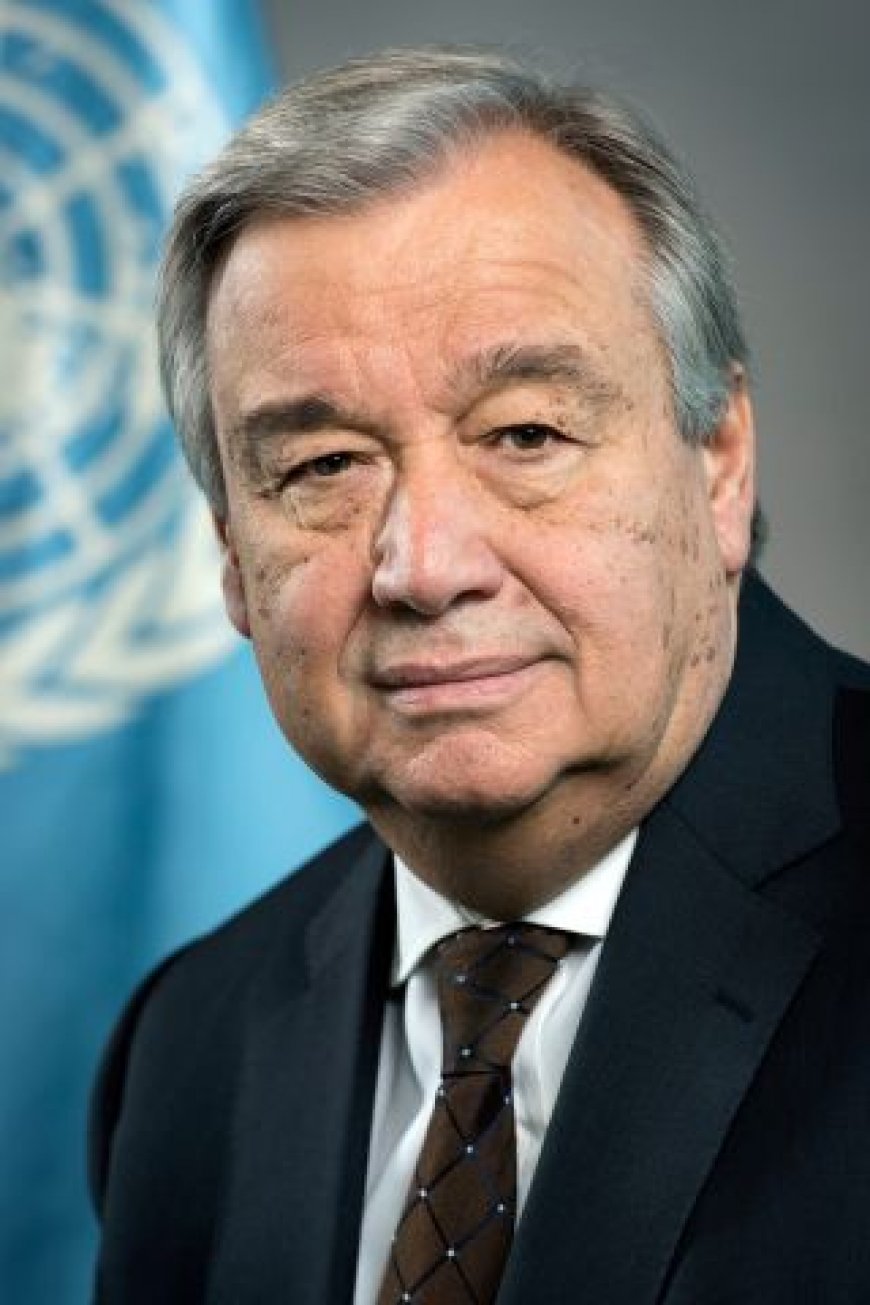
MONROVIA, LIBERIA — May 1, 2026: The United Nations has condemned the rising global attacks on journalists, warning that escalating violence, persistent intimidation, and deepening impunity are pushing press freedom into a critical state of strain as media workers continue to face increasing risks in both conflict and non-conflict environments where accountability journalism is becoming more dangerous to practice.
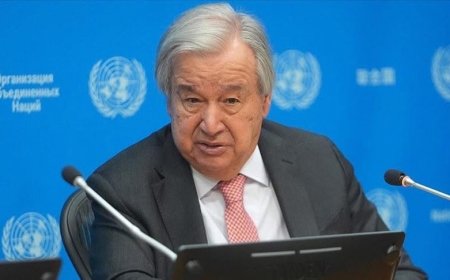
The UN Secretary-General underscored that journalists are no longer only collateral victims of conflict but are increasingly being directly targeted, particularly in settings where reporting exposes governance failures, corruption, or abuse of power, with the trend reflecting a broader global deterioration in respect for independent media institutions.
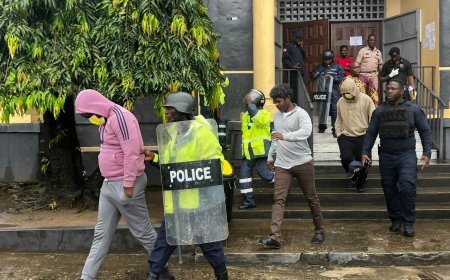
The statement highlights that journalists are confronting a widening spectrum of threats, including physical assaults, arbitrary arrests, censorship, digital surveillance, and coordinated legal harassment, all of which are contributing to an increasingly hostile environment for free and independent reporting across multiple regions of the world.
A central concern raised by the United Nations is the persistence of impunity, with the organization noting that a vast majority of crimes committed against journalists remain unresolved, reinforcing cycles of violence and weakening institutional accountability mechanisms that are meant to protect media professionals.
In a key message from the Secretary-General, the United Nations emphasized that the failure to investigate and prosecute such crimes is not only a justice issue but a direct threat to democratic governance and the rule of law globally.
Beyond physical threats and legal intimidation, the UN also pointed to growing structural pressures on journalism, including economic instability within media organizations, rapid technological shifts in information distribution, and the manipulation of digital platforms, all of which are reshaping how information is produced, controlled, and consumed.
The statement further warned that the weakening of credible journalism is contributing to misinformation, reduced public trust, and the fragmentation of civic discourse, while simultaneously undermining societies’ ability to respond effectively to crises, make informed decisions, and sustain democratic accountability systems.
What's Your Reaction?
 Like
0
Like
0
 Dislike
0
Dislike
0
 Love
0
Love
0
 Funny
0
Funny
0
 Angry
0
Angry
0
 Sad
0
Sad
0
 Wow
0
Wow
0