
















“Only Sinoe Politicians Can Check on 2029 Daily” — Rep. Alex Noah’s Statement Exposes Sinoe’s Political and Development Contradictions

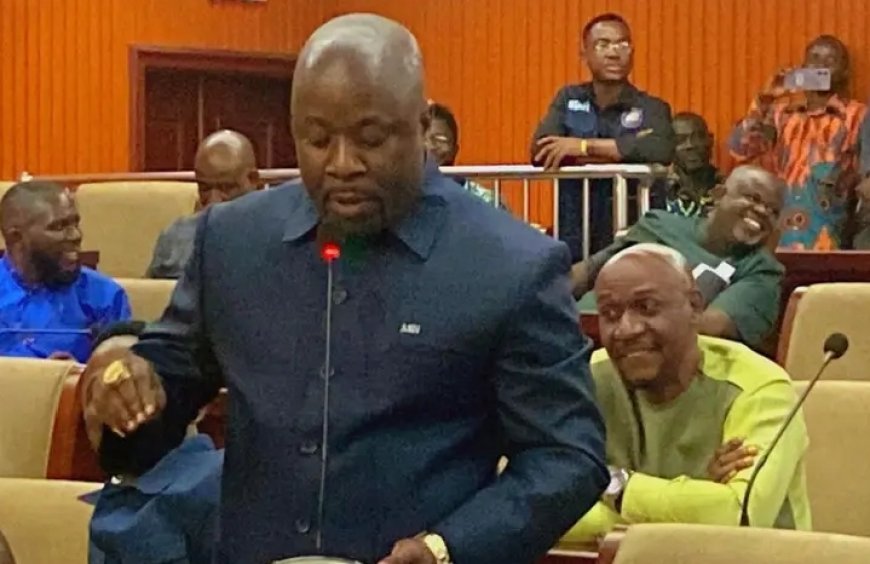
Sinoe County, Liberia:“Only Sinoe politicians can check on 2029 daily then going to the hospital to check on their health statuses. Knowing that u need to be in good health before 2029.”
That social media statement from Sinoe County District #3 Representative Alex Sundayboy Noah may have sounded humorous to some people, but beneath the words lies a serious reflection of the political reality confronting one of Liberia’s oldest and most historically significant counties.
Representative Noah’s comment appears to underscore the growing obsession with the 2029 elections at a time when Sinoe County continues to struggle with major development challenges despite its rich historical importance to Liberia. The statement has sparked discussions about whether politicians are becoming more focused on political survival and future campaigns than addressing the pressing needs of the people.
Sinoe County occupies a unique place in Liberian history. Originally established as Mississippi-in-Africa by freed African-Americans from the United States, the territory became part of Liberia in 1842, joining Montserrado and Grand Bassa as among the earliest foundations of the Liberian state. Maryland later joined the republic in 1857 after operating independently as Maryland-in-Africa following its declaration of independence in 1854.
With such historical significance, many citizens believe Sinoe should today stand as one of Liberia’s leading counties in terms of development, historical preservation, tourism, and infrastructure. Instead, residents continue to raise concerns about poor roads, weak healthcare systems, limited economic opportunities, and the gradual destruction of historical landmarks due to environmental neglect.
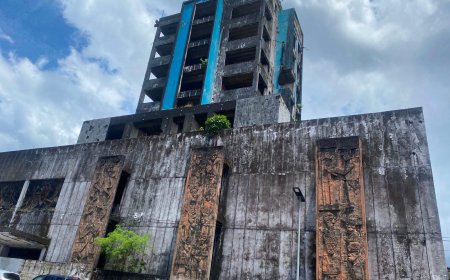
One of the strongest examples repeatedly highlighted by citizens is Mississippi Street in Greenville, an area deeply connected to the county’s settlement history. What should serve as a major heritage and tourist attraction is instead reportedly being damaged by sea erosion while little visible action is being taken to preserve it.
The situation has led many residents to question why politicians appear increasingly focused on future elections while historical and developmental challenges continue to threaten the county.
Observers say Representative Noah’s statement indirectly reflects frustration over a political culture where discussions about the next election begin long before current responsibilities are fulfilled.
Sinoe County is represented at the national legislature by District #1 Representative Thomas Romeo Quioh, District #2 Representative Samson Quejue Wiah, District #3 Representative Alex Sundayboy Noah, along with two senators representing the county in the Liberian Senate.
Citizens are now calling for greater collaboration among these leaders to prioritize development rather than concentrating heavily on political calculations ahead of 2029.
Many residents believe the county’s lawmakers and senators should focus on working collectively to improve roads, strengthen healthcare services, protect historical sites, address sea erosion, and create opportunities for young people instead of waiting until campaign periods to convince citizens with promises.
Political analysts argue that Sinoe County possesses enormous untapped potential through its historical identity, natural resources, and environmental significance, including the internationally recognized Sapo National Park.
However, they warn that meaningful progress will remain difficult if political competition continues to overshadow long-term planning and development efforts.
Representative Noah’s statement has therefore gone beyond a simple social media post. To many observers, it has become a reminder of the difficult questions confronting Sinoe County: whether political leaders will place greater attention on preserving the county’s historic legacy and improving the lives of citizens, or continue focusing primarily on the politics of 2029.
What's Your Reaction?
 Like
0
Like
0
 Dislike
0
Dislike
0
 Love
0
Love
0
 Funny
0
Funny
0
 Angry
0
Angry
0
 Sad
0
Sad
0
 Wow
0
Wow
0