














President Boakai Calls on Ministers to Invest in Agriculture at 7th Cabinet Meeting
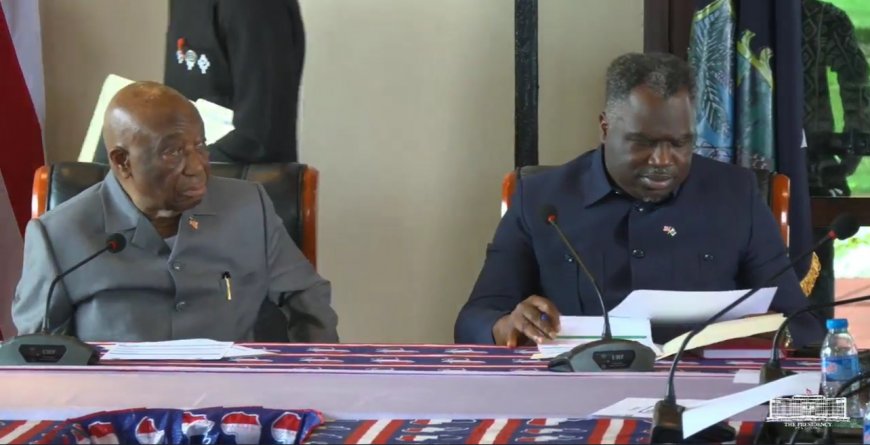
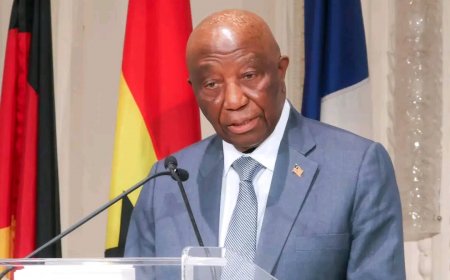
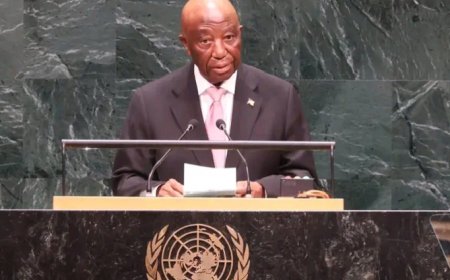
Capitol Hill, Liberia: President Joseph Nyuma Boakai has called on government officials and citizens across the country to embrace agriculture as a practical pathway to increasing food production, creating jobs, and strengthening the national economy.
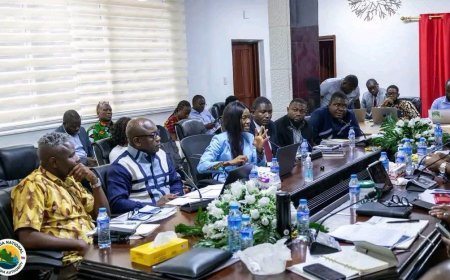
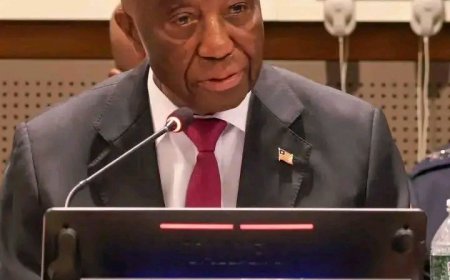
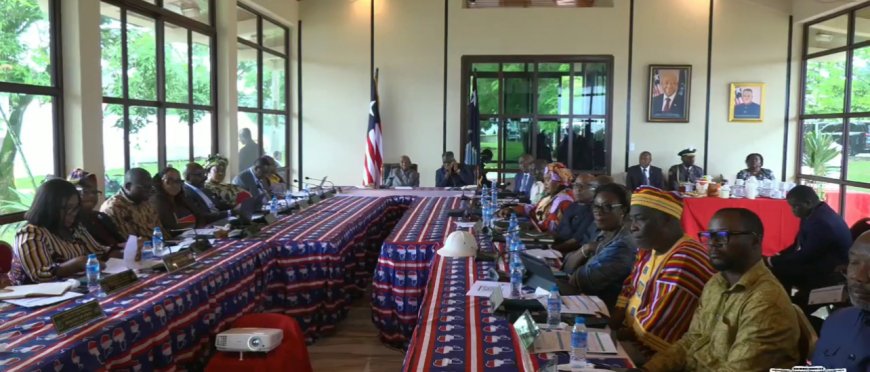
Addressing members of his Cabinet during the 21st Cabinet Meeting and seventh Cabinet session of 2026 held at the Tea House of the Executive Mansion on Thursday, the President said Liberia possesses enormous agricultural resources that have yet to be fully developed.
Boakai noted that the country has the land, climate, and human capacity needed to boost agricultural output and reduce dependence on imported food. He recalled being encouraged during the last Christmas season when locally produced goods dominated gift baskets distributed during the holidays.
According to the President, the experience demonstrated that Liberia can produce more of what it consumes if greater attention is given to the agricultural sector.
He encouraged Cabinet ministers and other government officials to become directly involved in farming activities, stressing that agriculture should not be viewed solely as the responsibility of rural farmers. He referenced a recent catfish production initiative that attracted significant public attention as an example of the opportunities available within the sector.
The President said farming is accessible to many Liberians and does not require specialized expertise to get started. He explained that individuals with available land can receive technical guidance from agricultural professionals to determine suitable crops and production methods.
Boakai further emphasized the importance of expanding support services for farmers. He said access to farming equipment, technical assistance, and extension services remains essential for increasing productivity nationwide. While financial support is important, he argued that practical knowledge and professional guidance are equally critical to success.
As part of efforts to strengthen oversight of the sector, the President directed the Ministry of Agriculture to provide regular reports on crop production, including rice and other key food commodities. He also requested that the ministry outline opportunities through which both public officials and ordinary citizens can contribute to agricultural development.
The President additionally reminded Cabinet members about Liberia’s performance under the Millennium Challenge Corporation scorecard, emphasizing that improvements in governance and development indicators require cooperation across all sectors of government.
His remarks come as the administration continues efforts to increase local food production, improve rural livelihoods, and lessen the country’s reliance on imported food products.
Responding to the President’s comments, some small-scale farmers in the Johnsonville-Greenland area welcomed the initiative, expressing hope that stronger involvement by government officials would attract greater investment and public interest in agriculture.
One local farmer, Patience Joe, said the President’s message was encouraging but stressed that citizens now want to see concrete actions that will translate the vision into results. She added that active participation by government leaders could motivate more Liberians to enter the sector.
Although agriculture remains one of Liberia’s largest sources of employment, the industry continues to face obstacles, including inadequate mechanization, poor road infrastructure, limited storage facilities, and insufficient extension services.
For many observers, the President’s message underscored a broader point: achieving food security and sustainable economic growth will require agriculture to become a national priority involving all Liberians, not just those traditionally engaged in farming.
What's Your Reaction?
 Like
1
Like
1
 Dislike
0
Dislike
0
 Love
0
Love
0
 Funny
0
Funny
0
 Angry
0
Angry
0
 Sad
0
Sad
0
 Wow
0
Wow
0