Monrovia, Liberia: The growing wastes problem facing Liberia is no longer an issue confined to a single street, community, or city.
The situation has become a national concern that threatens public health, environmental sustainability, and the country's international image.
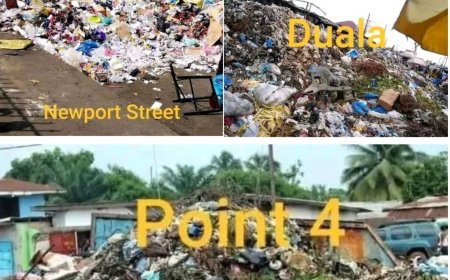
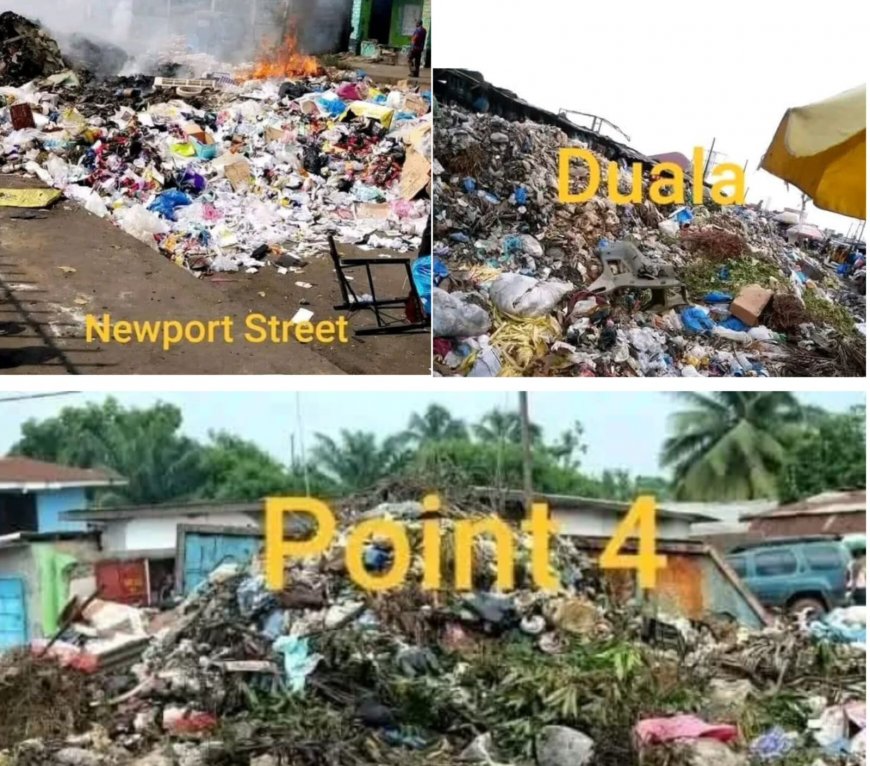
From Monrovia to Buchanan, Gbarnga to Harper, piles of uncollected waste have become an all-too-common sight in communities across the nation.
The situation reflects a deeper failure in waste management systems, which citizens continue to pressure relevant government institutions to take swift actions.
Major Streets, markets, residential areas, and public spaces are overwhelming by garbage the day, while open dumping and the burning of waste have become routine practices.
The smoke from burning trash pollutes the air, while the accumulation of waste creates breeding grounds for mosquitoes, flies, and rodents that spread disease.
The consequences are visible everywhere. Blocked drainage systems contribute to flooding during the rainy season. Communities are exposed to health hazards.
Businesses operate in unsanitary conditions, and visitors are greeted by scenes that undermine Liberia's efforts to attract investment and tourism.
This is not merely a sanitation issue; it is a development issue. No nation can achieve meaningful progress while struggling to manage its waste.
Clean streets, healthy communities, and a protected environment are essential foundations for economic growth and public well-being.
Government authorities at both national and local levels must treat waste management as an urgent priority. Greater investment in collection services, disposal facilities, recycling initiatives, and public awareness campaigns is needed.
At the same time, citizens must recognize their responsibility to dispose of waste properly and protect their communities from further degradation.
Liberia deserves better than streets lined with garbage and communities surrounded by waste. The growing crisis should serve as a wake-up call to policymakers, community leaders, businesses, and residents alike.
Failure to act today will only deepen the environmental and public health challenges of tomorrow.
The question is no longer whether Liberia has a garbage problem. The question is whether the nation has the will to confront it before the crisis grows beyond control.




























 Like
0
Like
0
 Dislike
0
Dislike
0
 Love
0
Love
0
 Funny
0
Funny
0
 Angry
0
Angry
0
 Sad
0
Sad
0
 Wow
0
Wow
0