
































LRA Introduces New Budget Planning Framework to Drive Performance, Accountability, and Digital Transformation

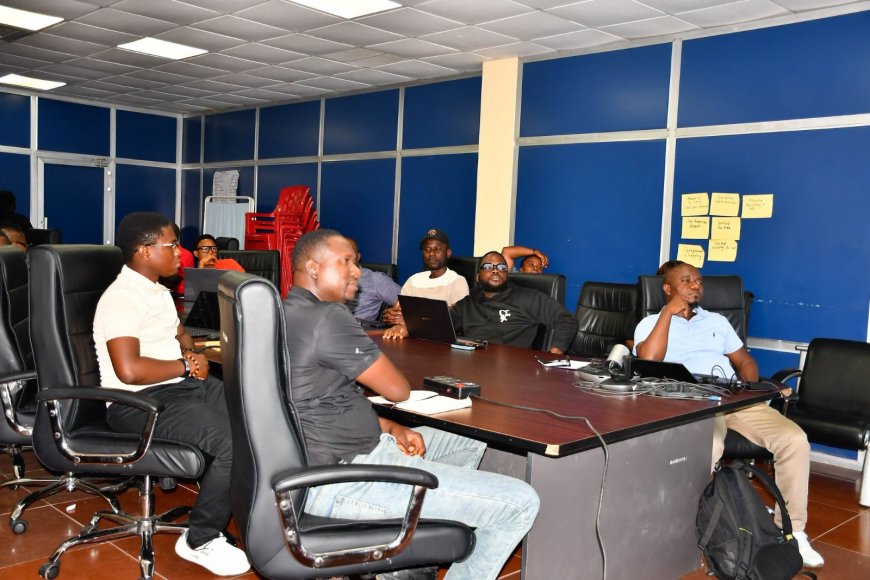
Monrovia, Liberia – The Liberia Revenue Authority (LRA) has launched a new expenditure budget planning framework for Fiscal Year (FY) 2027, marking a significant step in its efforts to strengthen institutional performance, improve financial accountability, and modernize internal planning processes.
The initiative, led by the Budget and Finance Division, establishes a unified approach to budget development across the Authority. For the first time, all departments will prepare their FY2027 budget submissions using a standardized planning template designed to improve coordination, promote consistency, and ensure resources are directed toward the LRA's highest strategic priorities.
The framework comes as the Authority continues to pursue reforms aimed at strengthening domestic revenue mobilization, enhancing taxpayer services, and accelerating digital transformation.
Unlike traditional budgeting methods that focus primarily on expenditures, the FY2027 process places greater emphasis on results and institutional impact. Through a program-based budgeting model centered on cost-center programs, departments will be required to clearly demonstrate how proposed activities contribute to the LRA's Corporate Strategic Plan, the Government of Liberia's ARREST Agenda for Inclusive Development (AAID), and recommendations from the Tax Administration Diagnostic Assessment Tool (TADAT).
TADAT is a globally recognized assessment framework used to measure the effectiveness of tax administration systems and identify opportunities for continuous improvement.
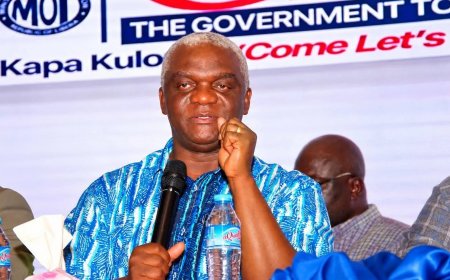
Launching the initiative over the weekend, Deputy Commissioner General for Administrative Affairs Samuel G. Bennett Jr. described the new framework as a critical tool for improving planning and ensuring that departmental priorities translate into measurable institutional outcomes.
"A successful budget begins with quality planning, active participation, and timely submissions. Every department has a responsibility to contribute to a budget process that supports the Authority's strategic priorities and strengthens institutional performance," Bennett said.
Assistant Commissioner for Budget and Finance, Ord-siejepo Jlateh, said the standardized framework represents a major improvement in how the Authority formulates its annual budget. According to him, the approach will strengthen coordination across departments, improve the quality of submissions, and support more informed decisions on resource allocation.
He emphasized that the new process will help create a budget that is not only more efficient and transparent, but also better aligned with the Authority's long-term goals.
Looking ahead, Budget and Finance Manager Terry B. Wesseh disclosed that the LRA is preparing to automate its budget formulation process as part of its broader modernization agenda. The planned digital platform is expected to streamline budget preparation, reduce manual processes, improve transparency, and provide managers with better data for planning and decision-making.
The introduction of the framework reflects the LRA's continued commitment to strengthening financial management systems, promoting sound corporate governance, and leveraging technology to improve operational effectiveness.
As preparations for FY2027 continue, the Authority believes the new approach will foster a stronger culture of planning, accountability, and performance while ensuring that resources are strategically deployed to support revenue administration and Liberia's broader development priorities.
What's Your Reaction?
 Like
0
Like
0
 Dislike
0
Dislike
0
 Love
0
Love
0
 Funny
0
Funny
0
 Angry
0
Angry
0
 Sad
0
Sad
0
 Wow
0
Wow
0