















Liberia Secures Major Tourism Breakthrough with Strategic Malta Mission, Unlocking Jobs, Skills, and Investment Pathways
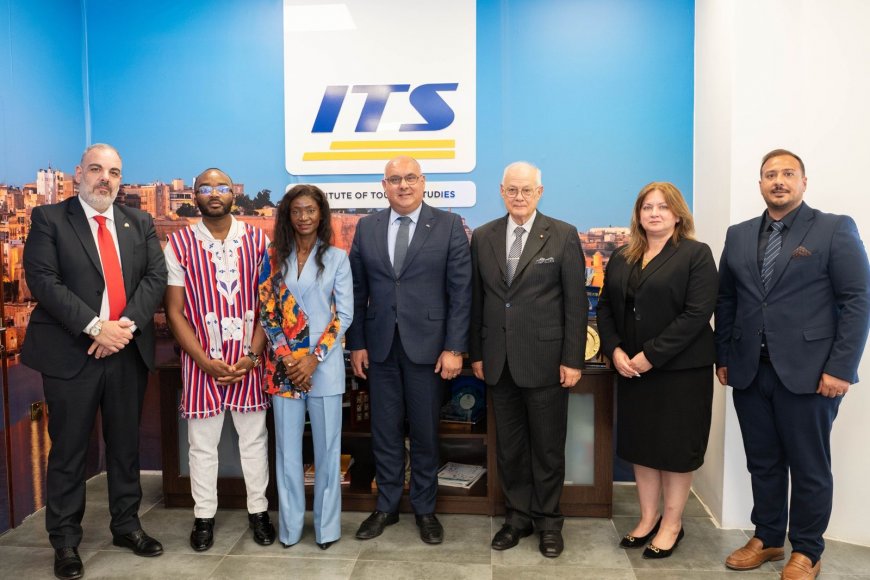
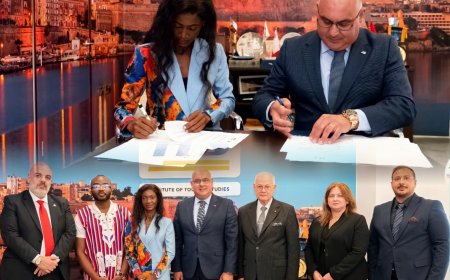
Monrovia, Liberia: Liberia has taken a significant step forward in its push to transform tourism into a strong pillar of economic growth, following a high-level four-day mission to Malta led by the Director General of the Liberia National Tourism Authority (LNTA), Hon. Princess Eva Cooper.
The visit, built around a series of strategic Memoranda of Understanding (MOUs), marks a clear transition from policy intentions to real execution. It delivers concrete outcomes across skills development, private sector expansion, institutional capacity building, and access to international markets.
Malta, a European Union country with a population of about 520,000, stands as one of Europe’s most successful tourism economies. The country attracts more than 4.5 million visitors annually and generates between €3 billion and €5 billion in revenue, accounting for nearly 20 percent of its GDP. Liberia’s engagement with Malta reflects a calculated move to adopt proven systems that convert tourism potential into employment and national income.
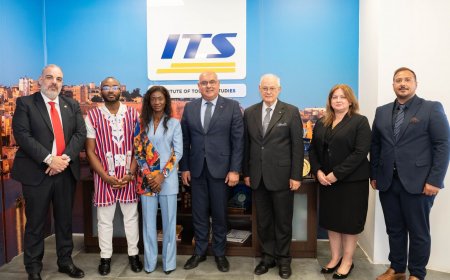
During the mission, Hon. Cooper held extensive high-level meetings with key figures across Malta’s tourism ecosystem. These included Mr. Carlo Micallef, CEO of the Malta Tourism Authority; Mr. Pierre Fenech, CEO of the Institute of Tourism Studies; Mr. Joseph Galea of the Malta Chamber of Commerce, Enterprise and Industry; Mr. Philip Fenech of the Malta Chamber of SMEs; and senior representatives from major hospitality groups, education institutions, and tourism enterprises. The breadth of engagement highlights a deliberate effort to connect Liberia with every critical segment of Malta’s tourism value chain.
Jobs and Skills Pipeline
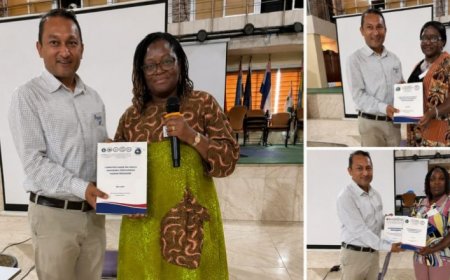
At the core of the mission is a landmark five-year partnership with the Institute of Tourism Studies (ITS) in Malta. The agreement creates structured pathways for Liberian youth to access international training, internships, and employment opportunities within Europe’s tourism industry.
Under this arrangement, Liberian students will participate in exchange programs, hands-on training, mentorship, and career placement initiatives within Malta’s hospitality sector. The framework goes beyond traditional academic cooperation by establishing a full pipeline that connects education directly to employment, blending classroom instruction with real industry exposure.
The partnership also includes support for curriculum development, faculty exchange programs, and the exploration of scholarship opportunities, all aimed at quickly addressing Liberia’s skills gap in tourism. In return, Malta is expected to deploy technical experts to Liberia to strengthen local training institutions, while discussions are ongoing about setting up a satellite tourism training center within the country.
Strengthening Institutions and Reforming the Sector
Beyond workforce development, LNTA’s collaboration with the Malta Tourism Authority (MTA) lays the groundwork for institutional strengthening and sector reform.
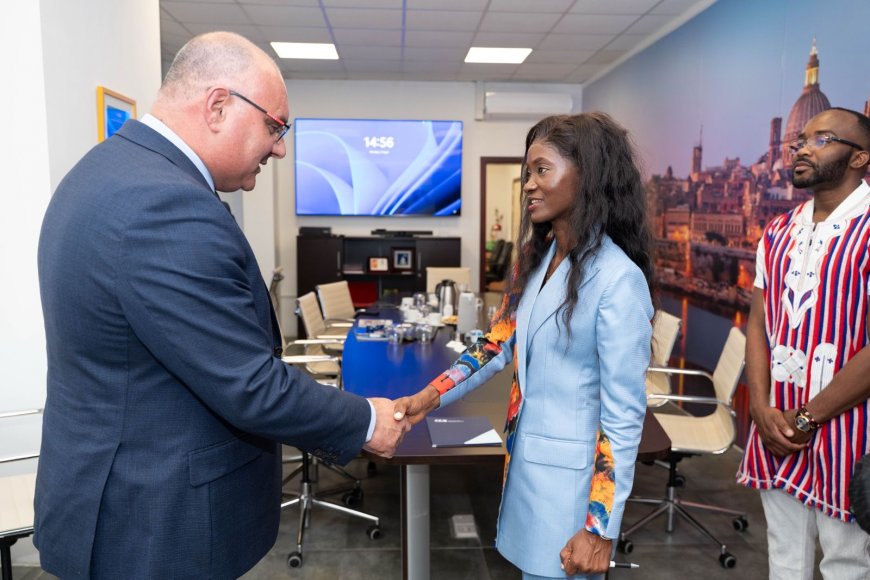
The partnership covers key areas such as tourism policy development, destination management, quality control, digital transformation, and sustainable tourism practices. It also introduces systems for joint marketing efforts, participation in global tourism platforms, and alignment with international standards in service delivery and certification.
This positions Liberia to shift from a largely informal tourism setup to a structured, regulated, and competitive industry capable of attracting both regional and global attention.
Private Sector Growth and Investment Links
Another major outcome of the mission is the expansion of private sector opportunities through agreements with the Malta Chamber of Commerce, Enterprise and Industry, as well as the Malta Chamber of SMEs.
These partnerships open direct channels for Liberian businesses, especially small and medium-sized enterprises, to access European markets, build strategic partnerships, and attract investment into tourism infrastructure and services.
The focus is on business-to-business collaboration, joint ventures, and enterprise development, with targeted support for tourism operators, creatives, and service providers. Capacity-building programs in areas such as marketing, digital transformation, and service quality are also part of the initiative, aimed at improving Liberia’s competitiveness on the global stage.
From Vision to Action
The outcomes of the Malta mission point to a clear shift in direction for Liberia’s tourism sector—moving away from symbolic engagements toward measurable, results-driven action.
For the first time, Liberia has secured a comprehensive international framework that simultaneously addresses workforce development, institutional reform, and private sector expansion. By linking education, investment, and policy cooperation, the initiative creates a full ecosystem designed to drive long-term transformation.
Reports from the mission indicate that the agreements are structured for implementation, backed by technical working groups, defined programs, and sustained engagement between all parties involved.
National Impact
The potential impact for Liberia is substantial. Enhanced skills and improved service standards are expected to elevate the visitor experience, while stronger private sector participation and increased global exposure are likely to drive investment and job creation.
At the national level, the initiative aligns with broader goals to diversify the economy, build human capital, and establish tourism as a reliable engine of growth.
As Liberia deepens its international partnerships, the Malta mission stands out as a defining moment—demonstrating how focused collaboration can move the sector from untapped potential to real performance, and from ambition to sustained economic contribution.
What's Your Reaction?
 Like
0
Like
0
 Dislike
0
Dislike
0
 Love
0
Love
0
 Funny
0
Funny
0
 Angry
0
Angry
0
 Sad
0
Sad
0
 Wow
0
Wow
0