
























JAPAN-UNFPA Commissions JFK Maternity Ward Worth $1.4M To Strengthens Service Delivery
The Government of Japan and UNFPA have completed a $1.4 million upgrade of the JFK Hospital maternity ward in Monrovia, expanding capacity, improving equipment, and training health workers to reduce maternal and newborn deaths in Liberia.

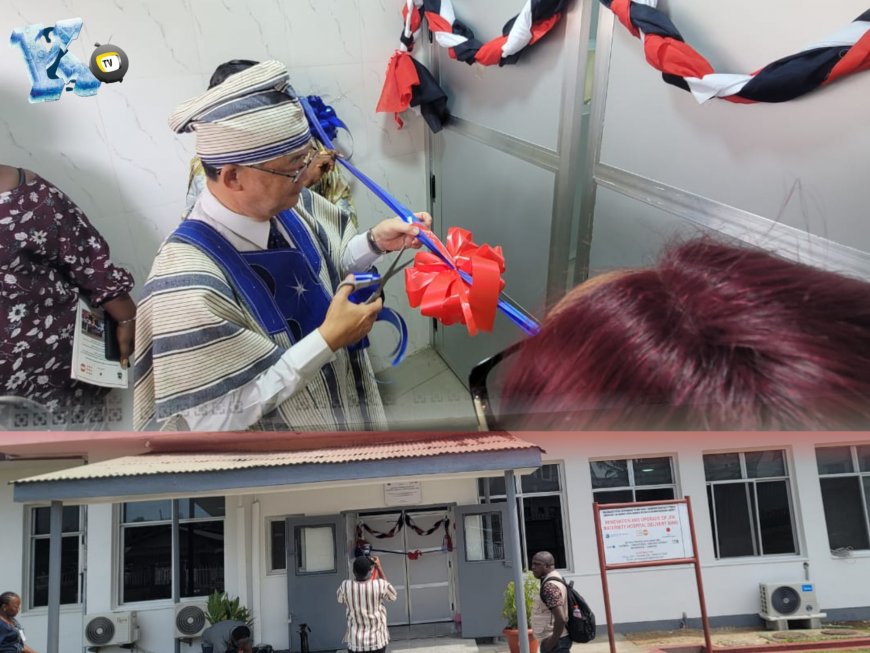
MONROVIA, LIBERIA — April 28, 2026: The Government of Japan and the United Nations Population Fund have upgraded the maternity ward at John F. Kennedy Medical Center through a $1.4 million intervention that delivered full refurbishment, expanded delivery capacity, essential medical equipment and supplies, and targeted training for health workers, while extending parallel renovation works to Careysburg and Barnesville health facilities as part of a broader strategy to strengthen maternal and newborn health services in Liberia.
The intervention, financed under Japan’s supplementary budget scheme, combines infrastructure rehabilitation with clinical capacity building in emergency obstetric and newborn care, reinforcing service delivery systems within one of the country’s busiest referral hospitals while improving working conditions for frontline healthcare providers.
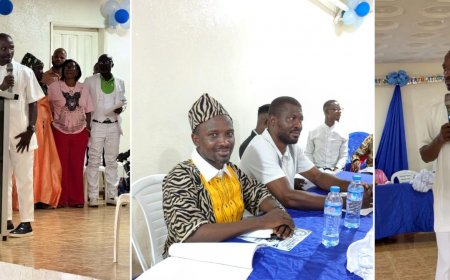
At the commissioning ceremony, United Nations Resident Coordinator Christine Umutoni stated, “It is a pleasure and a true honor to be here today at the John F. Kennedy Medical Center to officially hand over the newly refurbished maternity wing of the Liberia–Japan Friendship Hospital,” adding that “The Government of Japan continues to play a critical and positive role as a reliable development partner to Liberia.”
She highlighted that health is fundamental to development, especially the health of mothers and children, because this is where life and the future begin, while cautioning that although the physical transformation of the facility is significant, it must be matched by a strong and functional system to ensure its long-term effectiveness.
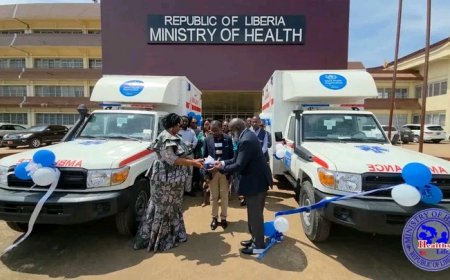
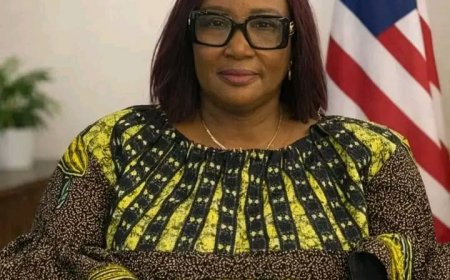
For her part, Minister of Health Louise Kpoto outlined sector improvements, noting that essential medicines are available in approximately 95 percent of health facilities and ultrasound services have expanded to about half of public institutions, alongside the planned deployment of 25 ambulances, while stressing, “Every day in our country women take the risk of giving life and far too often the journey becomes dangerous,” highlighting continued concerns over preventable maternal and neonatal deaths driven by systemic service delivery gaps.
The Minister further disclosed plans to establish a biomedical training school aimed at addressing equipment maintenance failures and technical workforce shortages, positioning the initiative as part of broader reforms to improve sustainability and reliability within Liberia’s healthcare infrastructure.
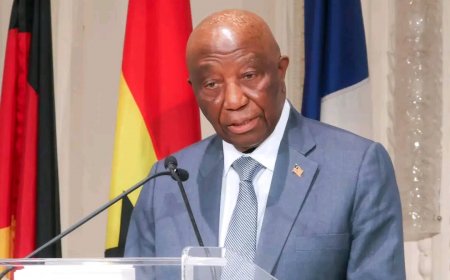
Also speaking, Japanese Ambassador Yoshimoto Hiroshi described the project as a human security investment, stating, “This is more than a handover. It reflects our shared commitment to protecting the lives of mothers and newborns, ensuring that every woman has access to safe and dignified maternal health care,” while confirming that 40 midwives and 43 healthcare workers were trained under the initiative, including instruction in emergency obstetric care and the 5S-Kaizen efficiency system to improve hospital operations and service delivery.
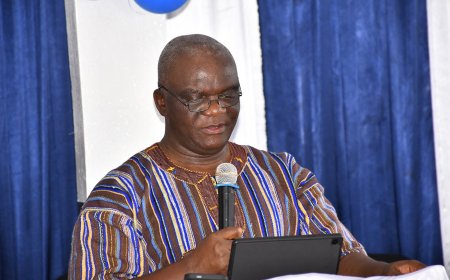
UNFPA Deputy Representative Leonard Kamugisha confirmed the financing structure, noting that Japan contributed approximately 223 million Japanese Yen, equivalent to about 1.4 million United States dollars, stating, “With these interventions, the capacity for emergency response has been enhanced,” as the upgraded facility now offers expanded delivery space, improved sanitation conditions, and strengthened clinical readiness.
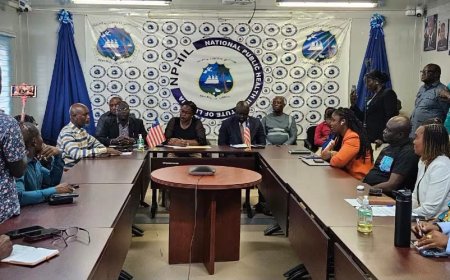
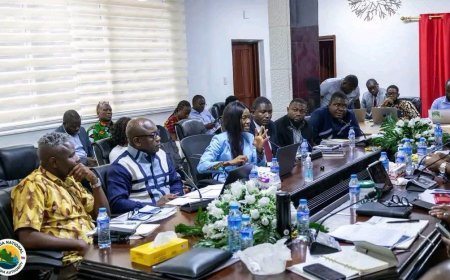
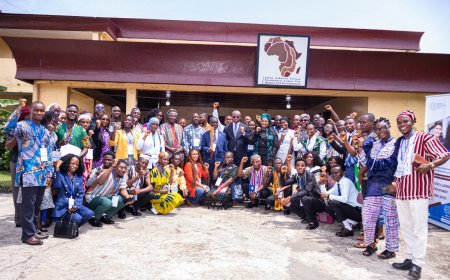
The commissioning event drew legislative attention as health sector stakeholders and development partners underscored the importance of sustaining recent gains in maternal healthcare through stronger oversight and consistent service delivery standards.
Chairperson of the Senate Committee on Health, Senator Dabah Varpilah, described the upgraded facility as a tangible expression of national commitment to maternal and newborn health, emphasizing that the improvement reflects both progress in infrastructure development and renewed attention to service delivery standards within Liberia’s health system.
What's Your Reaction?
 Like
0
Like
0
 Dislike
0
Dislike
0
 Love
0
Love
0
 Funny
0
Funny
0
 Angry
0
Angry
0
 Sad
0
Sad
0
 Wow
0
Wow
0