







UNICEF Warns that Cholera Cases Could Increase by 10% in Liberia by 2100 as the Climate Crisis Intensifies

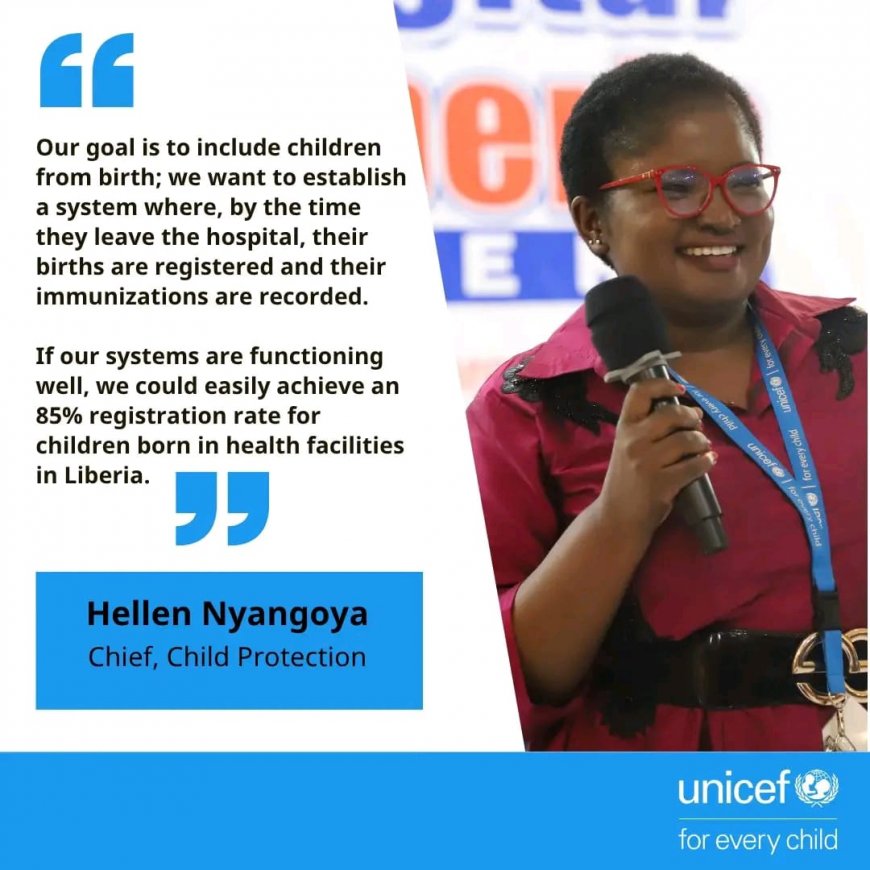
MONROVIA, LIBERIA: The United Nations Children’s Fund (UNICEF) has warned that cases of cholera in Liberia could increase by at least 10 percent by the year 2100 if urgent climate and public health actions are not taken.
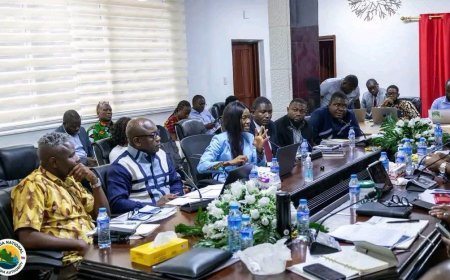
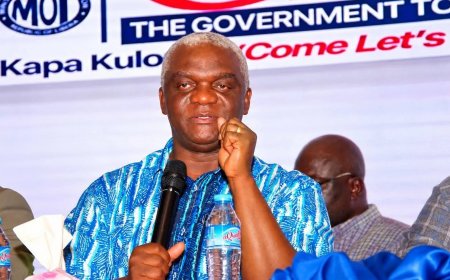
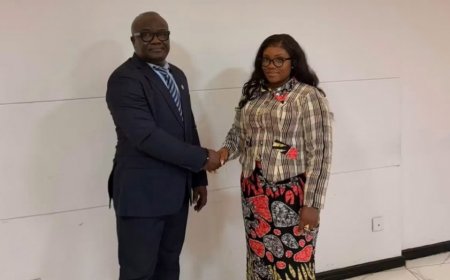
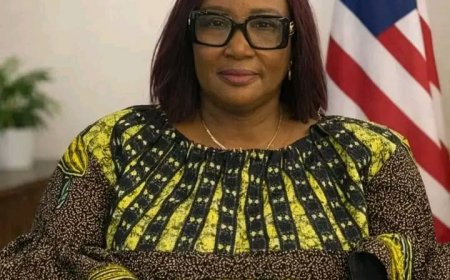
During the 2025 National People’s Summit on Climate Justice, held at the Ministerial Complex on Monday, December 15, 2025, UNICEF's Chief of Child Protection, Hellen Nyangoya, emphasized that climate change is intensifying health risks for children. She highlighted that waterborne diseases, such as cholera, represent a significant threat for the future.
Madam Nyangoya explained that rising temperatures, intense rainfall, flooding, and inadequate sanitation systems are creating favorable conditions for the spread of cholera and other infectious diseases.
The UN envoy warned that children living in flood-prone and low-income communities will be the most affected as climate shocks continue to disrupt access to clean water, sanitation, healthcare, and education.
Citing findings from Liberia’s Climate Landscape Analysis for Children (CLAC), she noted that at least 10 percent of the population—particularly children—already face increased exposure to climate-related health risks, including respiratory illnesses and vector-borne diseases. She stated that climate change has developed into a full-scale crisis concerning children's rights, threatening their survival and development.
The UNICEF diplomat also acknowledged Liberia’s recent advancements in climate leadership, such as the development of climate evidence tools, the Climate Rationale for WASH, and the signing of the Declaration on Children, Youth, and Climate Action.
However, Madam Nyangoya emphasized that these commitments must lead to tangible actions to protect children from the worsening impacts of climate change.
She urged the Government of Liberia and development partners to invest in climate-resilient water and sanitation systems, strengthen disaster risk reduction, ensure child-sensitive climate financing, and fully implement the United Nations Committee on the Rights of the Child’s General Comment No. 26, which outlines how environmental harm affects children's rights.
Madam Nyangoya concluded her statement by calling for collective action to build a climate-resilient Liberia where every child has access to clean water, safe sanitation, quality education, and a healthy environment in which to grow and thrive.
What's Your Reaction?
 Like
0
Like
0
 Dislike
0
Dislike
0
 Love
0
Love
0
 Funny
0
Funny
0
 Angry
0
Angry
0
 Sad
0
Sad
0
 Wow
0
Wow
0