















Minister Jallah Places 225 Nimba Volunteer Teachers on Payroll
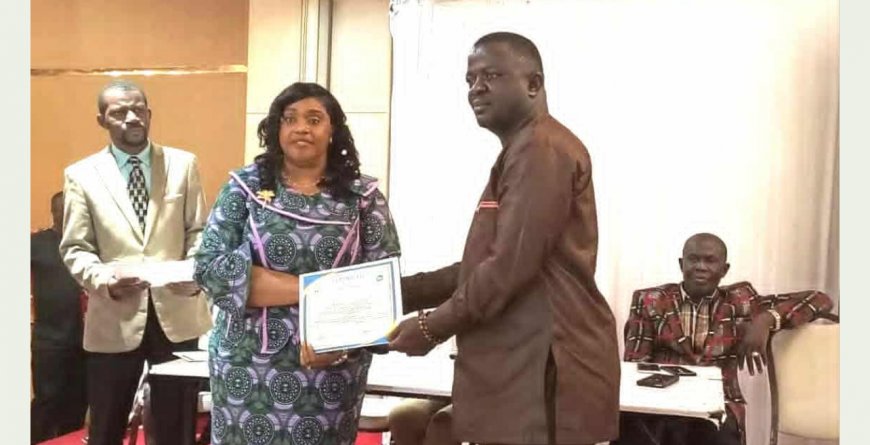
SANNIQUILLIE, Nimba County: The Government of Liberia has officially transitioned more than 225 volunteer teachers in Nimba County onto the national payroll, ending years of unpaid service for many and strengthening the county’s teaching workforce.
For years, these teachers have kept classrooms functioning often relying solely on passion and community support. Now, with their inclusion on the Ministry of Education’s payroll, they will begin receiving monthly salaries, a shift local officials say will improve teacher retention, enhance learning outcomes, and bring stability to schools across the county.
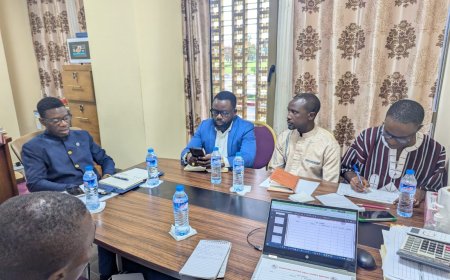
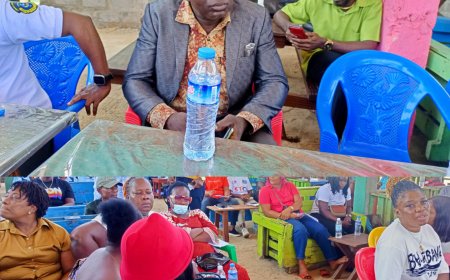
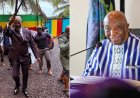
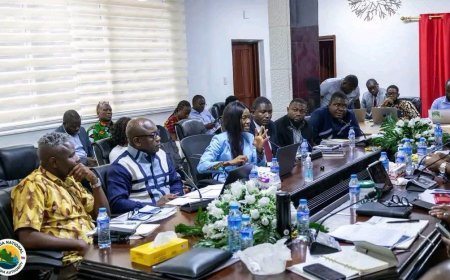
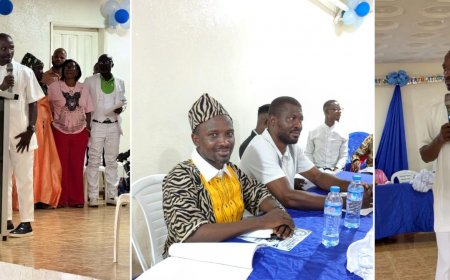
Speaking at the induction ceremony in Sanniquillie, Nimba County Education Officer Francis G. Leagay representing Education Minister Dr. Jarso Marley praised the move as a milestone for both the Ministry and the Nimba County School System.
“This is a significant moment for our teachers and a strong demonstration of government’s commitment to strengthening education nationwide,” Leagay said. “These men and women have served faithfully, and today marks a new chapter of motivation and recognition.”
Leagay noted that the decision is part of broader reforms aimed at closing long-standing workforce gaps in the county’s education system. He revealed that the newly added teachers will be deployed or reassigned to schools where their services are most needed in the coming weeks.
Despite the progress, he acknowledged that many volunteers are still active in classrooms across Nimba. He assured school authorities and community leaders that the Ministry remains engaged and will continue advocating for the remaining volunteers to be regularized.
Leagay also urged residents, local leaders, and community stakeholders to maintain unity and avoid politicizing the education sector. “Education is a shared responsibility. Let us keep working together to meet the needs of our students and support the teachers who shape their future,” he emphasized.
The Ministry’s latest action is widely viewed as a meaningful stride toward professionalizing Liberia’s teaching workforce, especially in rural regions where volunteer educators continue to fill critical gaps in the system.
What's Your Reaction?
 Like
0
Like
0
 Dislike
0
Dislike
0
 Love
0
Love
0
 Funny
0
Funny
0
 Angry
0
Angry
0
 Sad
0
Sad
0
 Wow
0
Wow
0