













Legal Advocate Calls for Capitol Arson Trial to Be Moved to Ensure Fair Hearing
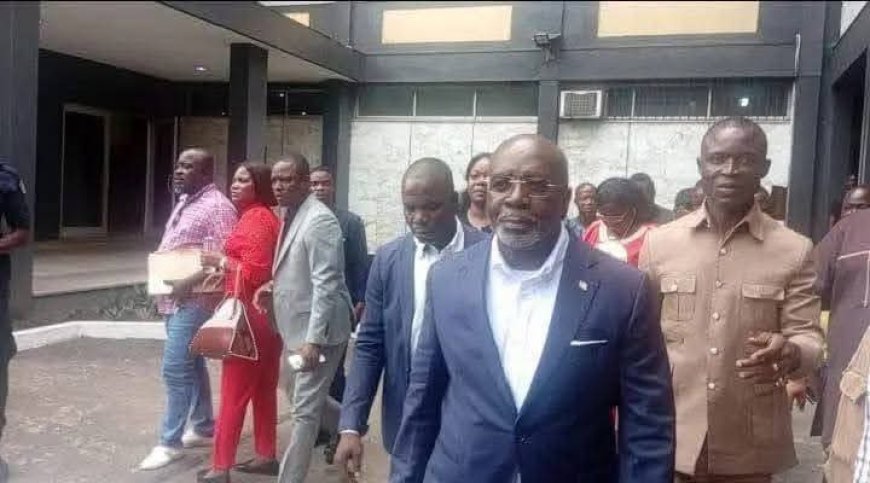
Monrovia, Liberia: A Liberian legal advocate is urging the court to grant the Government of Liberia’s request to move the Capitol Building arson case to another county, saying the change is necessary to guarantee a fair and impartial trial.
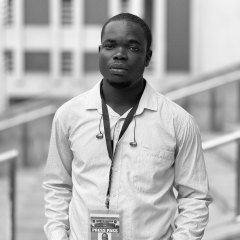
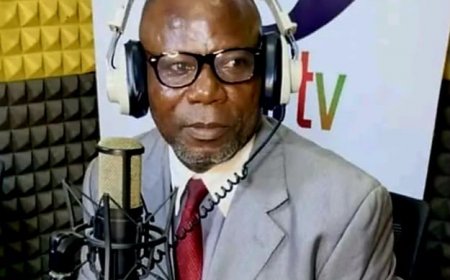
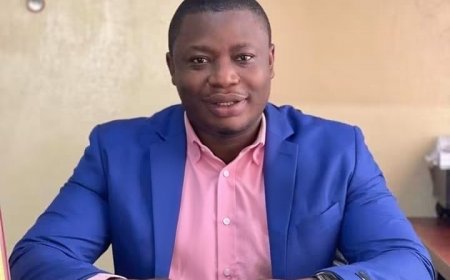
James Stuffield, a legal justice actor who previously worked with the Access to Justice Program supported by the Carter Center in Grand Bassa County, believes the case has received so much public attention in Montserrado that it may be difficult to select jurors who have not already formed opinions about it.
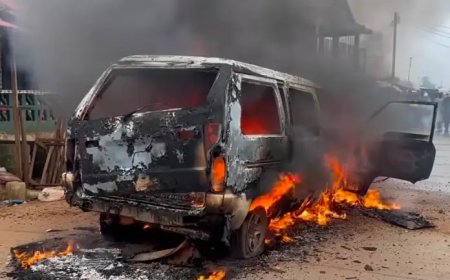
According to him, the December 2024 fire that damaged parts of Liberia’s Capitol Building shocked the nation and sparked intense public debate. Because of the seriousness of the incident and the strong public interest surrounding it, Stuffield says the court must ensure the trial is protected from outside pressure.
“In a case like this, the court must make sure the decision is based only on the evidence presented in court and not on public opinion,” he said.
The Government of Liberia has already filed a motion asking the court to move the trial from Montserrado County to another nearby county. Prosecutors argue that the heavy media coverage and ongoing public discussions about the case may make it difficult to select an impartial jury.
Stuffield also pointed to a previous ruling by Criminal Court “A,” presided over by Resident Circuit Judge Roosevelt Z. Willie, in which a man was fined for trying to improperly communicate with the Judiciary’s Jury Manager, Cllr. Andrew Nimley. The court ruled that such actions amount to interference with the judicial process.
He says that ruling shows the court takes the integrity of the jury system seriously and should apply the same principle in the Capitol arson case.
Another concern raised is that the defendants have reportedly given several media interviews while the case is still before the court. According to prosecutors, these interviews have helped fuel public discussion about the case, which could influence potential jurors.
“When people talk too much about a case in the media while it is still in court, it can affect how the public views the case,” Stuffield explained. “Jurors may already have opinions before hearing the actual evidence.”
He also noted that the case has already experienced challenges, including the earlier disbandment of jurors during the proceedings, which raised concerns about the fairness of the process.
Under Liberian law, a court can move a case to another county if it believes an impartial jury cannot be selected in the county where the case was first filed. Stuffield believes transferring the case to another location with less public attention could help the court select jurors who have not been heavily influenced by public discussions.
He added that moving the trial would also help protect the credibility of the judiciary, especially since the case involves serious charges such as arson, attempted murder, and criminal conspiracy against individuals who are politically prominent.
The Capitol Building, which houses Liberia’s Legislature, is one of the country’s most important national institutions. Stuffield says the public expects the case to be handled in a fair and transparent way.
According to him, granting the government’s request would not harm the rights of the defendants. Instead, it would help ensure that any verdict reached in the case is based strictly on the facts presented in court.
“This case is very important for the country,” he said. “Moving the trial could help guarantee that justice is done in a fair and credible way.”
What's Your Reaction?
 Like
0
Like
0
 Dislike
0
Dislike
0
 Love
0
Love
0
 Funny
0
Funny
0
 Angry
0
Angry
0
 Sad
0
Sad
0
 Wow
0
Wow
0