








“I’m Still District 10 Lawmaker” Expelled Rep. Yekeh Kolubah Storms Capitol, Demands Diplomatic Passport in Defiant Return

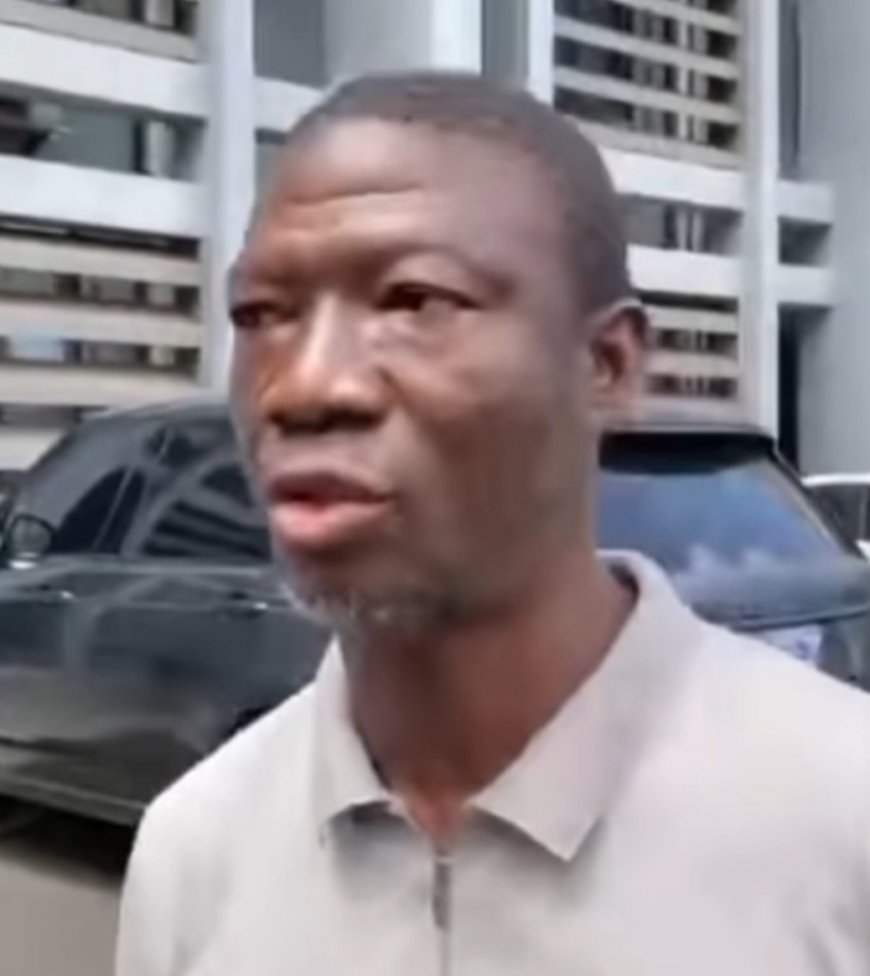
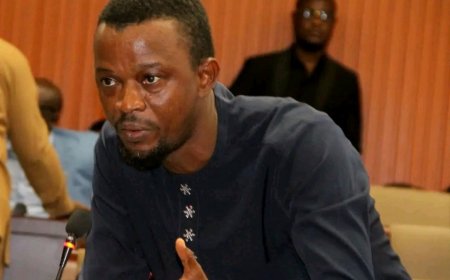
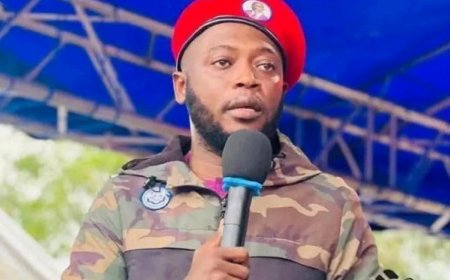
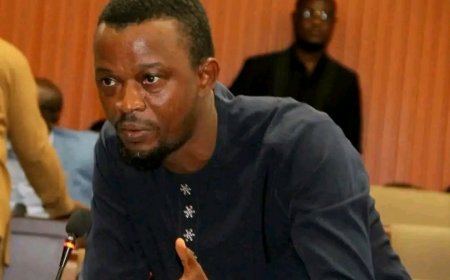
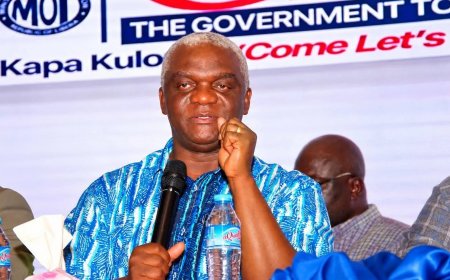
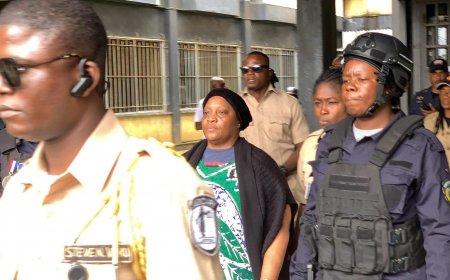
Capitol Hill, Monrovia, Liberia:Political tensions flared at the Liberian Capitol on Tuesday, May 12, as former Yekeh Kolubah made his first dramatic appearance at the seat of government since his controversial impeachment by a two-thirds majority of the House of Representatives, declaring before reporters that he still considers himself the legitimate lawmaker of Montserrado County District #10.
Kolubah, whose removal followed explosive remarks about the long-disputed Liberia-Guinea border in the Makona River area of Sorlumba, Foya District, Lofa County, arrived at the Capitol with confidence, sending a fresh wave of political controversy through the legislative corridors. His previous claim that portions of land along the Makona River belong to neighboring Guinea had triggered fierce backlash from lawmakers and nationalists alike.
Walking through the Capitol grounds under the watch of security personnel and curious onlookers, Kolubah showed no signs of political retreat, instead signaling that he remains prepared to challenge the House’s decision through legal and constitutional means.
Speaking openly to journalists, Kolubah said, “I came to do a communication on my letterhead, and I’m going to do that communication asking them that I need to renew my diplomatic passport. I need to travel on Monday.”
In what many observers are already describing as an open challenge to the authority of the House, the outspoken politician insisted he has not accepted his expulsion and continues to act in the capacity of an elected representative.
“I’m not going to fight them. I’m doing the letter as Montserrado County District 10 Representative. If they deny it, it’s up to them. We are not up to fighting—we have places to go and get redress, and that’s what we will do,” Kolubah declared.
He went further, questioning the legality of the House’s action and suggesting procedural inconsistencies surrounding his removal. “If I was expelled, then by this time the House should have announced a vacancy,” he argued, a statement likely to ignite fresh constitutional debate over the legitimacy and enforcement of legislative expulsions.
Kolubah’s return instantly drew mixed reactions from staffers, lawmakers, and visitors at the Capitol, with some describing his appearance as bold political resistance, while others labeled it an act of defiance aimed at embarrassing the legislative leadership.
As Liberia’s political establishment watches closely, Kolubah’s latest move appears set to open a new chapter in one of the country’s most controversial legislative battles one that may ultimately shift from the halls of the Capitol to the nation’s courts, with implications for parliamentary authority, constitutional interpretation, and the future of political accountability.
What's Your Reaction?
 Like
0
Like
0
 Dislike
0
Dislike
0
 Love
1
Love
1
 Funny
1
Funny
1
 Angry
0
Angry
0
 Sad
0
Sad
0
 Wow
0
Wow
0