




















Encourage Africa Calls For Stronger Collaboration To Improve Mental Health Services In Liberia

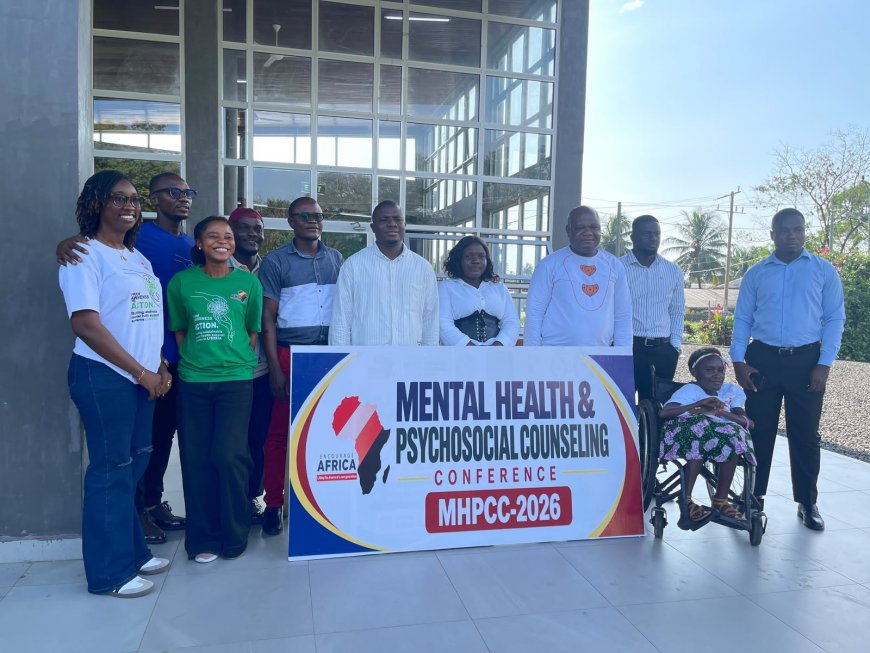
The Encourage Africa Counseling and Career Foundation is calling for stronger collaboration among government institutions, universities, civil society organizations and other stakeholders to expand access to mental health and psychosocial support services in Liberia.
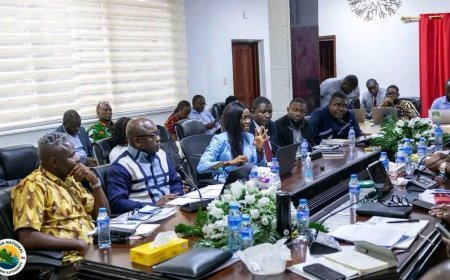
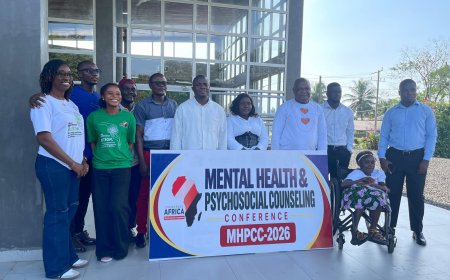
The call was made at the foundation’s 2026 Mental Health and Psychosocial Counseling Conference, held under the theme, “From Awareness to Action: Building Sustainable Mental Health Support Systems in Liberia.”
The theme highlights the need to move beyond public awareness and translate discussions about mental health into practical interventions, including accessible counseling services, early identification of mental health conditions and stronger support systems in communities, schools and health facilities.
Welcoming participants, the foundation’s founder, Counselor Nelson Teah Toe, said addressing mental health challenges requires collective responsibility from institutions and individuals.
“Mental health is everybody’s business,” Counselor Toe said, calling for collaboration among government, universities, civil society organizations, NGOs and other stakeholders.
Delivering the keynote address, Chairperson of the National Civil Society Council of Liberia, Cllr. Lawrence Yealue, urged stakeholders to turn the conference theme into concrete action by making mental health services part of the country’s primary healthcare system.
He called for psychosocial counselors to be made available at health facilities so people can identify mental health conditions early and receive appropriate care.
Referring to Zimbabwe’s Friendship Bench initiative, which connects people with psychosocial counselors within health facilities and communities, Yealue said Liberia could adopt a similar approach.
“I hope that we can introduce Friendship Bench here, and the same way we get malaria treatment around, we can get psychosocial counselors in every health-related center,” he said.
He explained that the approach allows counselors to interact with people while they wait for other health services, helping to identify mental health concerns and connect them to early treatment.
Yealue also called for peer counseling networks in schools, saying mental health education and guidance should be integrated into existing school clubs.
“We need to have an integrated issue of primary mental health care. Peer counseling networks should be in clubs in schools,” he said.
He further encouraged churches and community youth groups to include psychosocial counseling in their activities, arguing that support should extend beyond hospitals and professional treatment centers.
The civil society leader warned that stigma remains a major barrier to people seeking help, particularly when individuals experiencing mental health challenges are mocked, given derogatory names or isolated.
“Stop mocking people that you see everywhere,” he urged, calling on communities to show empathy toward people experiencing psychological difficulties.
Yealue also raised concern about the practice of restraining people with mental health conditions and treating their conditions only as spiritual problems.
“We need to decriminalize mental health,” he said, calling for people to receive appropriate care rather than being locked away or denied professional treatment.
He further emphasized the need to develop a sustainable system of mental health professionals and support structures in Liberia.
“We need to build a sustainable support system ... for this country,” he said.
The conference overview highlighted several challenges affecting mental health service delivery in Liberia, including limited resources, shortages of trained professionals, stigma and inadequate access to care.
It also identified the effects of the country's civil conflict, the Ebola outbreak, poverty, unemployment, gender-based violence, substance use and family-related difficulties as factors that can affect people's psychological well-being.
The presentation referenced a 2008 population-based study published in the Journal of the American Medical Association, which surveyed 1,666 Liberian adults. The study reported that 40 percent met the criteria for major depressive disorder and 44 percent for post-traumatic stress disorder. The presenter cautioned that the findings are from 2008 and should not be interpreted as current national prevalence figures.
Participants at the conference discussed early identification of mental health conditions, trauma-informed care, suicide prevention, substance use, stigma reduction and referral pathways between formal health services and community support.
The discussions reinforced the conference's call for coordinated action among government institutions, health professionals, educational institutions, civil society organizations and communities to build mental health support systems that are accessible and sustainable.
The Encourage Africa Counseling and Career Foundation, established on May 31, 2020, works in counseling, education, psychosocial support, career development and recreation.
What's Your Reaction?
 Like
0
 Dislike
0
 Love
0
 Funny
0
 Angry
0
 Sad
0
 Wow
0