

From Marshall to the UN Security Council, Liberia Pushes to Protect Seafarers
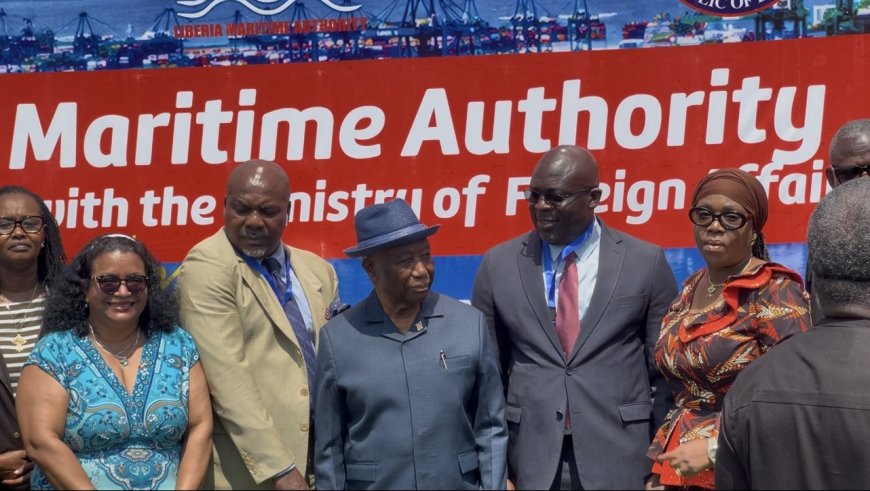
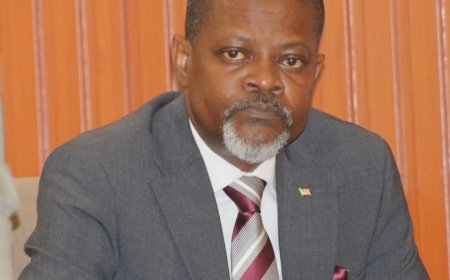
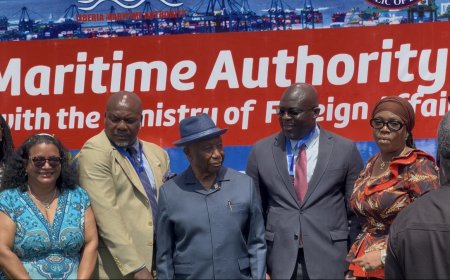
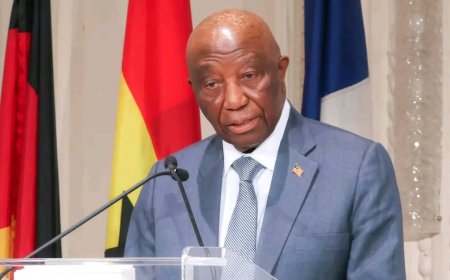
MARSHALL, Margibi County: Liberia Maritime Authority Commissioner Cllr. Neto Zarzar Lighe has called for stronger international cooperation to protect seafarers from armed conflict, piracy and other dangers at sea. He made the call on Thursday, November 19, 2026, at the Marshall High-Level Dialogue on Global Maritime Safety, Security and Welfare of Seafarers.
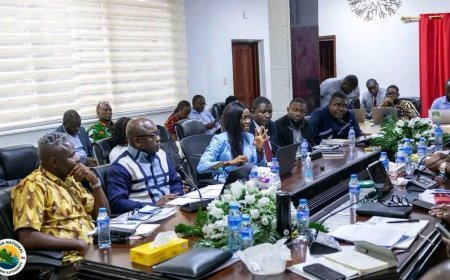
The dialogue, held at the Liberia Maritime Training Institute in Marshall City, brought together government officials, international partners, maritime professionals and cadets. It also marked the first celebration of Liberian Maritime Week. The event was held under the theme “Enhancing Global Maritime Security and the Welfare of Seafarers for International Peace and Shared Prosperity in a Period of Heightened Insecurity.”
Maritime Commissioner Raises Concern Over Attacks on Seafarers
Welcoming participants on behalf of the Liberia Maritime Authority and the Liberia Maritime Training Institute, Lighe thanked the Ministry of Foreign Affairs for helping organize the event. He said the dialogue was part of Liberia’s preparations to take up the rotating presidency of the United Nations Security Council.
Lighe said Liberia relies on shipping to bring in basic goods such as fuel and rice. He reminded participants that seafarers do the work that keeps those supplies moving, often at great risk to their own lives.
The commissioner pointed to the Black Sea, the Red Sea, the Strait of Hormuz and the Gulf of Guinea as areas where dangers such as armed conflict, piracy, cyberattacks and drug smuggling put seafarers at risk.
Citing reports from the Liberia Maritime Authority and the International Maritime Organization, Lighe said there had been about 100 attacks or attempted attacks on commercial vessels, resulting in the deaths of at least 25 seafarers. He also cited United Nations estimates that about 6,000 seafarers were stranded in conflict areas.
“Beyond every number is a human being,” Lighe said.
He spoke of families waiting for loved ones to come home, children growing up while their fathers are away at sea, and young officers carrying out their duties under the threat of attack. He said seafarers had no part in starting the conflicts that put them in danger and called on countries and maritime institutions to work together to protect them.
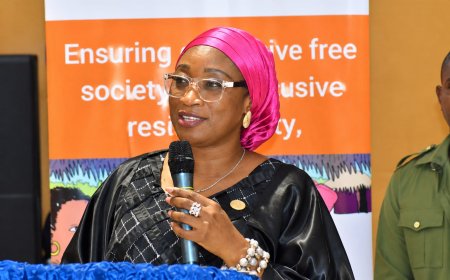
Delivering the keynote address, Foreign Minister Sara Beysolow Nyanti said maritime security matters to Liberia and to the global economy. She noted that about 80 percent of global trade by volume moves by sea, including food, fuel, medicine and other essential goods.
Nyanti said attacks on commercial ships and disruptions along major shipping routes can drive up prices for families far from the coast. She also warned that piracy, armed robbery at sea and illegal, unreported and unregulated fishing threaten government revenue, local markets and food supplies.
The minister said nearly two million seafarers help keep global trade moving. In the course of their work, she said, they can face kidnapping, attacks and abandonment.
Recalling a journey by ship between Aden and Djibouti, Nyanti said passengers were briefed on what to do if Somali pirates attacked. The briefing included information about secure rooms aboard the ship, known as citadels, where people could take shelter during an attack.
Nyanti said Liberia and India had launched a “Group of Friends” initiative in New York to bring countries together for talks on maritime security and shipping safety. She also announced that Liberia plans to hold a high-level UN Security Council debate on maritime security on December 3, 2026, with President Joseph Nyuma Boakai set to chair it.
She said Liberia would use its position on the Council to raise concerns from coastal countries and countries whose flags ships sail under. She added that Liberia would work with the International Maritime Organization and regional partners to improve security at sea.
UN Resident Coordinator in Liberia Christiane N. Umutoni said countries without coastlines also rely on safe seas for trade, communications, energy and food.
“We are all maritime nations, whether we have a coastline or not, because we all depend on the sea,” Umutoni said.
She noted that oceans carry global trade and also hold critical infrastructure such as undersea communications cables and gas pipelines. She said piracy, human and drug trafficking, illegal fishing, cyber threats and environmental crimes can affect people far beyond coastal communities. Attacks along shipping routes can disrupt deliveries of medicine and fuel, while damage to undersea cables can interrupt internet service.
Umutoni reaffirmed the UN’s support for Liberia in maritime governance, regional cooperation, security, peacebuilding, development and environmental protection. She named the International Maritime Organization, the UN Office on Drugs and Crime and the UN Development Programme among the partners helping to address those challenges.
She also told cadets at the Liberia Maritime Training Institute that their future duties would extend beyond operating ships. As maritime professionals, she said, they would help protect the system that keeps goods and services moving around the world.
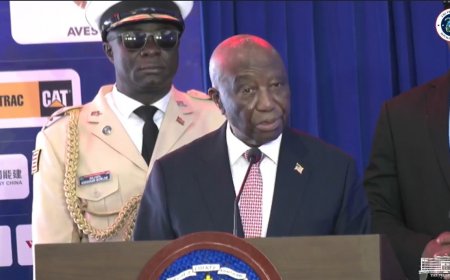
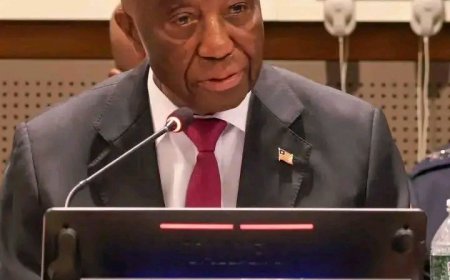
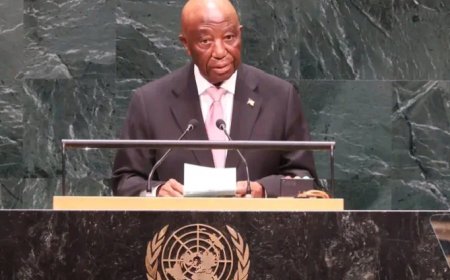
President Joseph Nyuma Boakai said Liberia would use its upcoming presidency of the UN Security Council to draw attention to the dangers civilian seafarers face in armed conflicts and to push for stronger international protection. Liberia is due to take up the rotating presidency in December 2026, returning to the Council’s leadership for the first time in more than six decades.
Boakai said the planned open debate would give Liberia a chance to bring the safety of seafarers into wider discussions on international peace and security. He said cooks, engineers, deck officers and captains are civilians entitled to protection under international humanitarian law.
“They sign on to deliver cargo, not to go to war,” President Boakai said.
He warned that armed conflict, piracy, drug trafficking, illegal fishing, cyberattacks and other crimes threaten both shipping and the lives of people working at sea. He said safe waters are important to Liberia’s economy and national security.
Boakai also said Liberia has the world’s largest ship registry by tonnage, with more than 300 million gross tons registered under its flag. He said the registry brings commercial benefits and gives Liberia a responsibility to look after the people working aboard those ships.
He called for countries to work together to arrange medical evacuations, allow crews to rotate safely and help seafarers stranded in conflict areas return home.
At home, Boakai called for a stronger Coast Guard, fisheries authority, maritime institutions and justice system so Liberia can respond to threats and prosecute crimes in its waters. He said securing the Gulf of Guinea requires cooperation across borders and reaffirmed Liberia’s commitment to working with neighboring countries, ECOWAS and international partners under the Yaoundé Code of Conduct.
Before declaring the dialogue officially open, Boakai urged the cadets to take their training seriously and pledged that Liberia would continue to speak up for the safety and welfare of seafarers around the world.
What's Your Reaction?
 Like
0
 Dislike
0
 Love
0
 Funny
0
 Angry
0
 Sad
0
 Wow
0