






CDC's Alvin Wesseh: “Why Have Former Cartel Destroyers Stopped Posting? Did Money Silence Them?”

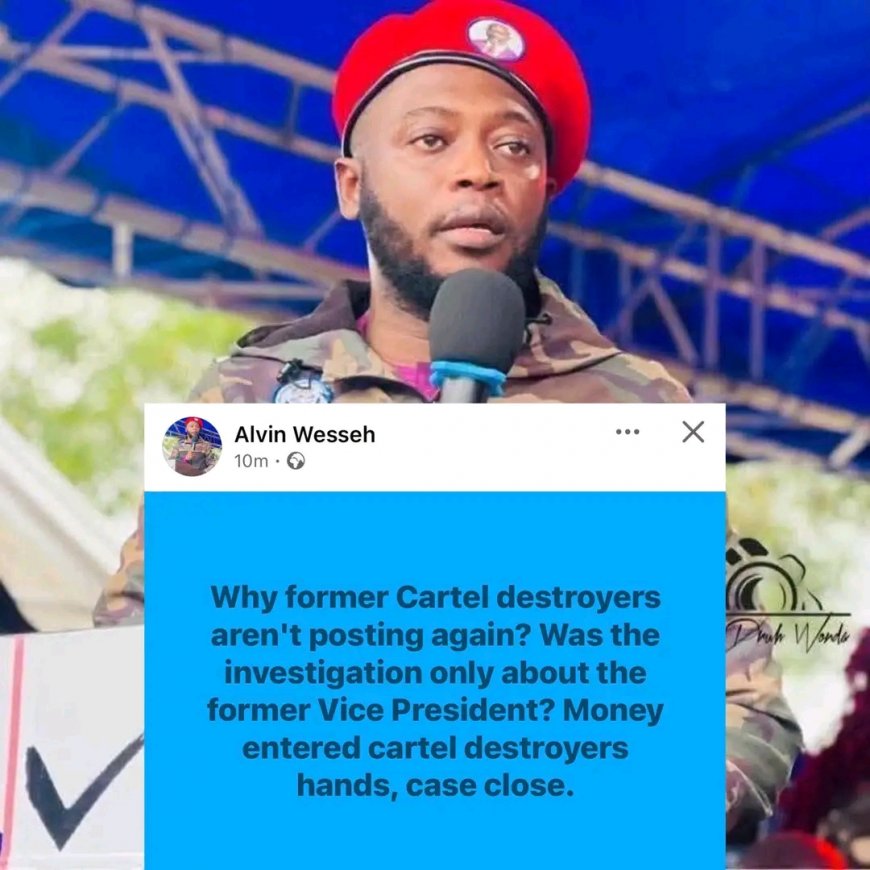
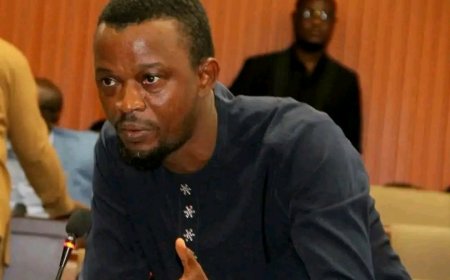
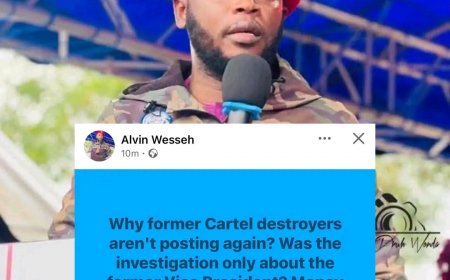
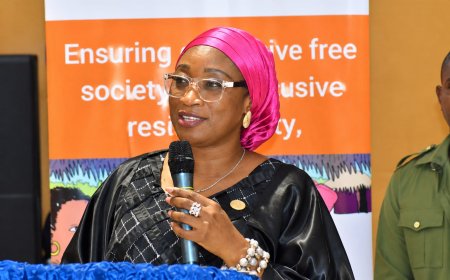
Monrovia, Liberia:A senior opposition figure of the Coalition for Democratic Change (CDC), Alvin C. Wesseh, has questioned the sudden silence of individuals he described as Cartel Destroyers, raising concerns over the transparency and possible selective handling of Liberia’s high-profile drug trafficking investigation.
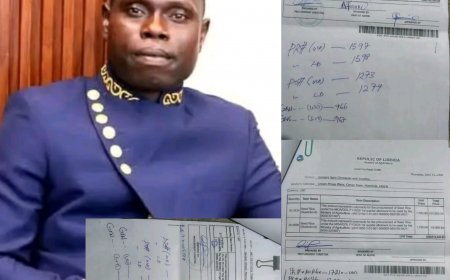
Wesseh, in a strongly worded social media post, questioned why individuals who previously made public allegations and disclosures about alleged cartel activities have seemingly stopped speaking, particularly as the investigation involving former Vice President Jewel Howard-Taylor continues to attract national attention.
“Why former Cartel Destroyers aren't posting again? Was the investigation only about the former Vice President? Money entered cartel destroyers hands, case close,” Wesseh wrote.
His comments come amid an ongoing national debate over the government's handling of the cocaine trafficking investigation, which has placed several prominent individuals under scrutiny and intensified political disagreements between the ruling Unity Party and the opposition CDC.
The CDC figure's remarks appear to revive questions about whether the investigation is addressing the alleged wider network, including individuals accused of facilitating drug trafficking, financing operations and influencing public narratives, rather than concentrating public attention on the former vice president alone.
The government has previously maintained that its objective is to dismantle the entire criminal infrastructure, including its financiers, facilitators, transporters and alleged institutional protectors.
The controversy surrounding alleged financial influence over public discourse is not entirely new. On July 30, 2026, Police Inspector General Gregory Coleman disclosed that investigators had established that alleged drug trafficking organizations infused money into certain media platforms to influence public narratives, distract investigators and create divisions.
Coleman's disclosure triggered strong reactions from the Press Union of Liberia, which demanded that the government identify the alleged media actors and provide evidence to substantiate the accusation. The Union warned that sweeping allegations without supporting evidence could undermine public confidence in the media and threaten the integrity of journalism.
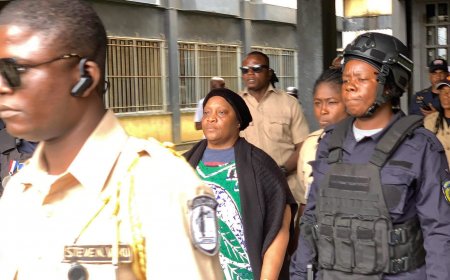
Meanwhile, the investigation has expanded beyond Howard-Taylor, with a grand jury indictment reportedly naming 20 defendants, including former National Security Agency Deputy Director Gerald Folley Smith and other individuals accused of participating in the alleged trafficking network. Several defendants have been arrested and brought before the courts.
The government has accused Howard-Taylor and other defendants of various offenses, including illicit drug trafficking, criminal conspiracy, facilitation and money laundering. However, these remain allegations to be established in court, and all defendants are entitled to the presumption of innocence until proven guilty.
Wesseh's latest comments therefore raise a broader question about the consistency and credibility of the country's anti-drug campaign: whether all individuals and institutions allegedly connected to the network are receiving equal investigative attention, and whether the public will eventually receive answers about the wider financial and political connections surrounding the scandal.
Wesseh's allegation that money entered the hands of the so-called Cartel Destroyers has not been independently substantiated in the material reviewed. It should therefore remain attributed to him rather than presented as an established fact.
What's Your Reaction?
 Like
1
 Dislike
0
 Love
0
 Funny
1
 Angry
0
 Sad
0
 Wow
0