














Liberia Goes After US$10 Million Allegedly Stolen and Stashed in British Bank
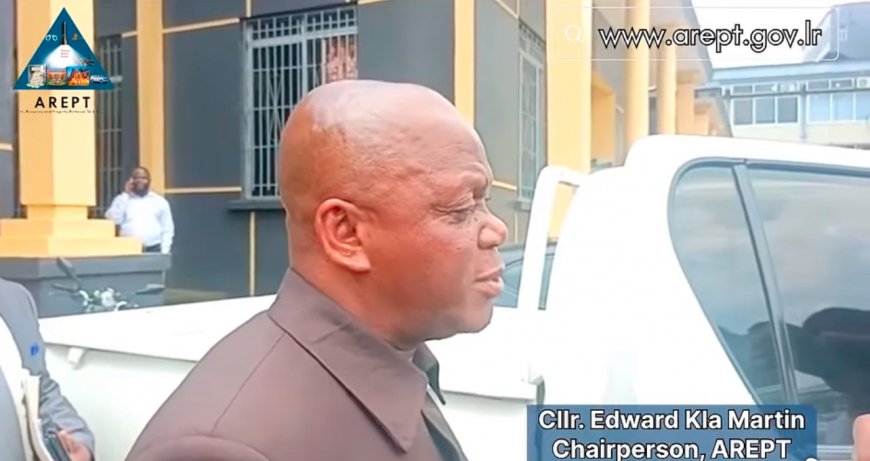
Paynesville, Liberia: Liberia’s Asset Recovery and Property Retrieval Taskforce (AREPT) says it is pursuing legal action to recover US$10 million allegedly taken from the country and deposited in a British bank, extending its investigations into suspected stolen public wealth beyond Liberia’s borders.
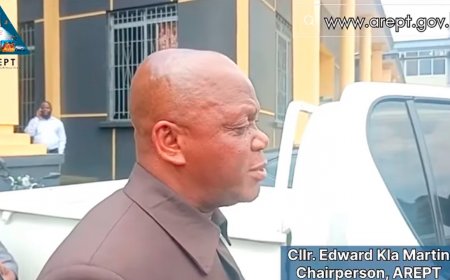
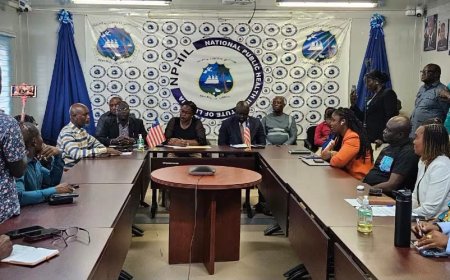
AREPT Chairman, Cllr. Edwin Kla Martin, disclosed that intelligence gathered with international partners helped investigators identify the money. He said the taskforce is pursuing international litigation to secure its return to the Government of Liberia.
“Out of Liberia, we have identified US$10 million currently being stored in one of the British banks. We have been working with other international partners on this identification, and we are now in the process of going through international litigation,” Martin said during remarks in Monrovia.
The disclosure raises questions about how the money allegedly left Liberia, who controls the account and which public institution originally held the funds. The account provided does not identify the bank, the account holders or the transactions involved.
Martin said individuals found responsible for the alleged theft would face prosecution. However, identifying funds and recovering them are separate stages, and his announcement does not establish that the money has already been returned to Liberia.
In a separate published update, AREPT said it had filed a matter before a British court concerning approximately US$10 million under investigation. The taskforce presented that step as part of its effort to pursue suspected assets outside Liberia’s jurisdiction.
A Mandate That Reaches Beyond Liberia
President Joseph Nyuma Boakai established the asset recovery mechanism through Executive Order No. 126 in 2024. Its mandate includes tracing suspected stolen public assets inside and outside Liberia, gathering evidence, initiating criminal prosecution and civil litigation, and returning confiscated assets following adjudication.
The mandate covers both current and former government officials, as well as private individuals who illegally acquired government property. It therefore extends beyond recovering government vehicles or buildings to pursuing public money allegedly converted to private use.
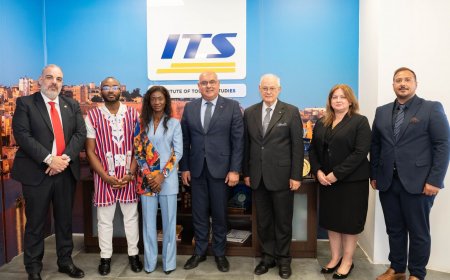
The taskforce says its international recovery work includes relationships with United Kingdom-based firms Grant Thornton, Omnia Strategy LLP, FTI Consulting and Blake Morgan. According to AREPT, these engagements support litigation and the specialist work required to pursue assets across jurisdictions.
That overseas effort places a substantial burden on investigators: they must connect the assets being pursued to evidence of wrongdoing and present cases capable of withstanding judicial scrutiny.
Rice Case Brings Domestic Investigations Into Focus
The overseas disclosure comes as AREPT’s domestic investigations receive renewed attention following guilty verdicts in the Saudi-donated rice case.
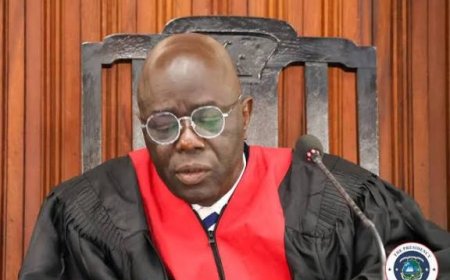
Reports of the October 9, 2026 verdict at Criminal Court “C” indicate that eight defendants were found guilty. Former Foreign Affairs Minister Dee-Maxwell Saah Kemayah and former Internal Affairs Minister Varney A. Sirleaf were among those convicted, although published accounts differ on the precise findings against individual defendants. The verdicts remain subject to applicable post-trial proceedings and appeals.
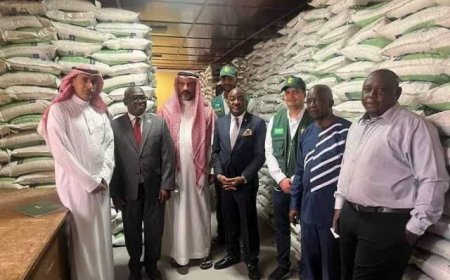
The prosecution followed an AREPT investigation conducted in collaboration with the Ministry of Justice. According to the taskforce’s June 2025 indictment announcement, the case concerned 29,412 bags of rice donated by Saudi Arabia in April 2023 for disaster victims and vulnerable communities. Investigators alleged that 25,054 bags were unlawfully diverted.
The rice prosecution and the British bank investigation involve separate allegations, but both fall within the taskforce’s stated responsibility to investigate the misuse of resources entrusted to public officials.
Recovery Claims Must Produce Results
Since its establishment, AREPT has maintained that its investigations should follow evidence rather than political affiliation. Martin previously pledged that no one would be falsely incriminated because of their political connections.
The US$10 million disclosure now puts the taskforce’s international recovery work under closer public scrutiny. The central questions are whether investigators can establish the money’s origin, obtain the necessary court orders and secure its return.
For now, the funds remain the subject of an alleged theft and a recovery effort. A successful outcome would require more than locating an overseas account: it would require a legally established basis for returning the money to Liberia.
What's Your Reaction?
 Like
0
Like
0
 Dislike
0
Dislike
0
 Love
0
Love
0
 Funny
0
Funny
0
 Angry
0
Angry
0
 Sad
0
Sad
0
 Wow
0
Wow
0