

















Health Ministry Warns of Risks to Services as Donor Support Declines

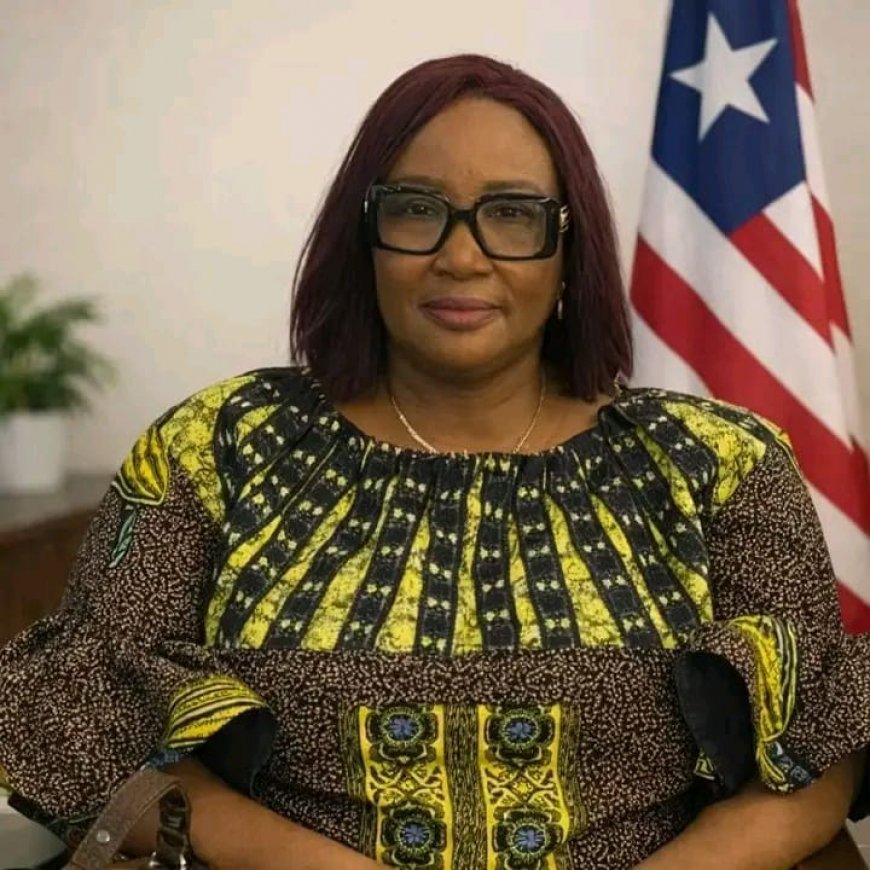
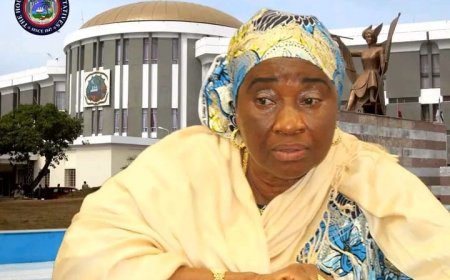
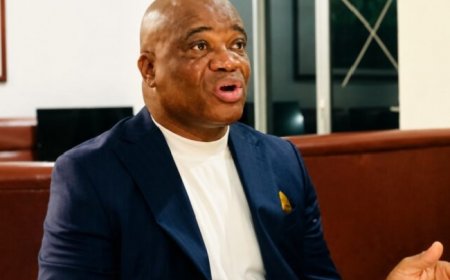
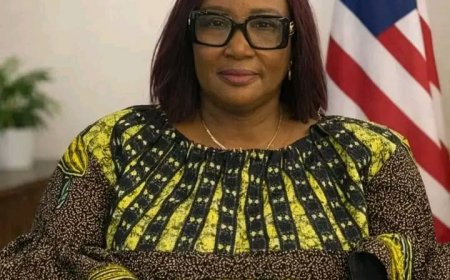
MONROVIA, Liberia — Health Minister Dr. Louise Mapleh Kpoto is calling for increased domestic funding in the proposed 2027 national budget, warning that declining support from international partners could make it difficult to sustain essential healthcare services across Liberia.
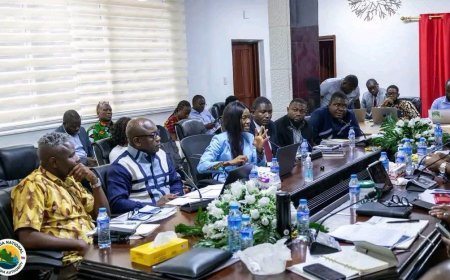
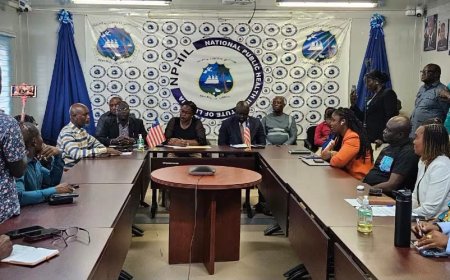
Speaking during an executive budget hearing with the Ministry of Finance and Development Planning on Monday, October 12, Kpoto said additional resources are needed to maintain health facilities, ensure the availability of essential medicines and strengthen maternal and newborn care.
“When we pull out from health today, the government pays a higher price,” Kpoto told budget officials, emphasizing the long-term consequences of reducing investment in healthcare.
“We’re not simply asking for money to run the Ministry of Health. We’re asking for resources for the health facilities to be functional,” she added.
The minister said the health sector had made progress under the 2026 budget but warned that sustaining those gains would require stronger domestic financing as international partners face financial constraints.
According to her presentation, the ministry’s budget execution rate stood at 66.4 percent as of September 30, 2026.
Kpoto also reported that approximately 91 percent of targeted children had been vaccinated and that 621 service points across the country had received medical commodities.
She highlighted ongoing health infrastructure projects, including hospital improvements, diagnostic facilities and the provision of medical equipment. However, she said additional funding would be necessary to maintain existing services while expanding healthcare access.
Health Workers Remain a Priority
One of the ministry’s major requests for the 2027 budget is funding to place verified health volunteers on the government payroll.
Kpoto said the country needs a motivated and adequately supported health workforce to improve service delivery, particularly in rural communities where access to healthcare remains a concern.
“If you don’t have a motivated health workforce, you will not have your healthcare being attainable,” she said.
The ministry also wants to strengthen environmental health services by employing more environmental health technicians to support sanitation efforts and help prevent disease outbreaks, including cholera and diarrhea.
The proposed payroll expansion, however, will compete with other health priorities, including the procurement of medicines, maintenance of equipment and the operation of public health facilities.
Plans to Expand Healthcare Beyond Monrovia
Kpoto also called for increased investment in specialized healthcare outside Montserrado County, arguing that patients in rural areas should not have to travel to Monrovia for services that could be provided closer to their communities.
“Monrovia is not Liberia,” she said, stressing the importance of decentralizing healthcare delivery.
Among the ministry’s proposed priorities are regional diagnostic centers to provide services such as CT scans, ultrasound examinations and laboratory testing.
The ministry is also seeking support for a proposed dialysis center in Tappita, expanded dental services in rural counties and a dedicated operational budget for the new Redemption Hospital.
Kpoto said the proposed dialysis expansion would require appropriate infrastructure, water purification systems and technical support, in addition to the machines needed to treat patients.
She also called for support for a national children’s hospital and improvements to maternity facilities, citing pressure on existing public hospitals from increasing patient numbers.
Ministry Plans Local Production of Medical Supplies
The ministry is further proposing an intravenous fluid production plant that it hopes to establish before 2028.
The facility is expected to produce commonly used medical fluids, including saline and glucose solutions, as well as hand sanitizer.
“If we produce our own IV fluid along with hand sanitizer in the country, it will decrease the expenses that we have,” Kpoto said.
The proposed investment is intended to reduce dependence on imported medical supplies and potentially lower procurement costs.
The ministry is also seeking to establish a biomedical training program to address shortages of technicians capable of repairing and maintaining medical equipment.
Kpoto said the growing availability of modern medical equipment must be matched by local technical capacity to keep the equipment functioning.
Funding Will Determine Implementation
The ministry’s requests come as government institutions compete for limited resources during preparations for the 2027 fiscal year.
While Kpoto outlined progress under the current budget, the proposed expansion of healthcare services will depend on the funding approved, the timely release of allocations and the government’s ability to cover recurring costs.
These include salaries, essential medicines, equipment maintenance and the operation of hospitals and clinics.
The budget hearing is part of the government’s review of institutional spending performance, implementation challenges and proposed priorities for the 2027 fiscal year.
What's Your Reaction?
 Like
0
Like
0
 Dislike
0
Dislike
0
 Love
0
Love
0
 Funny
0
Funny
0
 Angry
0
Angry
0
 Sad
0
Sad
0
 Wow
0
Wow
0