






















Liberia Urged to Invest in Eye Care as Experts Warn of Gaps in County Services

MONROVIA, Liberia —Health officials and eye-care professionals are calling for increased government investment in specialized personnel, early screening, and treatment facilities as Liberia intensifies efforts to prevent avoidable blindness and expand access to eye-health services nationwide.
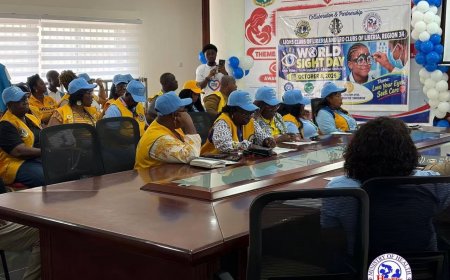
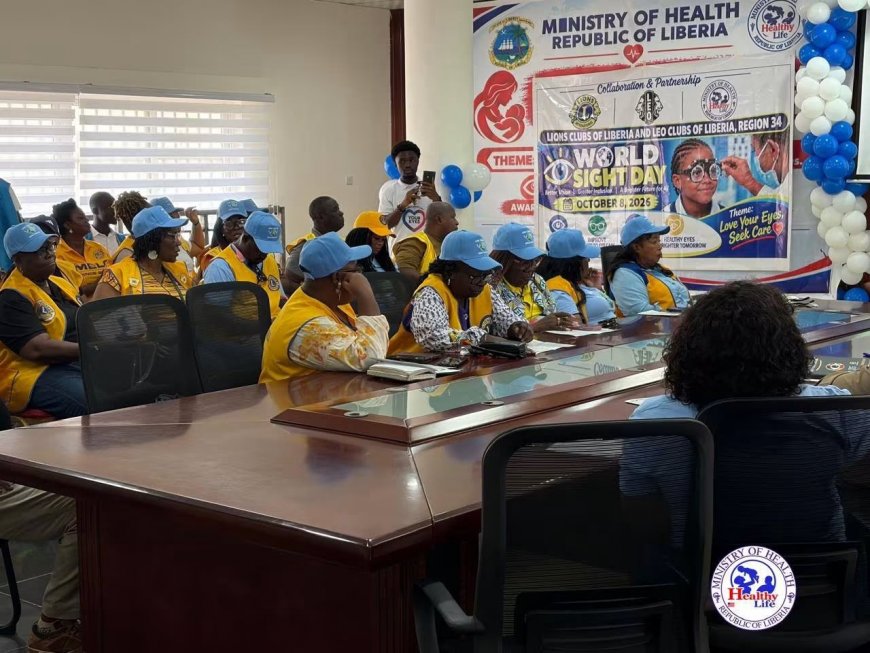
The call was made Thursday during the observance of World Sight Day, organized by the Ministry of Health through its National Eye Health Program (NEHP), in collaboration with local and international partners.
Participants highlighted persistent gaps in eye-care services, particularly in rural counties, where limited facilities and shortages of trained professionals continue to make access to specialized treatment difficult for many communities.
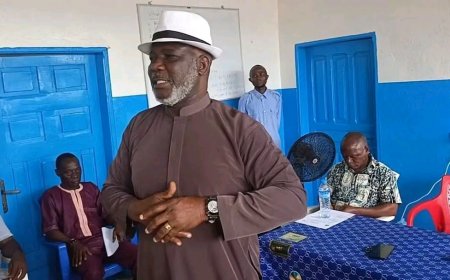
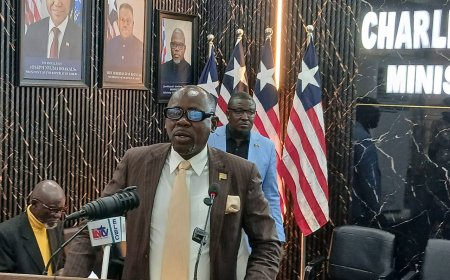
Dr. Lawrence K. Bropleh, Chairman of the National Eye Health Steering Committee, said investments in infrastructure and medical equipment would have limited impact without adequately trained professionals to operate the facilities and provide quality care.
“We can have all the best equipment here, but if doctors, nurses and administrators do not come with the requisite skills and know-how to attend to the people who need to receive care at this center, then it means that the real ends and objectives of this eye center and the equipment will not be achieved,” Bropleh said.
He urged the government and its partners to prioritize specialized training for eye-care professionals, including optometric nurses and ophthalmologists, while strengthening existing facilities across the country.
Bropleh said eye-health services must be integrated into county health systems and school-health programs to ensure that people outside Monrovia can access screening, diagnosis and treatment without having to travel long distances.
“When I travel across the country and interact with the population, especially in some of our counties, there are no eye clinics, no optometric nurses, no ophthalmologists,” he said.
He described county-level health facilities as essential to expanding access to care and called for increased funding, equipment and logistical support to improve service delivery.
The Ministry of Health says it is working to expand basic eye-health services across Liberia, with particular emphasis on developing the human resources needed to provide care.
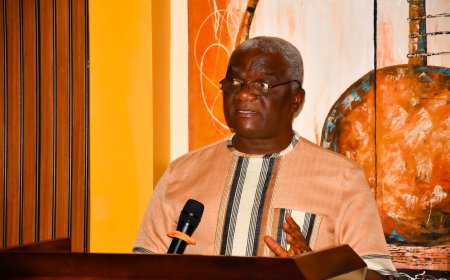
Dr. Cuallau Jabbeh-Howe, Assistant Minister for Preventive Services, reaffirmed the Ministry’s commitment to improving access to healthcare and ensuring that vulnerable populations are not excluded from essential services.
“We want to reaffirm the Ministry of Health’s commitment to ensure that no one is left behind,” she said.
Jabbeh-Howe also thanked local and international partners for supporting the country’s eye-health initiatives, noting the importance of collaboration in reaching communities and improving public health outcomes.
The Ministry’s efforts come amid calls for stronger coordination between government institutions, health professionals and development partners to address gaps in specialized healthcare delivery.
Dr. Molley R. Goe, Director of the National Eye Health Program, said the Ministry and its partners have conducted eye screenings in schools across Monrovia and surrounding communities, reaching students, school personnel and other residents.
He urged the public to make eye examinations a regular part of healthcare rather than waiting until vision problems become severe.
“We want to remind the public that eye health is everybody’s business. People should not wait until they have severe problems with their vision before seeking care,” Goe said.
He stressed that early detection can improve treatment outcomes, particularly for eye conditions that may be managed more successfully when identified before they progress.
“Early detection is very important because some eye conditions can be managed successfully when they are identified at an early stage,” he added.
Health professionals are also emphasizing the importance of screening infants and children, as early identification of vision problems can help prevent avoidable complications and support children’s learning and development.
Deputy Director of the Eye Health Program, Mr. Hiaka Hinneh, also highlighted the importance of public awareness, regular eye examinations, early diagnosis and timely treatment in reducing preventable vision loss.
Beyond the shortage of facilities and specialized workers, Bropleh raised concerns about the need to ensure that eye-care services are delivered by properly trained and qualified professionals.
He called for sustained investment in professional education and training to improve the quality and reliability of eye-health services.
“We must commit to intensively training our health practitioners to become excellent and dependable optometric practitioners to deliver the very best health-care services,” he said.
Bropleh also cautioned against healthcare personnel without the required qualifications presenting themselves as specialists in optometric nursing or ophthalmology.
“Healthcare personnel who are not trained in optometric nursing or ophthalmology must not pretend,” he added.
His remarks underscored the importance of professional standards and appropriate training in protecting patients and ensuring that eye conditions are correctly identified and managed.
Bropleh said eye health should be treated as an essential component of Liberia’s broader development agenda, noting that good vision is necessary for people to perform their daily activities and contribute productively to society.
He pointed out that farmers, teachers, engineers, police officers, healthcare workers and other professionals depend on their eyesight to carry out their responsibilities effectively.
“No country can thrive in prosperity and development in the absence of a healthy population,” he said.
He warned that limited access to eye-care services could deepen existing inequalities, particularly among low-income households and rural communities that face financial and geographical barriers to specialized treatment.
Bropleh further called on state actors, through the Ministry of Health, to work with existing partners to gradually integrate eye-health services into county health systems and school-health programs throughout Liberia.
He also urged increased support for eye-care centers and expanded capacity for eye surgery and other interventions that can prevent blindness or restore vision where possible.
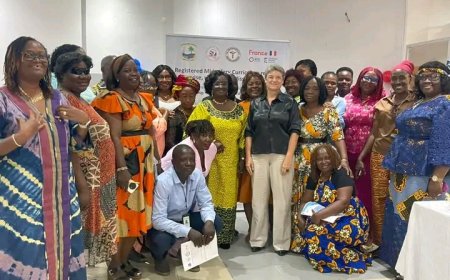
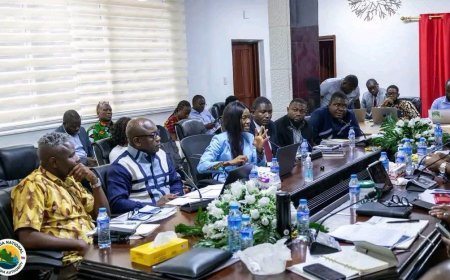
The World Sight Day observance brought together officials from the Ministry of Health, eye-health professionals and representatives of Lions Club International, Sightsavers, OneSight, Samaritan’s Purse, the World Health Organization, Good Vision and New Sight.
The participating organizations reaffirmed their support for Liberia’s efforts to strengthen eye-health services, promote public awareness and expand access to screening and treatment.
Their collaboration remains important to addressing service-delivery gaps, supporting healthcare workers and reaching communities that have limited access to specialized care.
The observance concluded with renewed calls for sustained government funding, stronger partnerships, professional training and community-based screening to reduce preventable blindness and improve the quality of life of people living with vision problems.
As Liberia continues to strengthen its healthcare system, health officials and eye-care advocates say expanding access to affordable, qualified and timely eye care will be essential to ensuring that preventable vision loss does not become a lifelong barrier to education, employment and national development.
What's Your Reaction?
 Like
0
Like
0
 Dislike
0
Dislike
0
 Love
0
Love
0
 Funny
0
Funny
0
 Angry
0
Angry
0
 Sad
0
Sad
0
 Wow
0
Wow
0