














Joekai Calls for Major Constitutional Overhaul, Says Liberia’s 1986 Charter No Longer Meets Modern Realiti
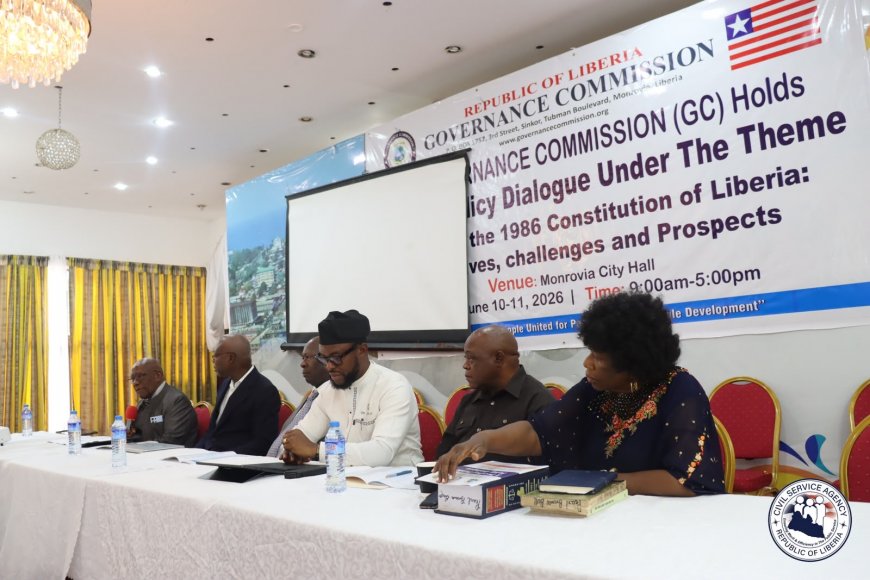
MONROVIA, Liberia: Civil Service Agency (CSA) Director-General Dr. Josiah F. Joekai Jr. has called for sweeping reforms to Liberia’s 1986 Constitution, arguing that several provisions of the country’s supreme law no longer reflect present-day governance demands and development aspirations.
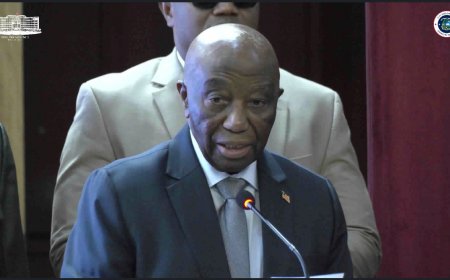
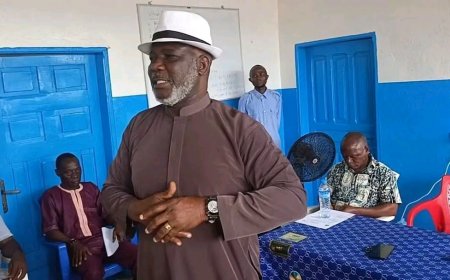
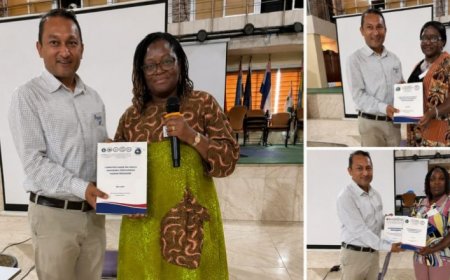
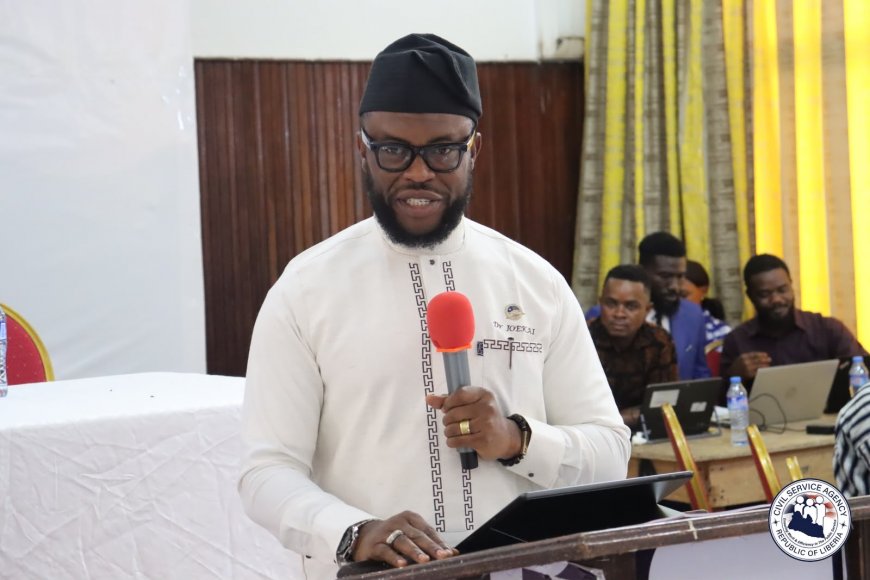
Speaking Thursday during a Public Policy Dialogue on Constitutional Reform at Monrovia City Hall, Dr. Joekai presented a scholarly paper titled “Constitutional Reform in Liberia: An Assessment of the Gloria Scott Committee Report,” which examined key recommendations for modernizing the Constitution and strengthening democratic governance.
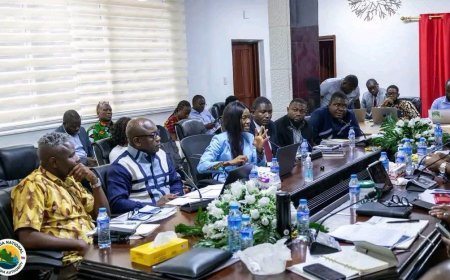
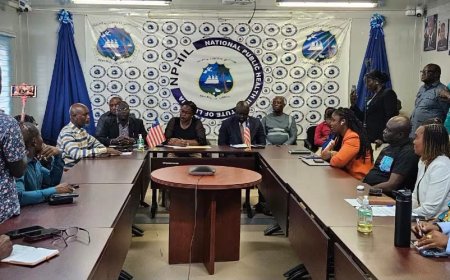
The dialogue, organized by the Governance Commission in partnership with the Law Reform Commission, was held under the theme: “Review of the 1986 Constitution of Liberia: Imperatives, Challenges and Prospects.”
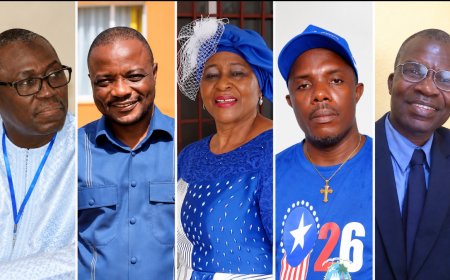
The event brought together prominent legal minds and public officials, including former Chief Justice Cllr. Gloria Musu-Scott, former Supreme Court Associate Justice Cllr. Philip A.Z. Banks, Liberia School of Law President Cllr. Kwame Clement, Cllr. Pearl Brown Bull, and Law Reform Commission Chairman Cllr. Bornor Varmah.
Presenting the findings of his research, Dr. Joekai said constitutional reform has become a national necessity, noting that the Constitution was drafted before Liberia’s civil conflict, decentralization efforts, technological transformation, and modern governance debates surrounding transparency, accountability, inclusion, and citizen participation.
According to him, Liberia requires constitutional structures capable of supporting effective decentralization, stronger democratic institutions, economic competitiveness, and broader public participation in governance.
“Constitutional reform is essential for strengthening democratic accountability, promoting socio-economic development, increasing investor confidence, and fostering social cohesion,” Dr. Joekai said. “For a nation seeking to consolidate peace and accelerate development, constitutional reform is not optional but a strategic necessity.”
Among the major reform areas highlighted were decentralization and local governance, presidential and legislative tenure, citizenship laws, judicial reforms, gender equality, disability rights, and anti-corruption measures.
On decentralization, Dr. Joekai noted that citizens have consistently advocated for the election of county superintendents and other local officials rather than presidential appointments, arguing that such a move would strengthen accountability and local participation.
He also referenced calls to reduce the presidential term from six to five years and shorten legislative tenures to improve responsiveness and public oversight.
The CSA Director-General further identified several constitutional provisions that continue to generate national debate, including Article 27 on citizenship, Article 54 on presidential appointment powers, and provisions governing the tenure and immunity of elected officials.
He observed that the Constitution remains largely silent on modern governance issues such as digital transformation, cybersecurity, environmental sustainability, access to information, and contemporary public-sector management.
To advance the reform process, Dr. Joekai proposed the development of a National Constitutional Reform Roadmap led by the Governance Commission and supported by key state institutions, civil society organizations, traditional leaders, academia, and development partners.
He also recommended nationwide civic education campaigns, county-level consultations, engagement with Liberians in the diaspora, and the convening of a National Constitutional Conference to build consensus around proposed amendments.
According to Dr. Joekai, any constitutional amendments should ultimately be submitted to the Liberian people through a national referendum in accordance with constitutional requirements.
He concluded by commending the Governance Commission and its partners for creating a platform for national dialogue and urged stakeholders to ensure that recommendations emerging from the discussions are translated into concrete actions.
The constitutional reform debate remains one of Liberia’s most significant governance discussions, with advocates arguing that modernization of the 1986 Constitution is critical to strengthening democracy, improving accountability, and positioning the country to address emerging national challenges.
What's Your Reaction?
 Like
0
Like
0
 Dislike
0
Dislike
0
 Love
0
Love
0
 Funny
0
Funny
0
 Angry
0
Angry
0
 Sad
0
Sad
0
 Wow
0
Wow
0