











Liberia’s Flag Installed at UN Security Council as the Country Begins Two-Year Tenure
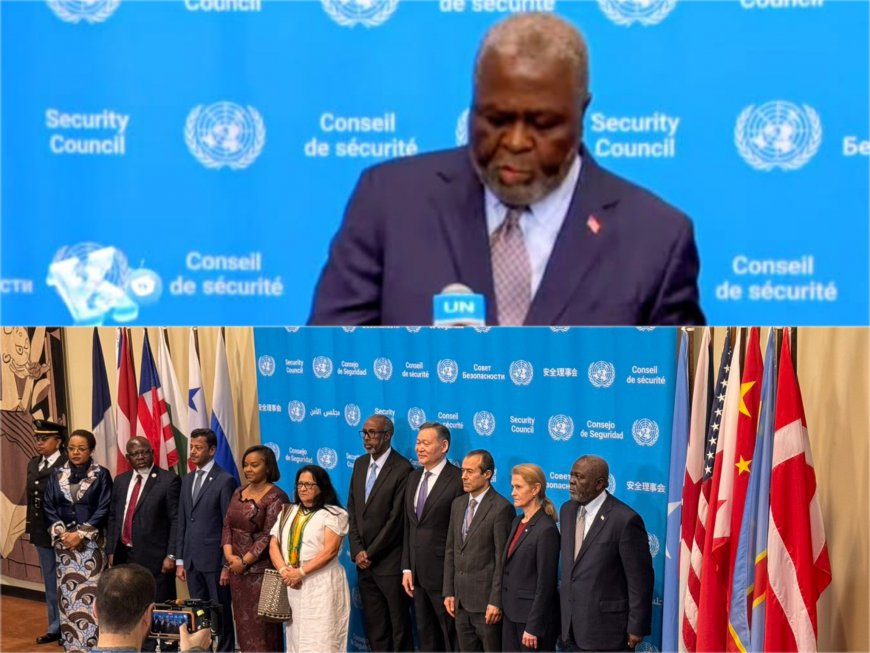
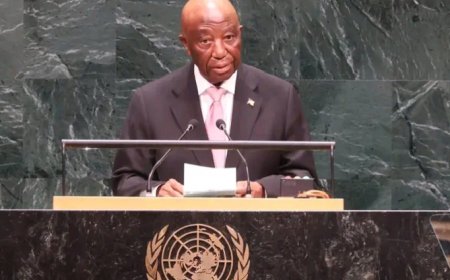
The United Nations Security Council on Friday officially installed the flag of Liberia during a formal ceremony held at the UN Headquarters in New York, marking the country’s assumption of its role as a non-permanent member of the Council for the 2026–2027 term.
By: Emmanuel George
The flag installation ceremony welcomed five newly elected members, including Bahrain, Colombia, the Democratic Republic of Congo, Latvia, and Liberia. It symbolized the start of their two-year service on the 15- member body charged with maintaining international peace and security.
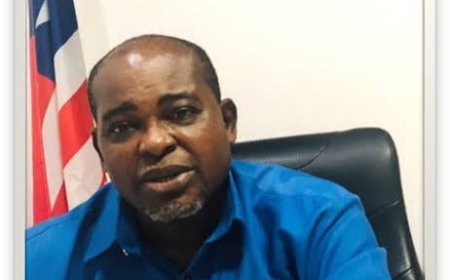
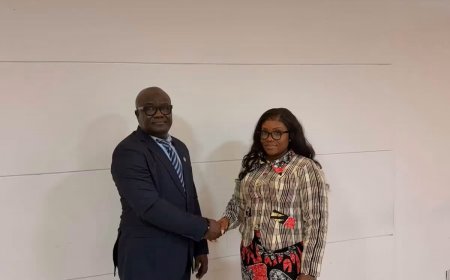
Liberia was represented at the ceremony by its Permanent Representative to the United Nations, Ambassador Lewis G. Brown, who reaffirmed the nation’s readiness and determination to contribute meaningfully to the work of the Security Council.
Ambassador Brown emphasized Liberia’s strong belief in multilateral diplomacy and collective global action as essential tools for preventing conflict, resolving crises, and sustaining peace worldwide.
He noted that Liberia’s return to the Council reflects the country’s continued engagement with the international community and its commitment to promoting dialogue, cooperation, and respect for international law in addressing global security challenges.
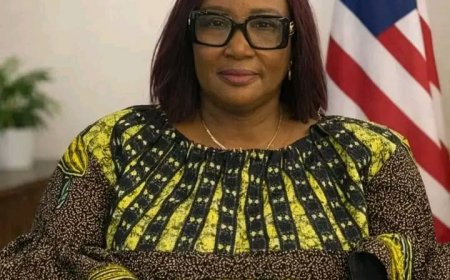
Meanwhile, Liberia's Minister of Foreign Affairs, Sara Beysolow Nyanti celebrated the milestone on social media, describing the moment as a source of national pride and a significant achievement for Liberia’s foreign policy and diplomacy.
“Proudly Liberian. Raise the flag! UNSC Day One has started with the installation of our flag. Thanks, Ambassador Lewis Brown, for that fine representation,” the Foreign Minister wrote on her personal social media handle.
Liberia’s election to the UN Security Council marks an important diplomatic milestone and underscores international confidence in the country’s leadership and contributions to peace-building.
As a non-permanent member, Liberia is expected to participate in critical deliberations on global conflicts, sanctions, peacekeeping missions, and emerging security threats over the next two years.
What's Your Reaction?
 Like
0
Like
0
 Dislike
0
Dislike
0
 Love
0
Love
0
 Funny
0
Funny
0
 Angry
0
Angry
0
 Sad
0
Sad
0
 Wow
0
Wow
0