




























Liberia Eyes Global IP Alignment As Senate Reviews WIPO, ARIPO, And UNESCO Instruments
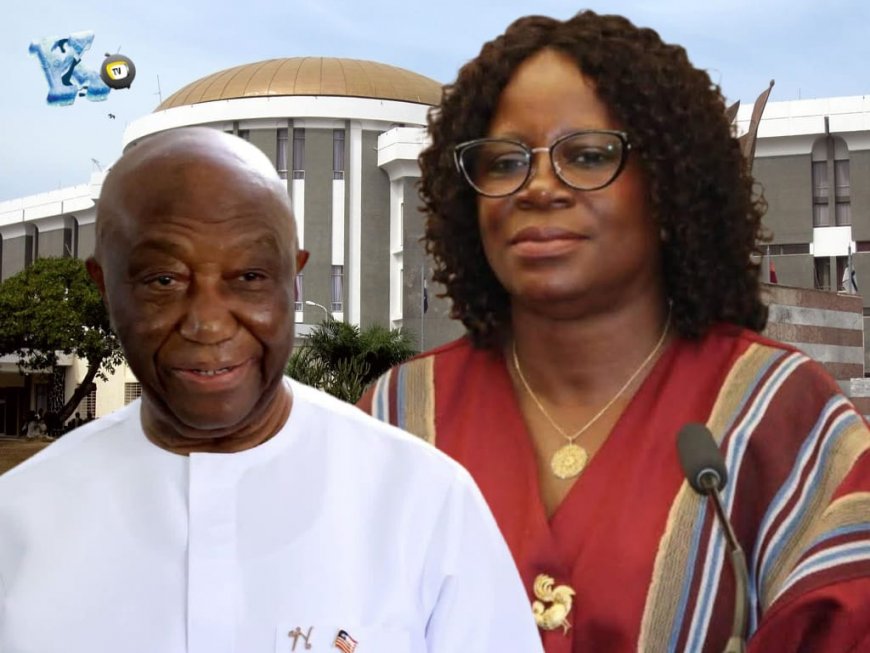
CAPITOL HILL, MONROVIA: The Liberian Senate has formally mandated its Joint Committee on Foreign Affairs and Judiciary to review a cluster of international intellectual property, cultural, and agricultural treaties submitted for ratification by President Joseph N. Boakai, Sr., in a coordinated legislative move aimed at aligning Liberia’s domestic legal framework with global and regional standards governing copyright protection, plant variety rights, and cultural preservation.
The presidential communication, read during plenary on Tuesday, March 3, 2026, outlines a structured reform agenda that seeks to modernize Liberia’s regulatory environment in the creative and innovation sectors, while the House of Representatives undertakes a parallel review of the same instruments through its own specialized committees to ensure bicameral legislative scrutiny.
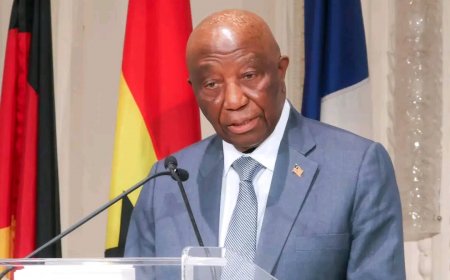
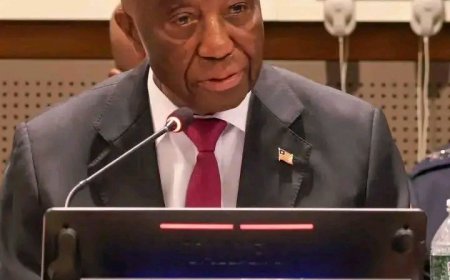
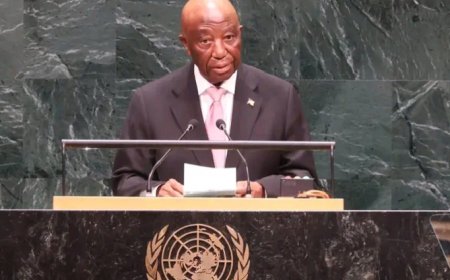
In his address, President Boakai stated, “These ratifications are essential to strengthening Liberia’s intellectual property framework, attracting investment, and advancing sustainable national development.”
Central to the submission is the WIPO Copyright Treaty, a multilateral agreement administered by the World Intellectual Property Organization that expands protections for authors in the digital environment, particularly in relation to online reproduction, distribution rights, and technological protection measures.
Ratification would require Liberia to examine the adequacy of its copyright statutes in addressing digital dissemination and cross-border infringement, especially as local content increasingly circulates through online platforms beyond national jurisdiction.
The President highlighted, 'Aligning our domestic copyright laws with WIPO standards ensures our creators are fully protected in an increasingly digital and interconnected world.'
The Senate is also reviewing the Kampala Protocol under the framework of the African Regional Intellectual Property Organization, which establishes a voluntary registration system for copyright and related rights across member states, thereby enhancing evidentiary protection and facilitating recognition of works within regional markets.
Complementing this instrument is the Arusha Protocol, which provides a regional mechanism for the protection of new plant varieties and outlines uniform standards for granting breeders’ rights within participating African jurisdictions.
The President’s communication emphasized, “A strong plant variety protection system is critical to incentivizing research and supporting our agricultural development objectives.”
Further included in the package is the International Convention for the Protection of New Varieties of Plants, commonly associated with the UPOV system, which promotes the development of improved plant varieties by granting exclusive rights to breeders under defined conditions and limitations.
Adoption of this convention would require Liberia to strengthen institutional capacity for plant variety examination and certification, while balancing breeders’ rights with public interest considerations in agriculture and food security.
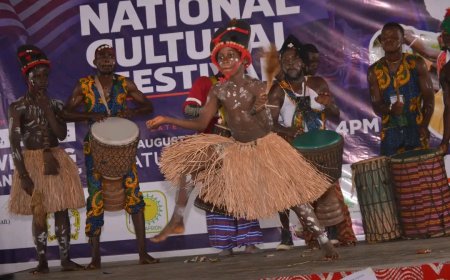
Beyond commercial intellectual property, the submission extends to cultural governance through the Convention on the Protection and Promotion of the Diversity of Cultural Expressions and the Convention for the Safeguarding of the Intangible Cultural Heritage, both adopted under the auspices of the United Nations Educational, Scientific and Cultural Organization.
These conventions commit state parties to preserve oral traditions, performing arts, social practices, and indigenous knowledge systems, while safeguarding policy space to support domestic cultural industries within the global marketplace.
In his communication to the Legislature, President Boakai emphasized that ratification of these instruments would strengthen Liberia’s intellectual property rights regime, promote investment confidence, and advance sustainable national development by establishing predictable legal protections for creators, innovators, and agricultural stakeholders.
The administration’s position frames the initiative as a structural reform measure designed to integrate Liberia more firmly into international legal systems that govern knowledge economies and cultural exchange.
The Senate’s referral of the instruments to committee marks the beginning of a technical review process that will assess legal compatibility, institutional readiness, fiscal implications, and enforcement capacity before recommendations are submitted to plenary for debate and possible ratification.
Should both chambers ultimately endorse the package, Liberia would assume binding international obligations requiring legislative amendments, regulatory adjustments, and administrative strengthening, signaling a deliberate shift toward global intellectual property alignment and enhanced cultural stewardship within its national development strategy.
What's Your Reaction?
 Like
0
Like
0
 Dislike
0
Dislike
0
 Love
0
Love
0
 Funny
0
Funny
0
 Angry
0
Angry
0
 Sad
0
Sad
0
 Wow
0
Wow
0