











Gov't Vows to Enforce 'Reserved Business' Rights for Liberians
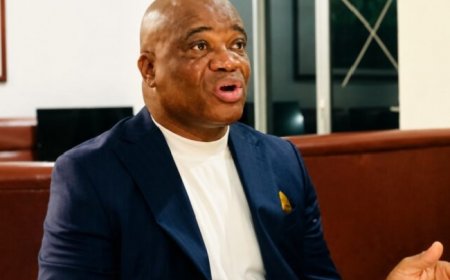
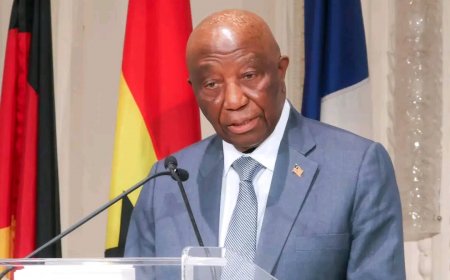
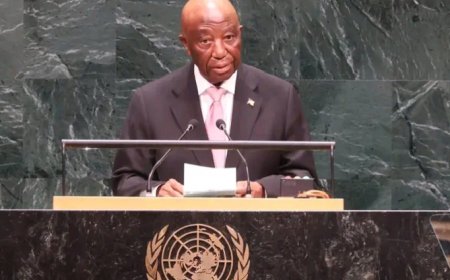
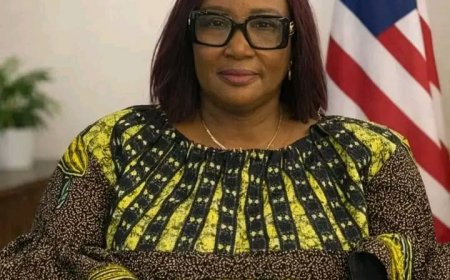
The Vice President of Liberia, Jeremiah Koung, has expressed the government's commitment to enforce policies in the business community that will lower foreign dominance and tighten grips on reserved businesses for Liberians. The Vice President said multiple surveys have uncovered that foreign nationals are melting into restricted businesses. Koung emphasized the Liberianization Policy introduced in 1976 under the administration of late President William R. Tolbert.
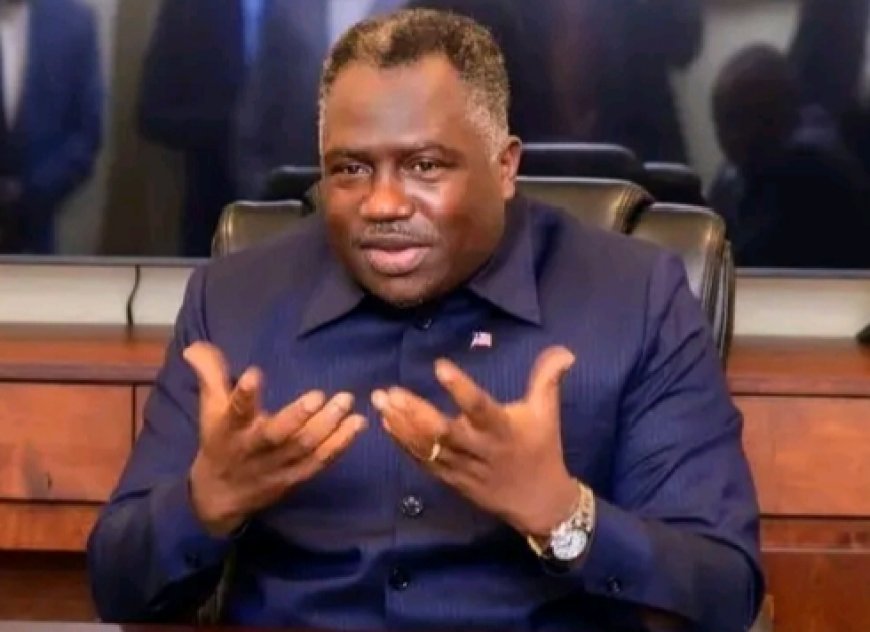
Monrovia, Liberia: The Vice President of Liberia, Jeremiah Koung, has expressed the government's commitment to enforce policies in the business community that will lower foreign dominance and tighten grips on reserved businesses for Liberians.
By: Lawrena Wesseh
The Vice President said multiple surveys have uncovered that foreign nationals are melting into restricted businesses. Koung emphasized the Liberianization Policy introduced in 1976 under the administration of late President William R. Tolbert.
The Policy prefers Liberians first for jobs and identifies specific business areas such as restaurants, retail sale of ice, travel agencies, and block making among others, closed to foreign investors.
The Vice President said some reserved businesses managed by foreign nationals use Liberians as front owners, while control lies with foreign investment. According to him, this situation sends a troubling message about Liberians participation and control of the local economy.
However, VP Koung disclosed that a Presidential Ad Hoc Committee set up to review prices of local commodities and identify discrepancies in the business sector, is holding consultation with relevant government institutions to ensure compliance of policies governing the sector.
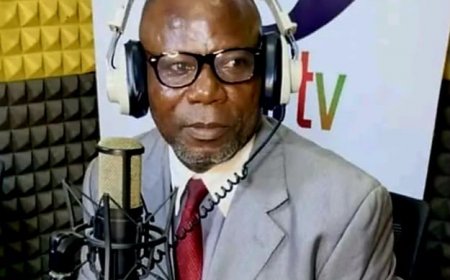
Speaking on State Radio on Monday, April 26, the Liberian Vice President noted that the committee’s initial report to the President, Joseph Boakia, outlined several recommendations aimed at improving enforcement and expanding opportunities for Liberian entrepreneurs.
He highlighted that the committee is considering practical enforcement measures, including stronger regulatory oversight, improved verification systems, and coordinated action with agencies such as the Liberia Revenue Authority and law enforcement institutions.
“We concluded our first report on December 19, 2025, following the President’s directive. That report highlighted key areas that require follow-up, particularly how reserved business categories are being implemented in practice".
“There are about 16 to 17 categories of businesses reserved for Liberians. However, in many instances, these sectors are being dominated through various arrangements that do not reflect the intent of the law".
“We have seen situations where Liberians are listed as owners, but the actual control is elsewhere. That is not what the law intended,” VP Koung added.
The Liberian Vice President, Jeremiah Koung, clarified that the planned enforcement action is not a crackdown on foreign investment, but a move to ensure that Liberians are not spectators in their own economy.
“We are not targeting any group. We will engage stakeholders, but we must ensure fairness and respect for our laws".
“We are looking at practical steps. Some businesses may need to be reviewed, and where necessary, enforcement actions will follow. The objective is compliance, not victimization,” Koung emphasized.
Meanwhile, Jeremiah Koung acknowledged structural challenges facing Liberian entrepreneurs. According to him, limited access to affordable credit, high interest rates, and barriers to entry in competitive sectors.
He at the same time disclosed that, the government is considering policy interventions, including concessional financing arrangements to support small and medium-sized Liberian businesses.
“Many Liberians are unable to access affordable financing. We are recommending mechanisms that could provide low-interest or interest-free support to help local businesses grow,” he said.
What's Your Reaction?
 Like
0
Like
0
 Dislike
0
Dislike
0
 Love
0
Love
0
 Funny
0
Funny
0
 Angry
0
Angry
0
 Sad
0
Sad
0
 Wow
0
Wow
0