



















NEC Targets Digital Overhaul of Elections, Sets Stage to Retire OMR Ballot System
NEC announces transition to a fully digitized electoral system, signaling the gradual phase-out of OMR technology in Liberia.
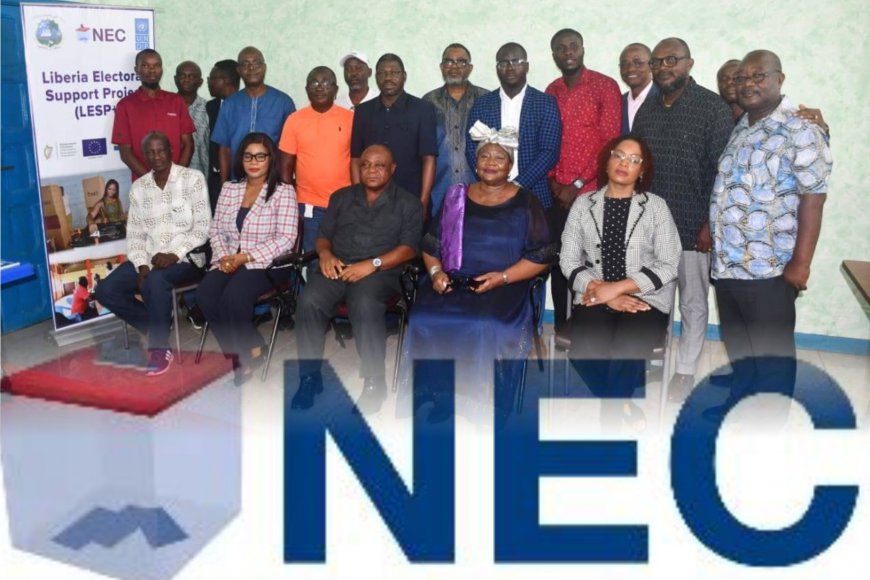
MONROVIA, LIBERIA — April 23, 2026: The National Elections Commission (NEC) unveils plans to transition from paper-dependent processes to a fully digitized election management system, marking a pivotal shift in Liberia’s electoral framework and setting the stage for the gradual phase-out of the long-standing Optical Mark Recognition (OMR) technology.
By: Lawrena Happy Wesseh
For years, OMR has served as the backbone of Liberia’s vote tabulation process, converting manually marked ballots into machine-readable data; however, NEC leadership now views the system as increasingly misaligned with the demands of speed, transparency, and administrative efficiency required in contemporary elections.
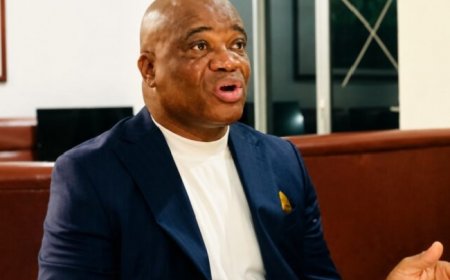
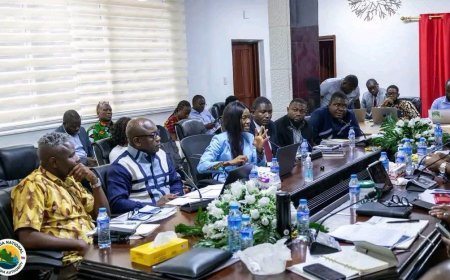
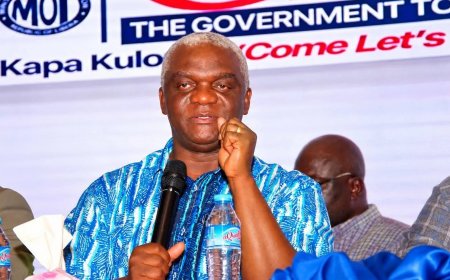
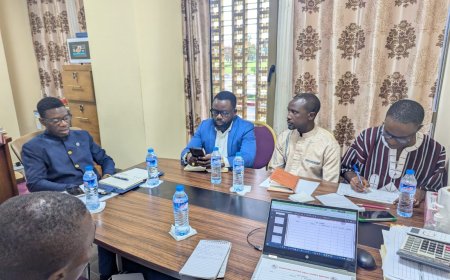
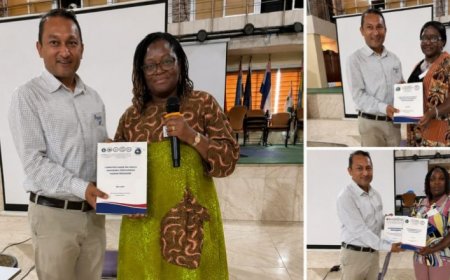
Acting Chairperson Jonathan K. Weedor, addressing participants at the close of a 10-day Website Migration and Modernization Training held at Stella Maris University, framed the transition as a strategic institutional recalibration rather than a routine upgrade.
“Digital transformation is no longer aspirational—it is operational,” Weedor declared, emphasizing that the Commission’s reform agenda is anchored on building a resilient, technology-driven electoral system capable of delivering credible and timely results.
The Commission’s roadmap envisions a phased integration of advanced digital tools that will progressively displace legacy systems such as OMR, introducing mechanisms for real-time data processing, enhanced audit trails, and improved transparency safeguards.
Beyond operational efficiency, the shift carries broader implications for public trust, particularly in a political environment where the integrity and credibility of election results remain under intense scrutiny.
The reform initiative is being implemented in partnership with the United Nations Development Programme (UNDP) under the Liberia Electoral Support Project (LESP), which is supporting NEC through technical assistance, ICT infrastructure upgrades, and institutional capacity development.
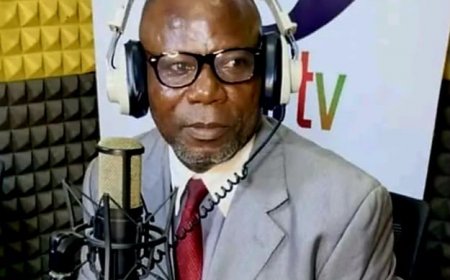
For his part, UNDP–LESP representative, Cllr. Aagon Tingban noted that the collaboration is focused on “building a more transparent, efficient, and technology-driven electoral system,” while aligning Liberia’s processes with evolving international standards.
Integral to the transformation is the modernization of NEC’s digital interface, including a comprehensive upgrade of its official website, aimed at improving accessibility, accelerating information flow, and strengthening engagement with voters and stakeholders.
What's Your Reaction?
 Like
1
Like
1
 Dislike
0
Dislike
0
 Love
2
Love
2
 Funny
0
Funny
0
 Angry
0
Angry
0
 Sad
0
Sad
0
 Wow
0
Wow
0