
















ECOWAS Parliament Targets $89 Billion Financial Leakages In Major WATAF Reform Across Africa
The ECOWAS Parliament, WATAF, and TJNA push major regional tax reforms to combat illicit financial flows and strengthen domestic revenue mobilization across West Africa.

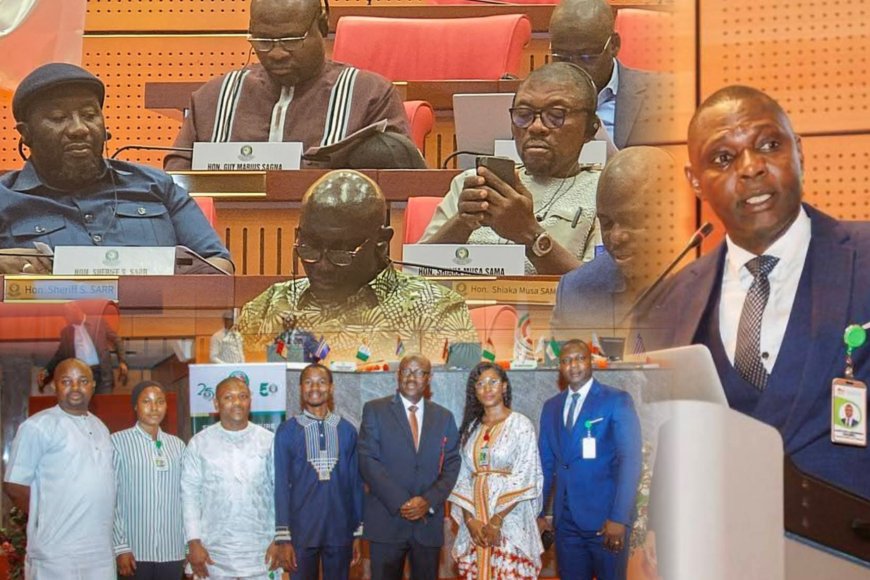
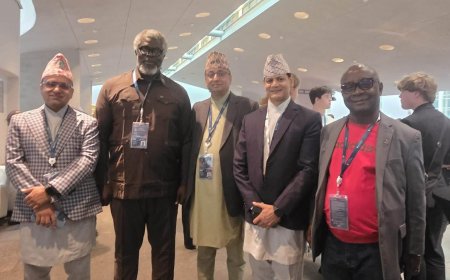
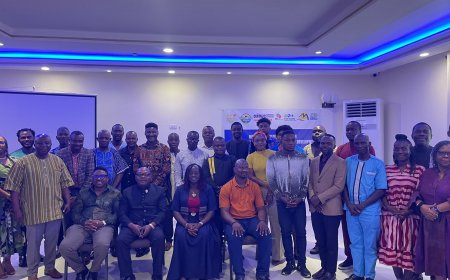
ABUJA, NIGERIA — May 12, 2026: The Parliament of the Economic Community of West African States (ECOWAS) is calling for stronger regional tax reforms and coordinated fiscal enforcement measures to combat illicit financial flows and persistent revenue leakages following a high-level Parliamentary Tax Session organized by the West African Tax Administration Forum (WATAF) in collaboration with Tax Justice Network Africa (TJNA) in Abuja, Nigeria.
The session brought together lawmakers and fiscal experts who disclosed that Africa continues to lose an estimated 89 billion United States dollars annually through tax evasion, trade misinvoicing, profit shifting, and other illicit financial practices undermining sustainable development across the continent.
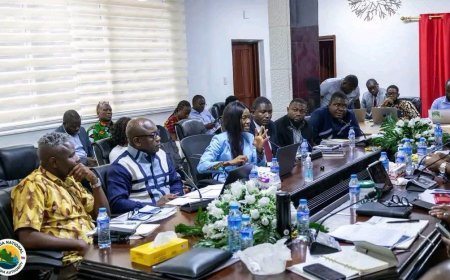
The May 11–12 engagement, held during the Sixth Legislature’s 2026 First Ordinary Session at the International Conference Centre, focused on regional tax harmonization, digital revenue systems, anti-corruption fiscal frameworks, and stronger legislative coordination aimed at improving domestic revenue mobilization throughout West Africa.
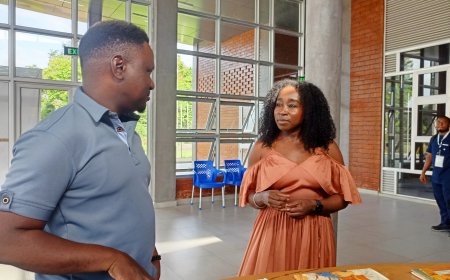
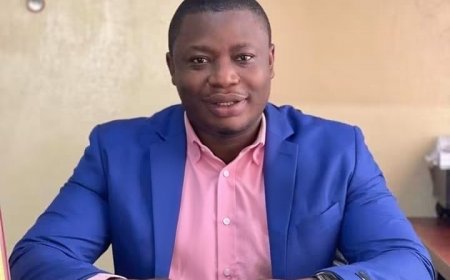
Addressing the session on behalf of WATAF Executive Secretary Jules Tapsoba, WATAF Communication and IT Manager Danicius Kaihenneh Sengbeh warned that growing financial leakages and weak tax enforcement mechanisms continue to limit governments’ capacity to fund critical sectors including healthcare, education, infrastructure, climate resilience, and national security.
Sengbeh stated that the conversation represented a broader struggle for economic sovereignty across Africa, emphasizing that effective tax administration must serve as a foundation for public accountability, institutional trust, and long-term economic stability.
“At WATAF, we firmly believe that effective tax systems are not merely instruments for revenue collection, but instruments for nation building, economic justice, and public trust,” he said.
According to Sengbeh, lawmakers within the ECOWAS region hold a critical responsibility in strengthening oversight mechanisms, supporting tax reform legislation, and ensuring transparency within public financial management systems.
He stressed that without coordinated political commitment and enforceable fiscal regulations, West African economies would remain vulnerable to external dependency, widening debt exposure, and continuous revenue losses driven by illicit cross-border financial activities and weak institutional compliance structures.
Providing an overview of the regional reform agenda, WATAF Research Manager Dr. Sidnoma Nita said the challenge confronting ECOWAS member states no longer centers on the absence of policy frameworks but rather on ineffective implementation and poor coordination among national governments.
Dr. Nita explained that several regional tax directives and transparency instruments already exist within ECOWAS structures, yet inconsistent domestication and weak enforcement continue to undermine efforts aimed at building a harmonized fiscal environment capable of supporting regional integration and economic competitiveness.
Technical presentations delivered by tax governance experts including Jonas Igwe, Dr. Zandile Ndebele, and John Thomi highlighted the growing impact of illicit financial flows on Africa’s development agenda, particularly within the extractive sector where multinational corporate structures and weak reporting standards continue to facilitate large-scale revenue leakages.
Discussions also centered on transfer pricing regulations, beneficial ownership transparency, digital taxation systems, and VAT harmonization policies designed to improve compliance and reduce administrative inefficiencies throughout the sub-region.
Participants at the parliamentary engagement further underscored the strategic importance of digitalizing Value Added Tax systems across West Africa, arguing that outdated manual tax administration processes continue to create significant compliance gaps and revenue collection failures.
The session additionally highlighted the Anti-IFF Policy Tracker jointly developed by the African Union Commission and TJNA, which has been piloted in Liberia, Ghana, and Côte d’Ivoire to evaluate national anti-illicit financial flow mechanisms and accountability systems.
The discussions coincided with broader ECOWAS economic reform measures already taking effect in 2026, including the removal of air transport taxes across the region and the inauguration of a Regional Steering Committee tasked with monitoring the bloc’s Tax Transition Programme and advancing policy implementation consistency.
Closing the session, Fourth Deputy Speaker of the ECOWAS Parliament Billay G. Tunkara commended WATAF and TJNA for strengthening regional collaboration on tax governance and equipping lawmakers with practical policy insights needed to address illicit financial practices across West Africa.
Tunkara urged African governments to broaden domestic tax bases, ratify and domesticate regional tax directives, reduce dependency on external borrowing, and accelerate coordinated reforms capable of supporting sustainable and self-reliant economic growth as regional institutions continue intensifying efforts to recover billions lost annually through financial leakages and weak fiscal governance systems.
What's Your Reaction?
 Like
0
Like
0
 Dislike
0
Dislike
0
 Love
0
Love
0
 Funny
0
Funny
0
 Angry
0
Angry
0
 Sad
0
Sad
0
 Wow
0
Wow
0