







































Liberia, California Launch Major Agriculture Deal to Cut Rice Imports

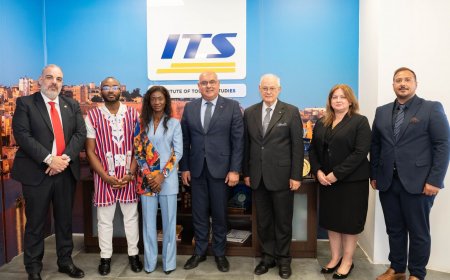
Sacramento, California: Liberia has launched an ambitious push to end its long-standing dependence on imported rice, entering a new partnership with U.S.-based agricultural experts and investors aimed at transforming the country’s farming sector.
The initiative, announced following high-level discussions in California, targets the elimination of Liberia’s estimated US$200 million annual rice import bill while building a modern, self-sufficient agricultural system.
Backed by collaboration with institutions including the University of California and the Food and Agriculture Organization, the plan combines Liberia’s land and labor potential with advanced farming technology, investment, and research expertise.
Officials say the strategy is designed to move Liberia from importing over half of its rice consumption to full self-sufficiency, with the long-term goal of becoming a regional exporter.
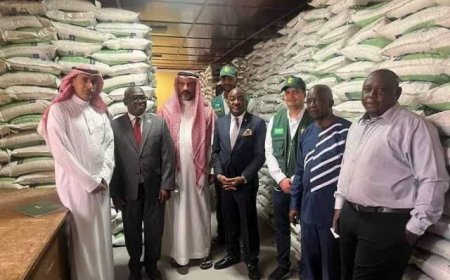
At the center of the plan are pilot projects covering 50,000 hectares of lowland farmland, where smallholder farmers will be integrated into large-scale production systems through out-grower and nucleus estate models. The approach is intended to guarantee farmers access to financing, modern equipment, and stable markets.
The partnership will also tackle long-standing barriers in the sector, including irrigation challenges, limited access to improved seeds and fertilizers, poor post-harvest systems, and lack of affordable credit.
Experts from the University of California are expected to lead technology transfer efforts, focusing on irrigation systems, soil health, plant breeding, and livestock productivity. New innovations under consideration include climate-smart crops that reduce fertilizer dependence and alternative animal feed systems to cut costs.
In addition, U.S.-based investors and agribusiness firms are being mobilized to support Liberia’s agricultural transformation, with an international investment forum scheduled for August 2026 to attract global partners.
Beyond rice production, the initiative will expand into other key sectors including cassava, maize, vegetables, cocoa, coffee, livestock, and fisheries, aligning investments with Liberia’s regional strengths.
If successfully implemented, the plan could mark a major shift in Liberia’s economy, reducing import pressure, creating jobs, and strengthening national food security. But execution remains the real test, as past agricultural reforms have struggled to deliver lasting results.
What's Your Reaction?
 Like
0
Like
0
 Dislike
0
Dislike
0
 Love
0
Love
0
 Funny
0
Funny
0
 Angry
0
Angry
0
 Sad
0
Sad
0
 Wow
0
Wow
0