



















“Don't Print Blindly” – Rep. Musa Bility Lashes Central Bank Over Plan To Print Additional Banknotes
Bility challenges CBL’s currency expansion plan as President Boakai pushes for new banknotes amid warnings of cash shortages and inflation risks.

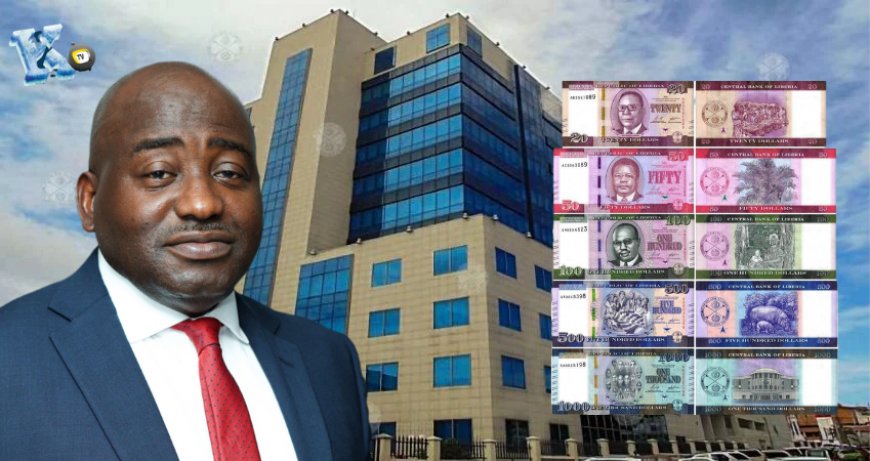
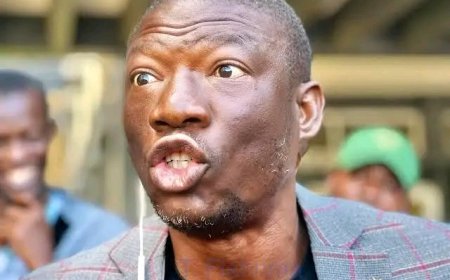
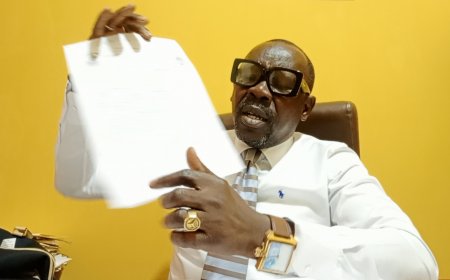
MONROVIA, LIBERIA — April 16, 2026: Citizen Movement for Change (CMC) Political Leader and Nimba County District #7 Representative Musa Hassan Bility has challenged a proposed currency expansion initiative by the Central Bank of Liberia (CBL), thereby prompting a consequential national discourse on monetary stability, inflationary risk, and fiscal responsibility.
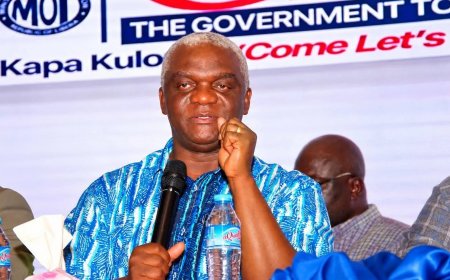
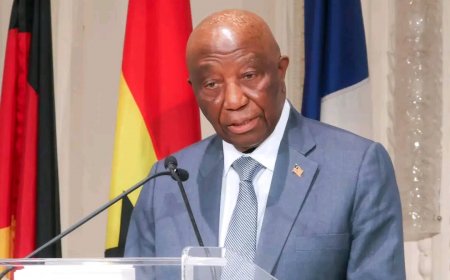
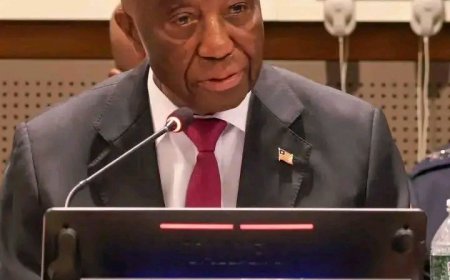
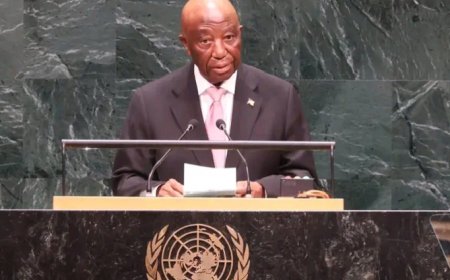
The proposal, formally advanced by President Joseph Nyuma Boakai, seeks legislative authorization for the printing of additional Liberian dollar banknotes over the 2026–2030 period, with the Central Bank warning that, absent timely intervention, the country may encounter a severe liquidity shortfall within the next two years.
In its technical submission, the CBL attributes the necessity of the initiative to several structural and economic factors, foremost among them the accelerated deterioration of existing banknotes, including the LS3 series introduced in 2021, which has reportedly been compromised by Liberia’s climatic conditions and the sustained reliance on cash-based transactions.
The Bank further contends that with projected economic growth exceeding five percent in 2026, an expansion of the money supply is essential to accommodate increased transactional demand, while concurrently facilitating a domestic gold purchase program designed to strengthen Liberia’s international reserves through strategic liquidity deployment.
Moreover, the proposal is situated within a broader policy framework aimed at gradual de-dollarization, with the objective of reducing dependence on the United States dollar by ensuring the consistent availability of Liberian dollar banknotes for routine economic activity.
Notwithstanding these justifications, Representative Bility, in a formal communication dated April 15, 2026, and addressed to House Speaker Richard Nagbe Koon, has urged the Legislature to exercise heightened scrutiny and restraint in its consideration of the request.
“I respectfully submit a formal rebuttal to the request made by the Central Bank of Liberia seeking legislative approval for the printing of additional Liberian dollar banknotes,” he asserted, characterizing the matter as one of “grave national importance” with far-reaching implications for inflation control, public confidence, and macroeconomic equilibrium.
Upon review of the proposal, Rep. Bility emphasized that it does not sufficiently satisfy the principles of prudence, transparency, and evidentiary adequacy required for a decision of such magnitude, thereby raising substantive concerns regarding both its formulation and execution.
He further highlighted specific elements of concern, including the scale of the proposed currency injection, the assumptions underpinning the Bank’s financial projections, and the incorporation of components such as gold purchase allocations and emergency procurement provisions, all of which, in his assessment, warrant rigorous examination.
In response to anticipated public and legislative apprehensions, the Central Bank has outlined a series of accountability and oversight mechanisms, including collaboration with the International Monetary Fund and technical partners such as Kroll, as well as commitments to independent audits, competitive procurement processes, and periodic public disclosures.
However, Representative Bility has maintained that such assurances, while notable, do not fully mitigate the potential for inflationary pressure or reputational risk, particularly in light of historical sensitivities surrounding currency management in Liberia.
The urgency of the proposal is further underscored by data indicating that, as of December 31, 2025, only 7.06 percent of Liberian dollar banknotes remained in reserve, a threshold the Central Bank has described as critically inadequate, compounded by global production constraints that may delay the delivery of new currency by up to twenty-four months following approval.
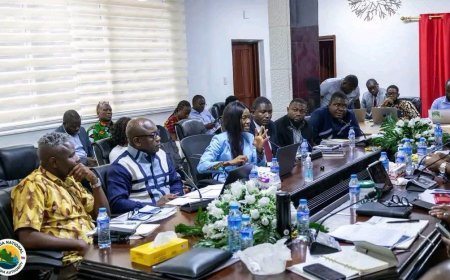
These pressing timeline has informed President Boakai’s decision to recall the 55th Legislature for a Special Session from April 9 to April 23, 2026, during which the currency proposal and the 2026 Supplementary Budget are to be deliberated concurrently.
Despite these exigencies, Bility has called upon his colleagues to resist any inclination toward expedited approval, emphasizing that decisions bearing on the integrity of the national currency must be anchored in diligence, analytical rigor, and an unwavering commitment to the public interest.
“The House must proceed with the utmost caution, responsibility, and fidelity to the national interest,” he cautioned, underscoring the imperative for comprehensive legislative oversight.
He further reiterated the necessity of disciplined and forward-looking policymaking, warning against reactive measures that may yield unintended economic consequences.
“In matters affecting the economic wellbeing of the Liberian people, we must act with discipline and foresight,” Bility affirmed, as the Legislature confronts a defining moment in the stewardship of Liberia’s monetary policy under the Boakai administration.
What's Your Reaction?
 Like
0
Like
0
 Dislike
0
Dislike
0
 Love
0
Love
0
 Funny
0
Funny
0
 Angry
0
Angry
0
 Sad
0
Sad
0
 Wow
0
Wow
0