








Who Approved the Foya Project? Boakai Says It Began Without His Knowledge
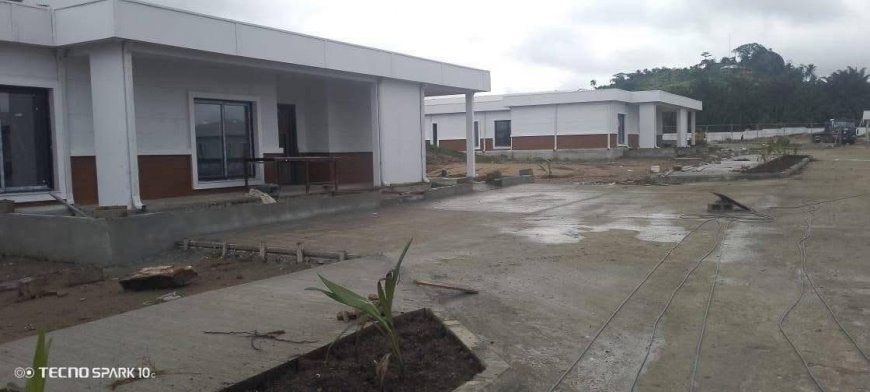
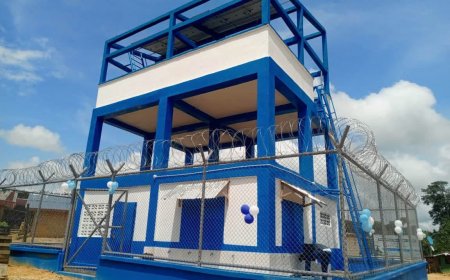
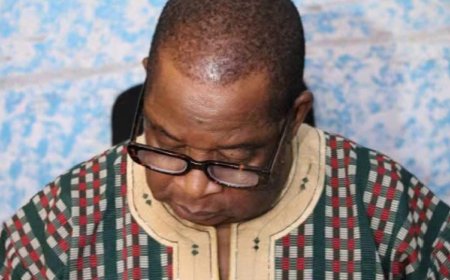
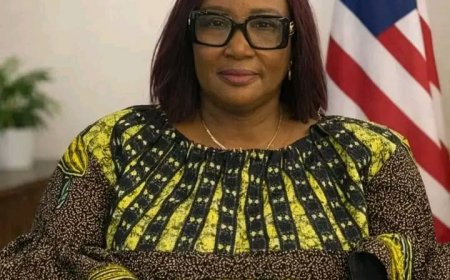
Paynesville, Liberia: President Joseph Nyuma Boakai has disclosed that the most talked-about construction project in Foya, Lofa County, began without his consent, an admission that has triggered widespread national and international concern over who authorized the development, how it is being financed, and whether proper executive oversight is being exercised under Liberia’s new administration.
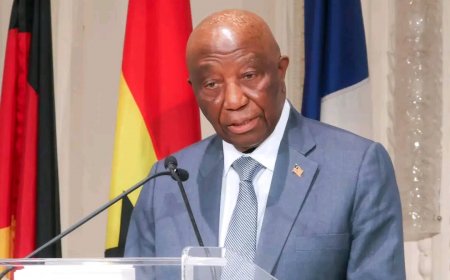
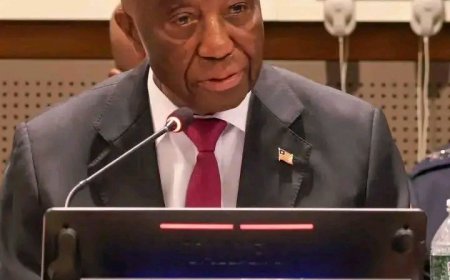
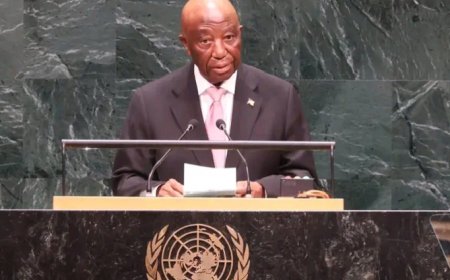
The President made the disclosure during a nationwide broadcast on the state-owned Liberia Broadcasting System (LBS), where he addressed months of public speculation surrounding the highly secured compound under construction in his hometown. Many had alleged that the project was intended to serve as a private presidential villa or future retirement home.
Boakai firmly rejected those claims, stating that he has never benefited personally from public funds and has no private interest in the project.
“I do not need a retirement home built for me with government money,” the President said. “I already have a house in Foya, and I will rebuild it myself. I have never taken public money for my personal use.”
According to President Boakai, the facility is intended to function as a regional peace and diplomacy center under the Mano River Union (MRU), which includes Liberia, Sierra Leone, Guinea, and Côte d’Ivoire. He explained that the project aligns with Liberia’s goal of promoting peace, dialogue, and conflict resolution in a region facing growing political and security challenges.
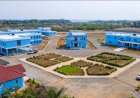
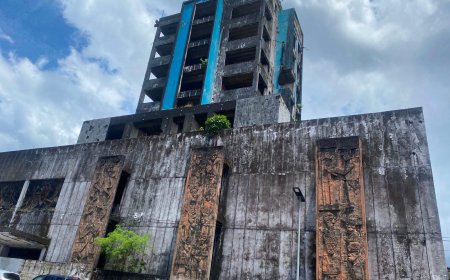
The controversy began in early September when civil society organization NAYMOTE–Liberia released aerial images showing a large, multi-structure compound being built in a remote part of Foya near Liberia’s northern border. The size of the project, combined with heavy security at the site and the absence of public documentation, immediately raised public concern.
So far, no national budget allocation, legislative approval, donor agreement, or procurement record has been publicly identified for the project, despite reports suggesting it could cost several million U.S. dollars.
Public confusion deepened as senior government officials offered conflicting explanations. The Ministry of Information initially stated that the project was funded through the MRU. That claim was later withdrawn by Deputy Information Minister Daniel Sando, who said he had misspoken. Presidential Press Secretary Kula Nyei Fofana later acknowledged that she did not have information on who authorized or financed the construction.
In his address, President Boakai admitted that the project did not initially come to his attention. Governance experts say such an admission is unusual, especially for a project of this scale located in the President’s hometown and protected by state security.
Analysts argue that a development of this magnitude would typically require clear presidential approval or, at minimum, formal executive awareness. The lack of clarity has raised questions about internal controls, decision-making authority, and accountability within the government.
The situation has revived memories of similar controversies during the administration of former President George Manneh Weah, when several major construction projects emerged without clear disclosure of funding sources. Those incidents weakened public trust and became symbols of poor accountability in a country still recovering from civil conflict, the Ebola outbreak, and ongoing economic hardship.
President Boakai, who previously served as vice president, campaigned on promises of transparency, integrity, and reform. Civil society groups now argue that those promises must be backed by clear documentation and full public disclosure regarding the Foya project.
Despite the controversy, the government maintains that the Foya facility will host high-level regional meetings and support peacebuilding efforts across the Mano River region. Officials cite ongoing border tensions and political instability in parts of West Africa as justification for such a center.
The President also compared the project to other planned national developments, including a proposed conference center in central Liberia, describing them as part of a broader effort to decentralize government infrastructure.
However, local journalists in Lofa County report restricted access to the construction site, a strong security presence, and limited information even for county officials. Civil society leaders in the region say they were not consulted and fear possible political consequences for speaking openly.
As questions continue to mount, civil society organizations, opposition figures, and political analysts are calling on the Mano River Union and the Liberian government to provide full disclosure on the project’s authorization, funding sources, and oversight mechanisms.
What's Your Reaction?
 Like
0
Like
0
 Dislike
0
Dislike
0
 Love
0
Love
0
 Funny
0
Funny
0
 Angry
0
Angry
0
 Sad
0
Sad
0
 Wow
0
Wow
0