













CENTAL Boss Defends Local Radio, Says Boakai’s Remarks Unfairly Paint Broadcasters as Abusive
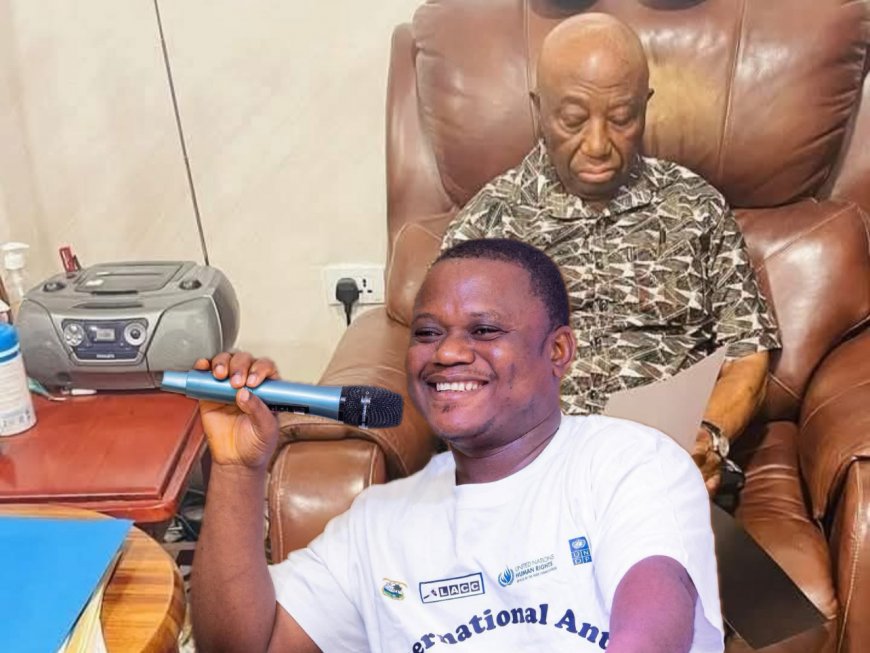
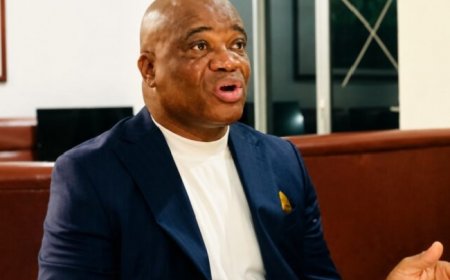
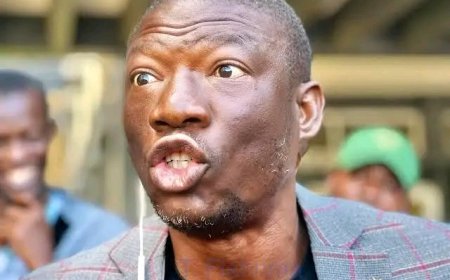
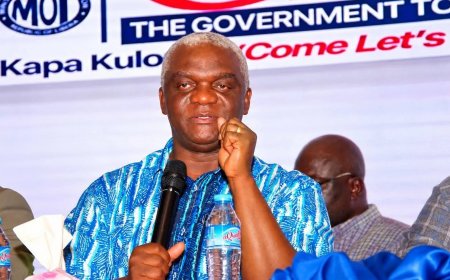
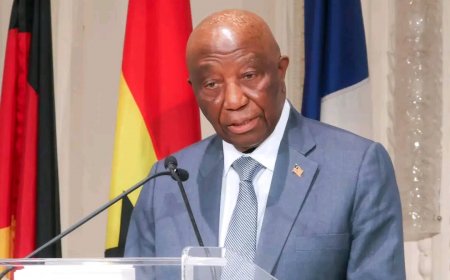
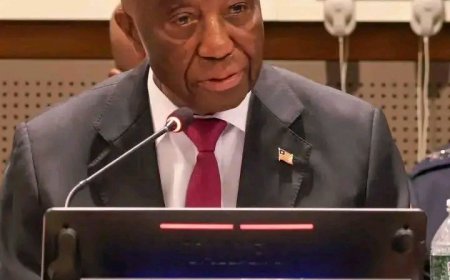
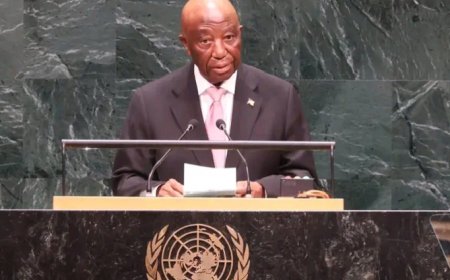
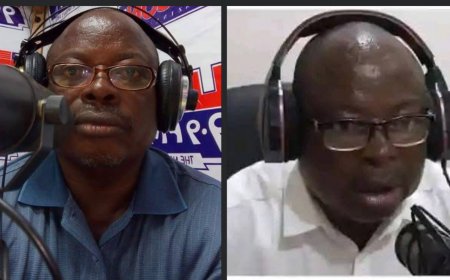
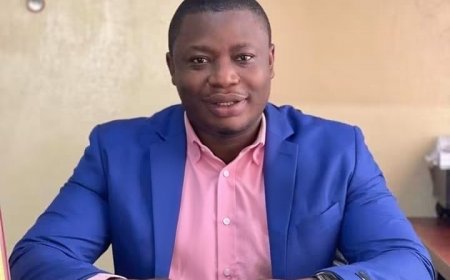
Paynesville, Liberia: The Executive Director of the Center for Transparency and Accountability in Liberia (CENTAL), Anderson D. Miamen, has publicly challenged recent remarks by President Joseph Nyuma Boakai suggesting that he avoids listening to local radio stations because they permit insults, vulgar language, and personal attacks.
President Boakai made the comments on Tuesday while speaking on state radio, ELBC, and other local stations, where he told listeners that he prefers international media outlets such as the BBC over local radio. According to the President, many Liberian radio stations allow abusive language on their platforms, which he said he rejects as part of public discourse.
While acknowledging the President’s right to choose which media platforms he listens to, Miamen strongly disagreed with the justification offered for avoiding local radio, describing it as unfair and misleading.
“I strongly disagree not with the President’s right to listen or not listen to radio but with the explanation that local stations are filled with abuses or foul language,” Miamen said. “That characterization wrongly diminishes the hard work many media managers and editors are doing to sanitize the airwaves and maintain professional standards.”
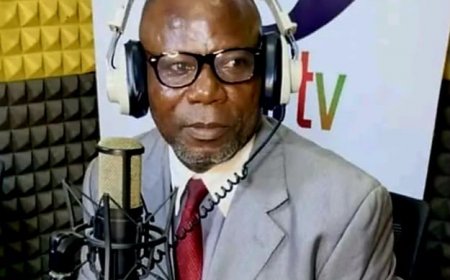
Miamen argued that several leading radio stations, including OK FM, Prime FM, ELBC, Kool and others, have consistently enforced editorial controls to prevent insults and offensive language. He noted that callers who violate broadcasting standards are often warned, rebuked, or cut off mid-program.
“You cannot use a few bad apples to describe the entire radio sector,” he said. “Which abusive language do these high-performing stations allow?”
The CENTAL boss further questioned the consistency of the President’s position, pointing out that the same radio stations now being criticized were widely used by Boakai in the past, including during the just-ended elections and even during his recent public address.
“Were these stations abusive when the President used them extensively during the campaign? Were they abusive when he used them effectively today to communicate with the public?” Miamen asked.
He stressed that while the President is fully entitled to his personal media preferences, it is troubling for a sitting president to disengage from radio, which remains Liberia’s most accessible and influential medium for public participation and feedback.
“It is problematic for the President to say he does not listen to radio at all,” Miamen said. “Radio is arguably the leading platform through which ordinary Liberians engage their leaders, express concerns, and provide feedback on governance.”
Miamen warned that avoiding radio will not resolve concerns about abusive language. Instead, he called for a collaborative approach involving government institutions, the Press Union of Liberia (PUL), media owners, station managers, and civil society organizations.
“Boycotting radio stations will not solve the problem,” he said. “What is needed are inclusive and practical measures working together to strengthen standards, enforce ethics, and promote responsible speech.”
He concluded by urging the Boakai administration to see the media not as a problem to avoid, but as a critical partner in governance, accountability, and democratic engagement.
What's Your Reaction?
 Like
0
Like
0
 Dislike
0
Dislike
0
 Love
0
Love
0
 Funny
0
Funny
0
 Angry
0
Angry
0
 Sad
0
Sad
0
 Wow
0
Wow
0