







Boakai Confronts Infrastructure Failure, Demands National Reset at Infrastructure Conference in Ganta
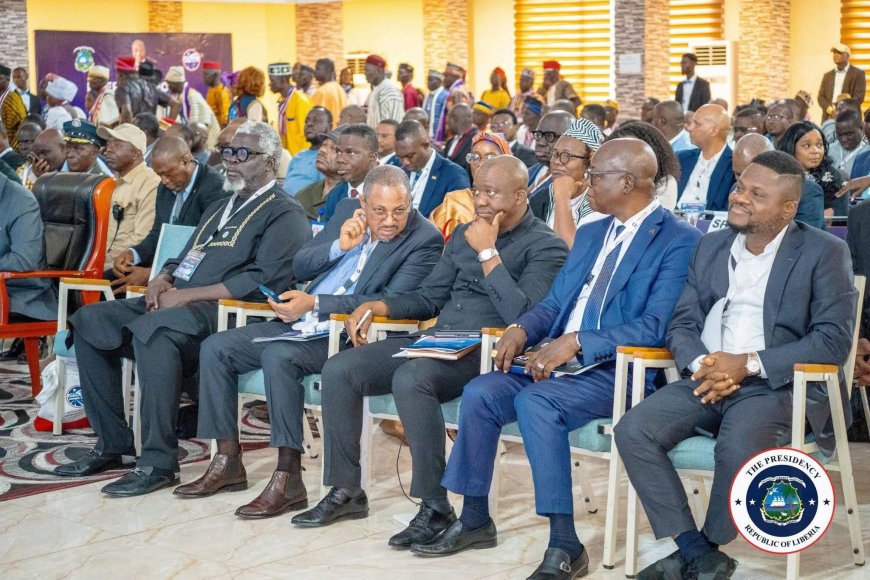
Ganta Nimba County, Liberia: President Joseph Nyuma Boakai, Sr., has challenged Liberians to make quality infrastructure a national priority, warning that without modern, resilient systems, Liberia’s economic growth and social progress will remain stalled.
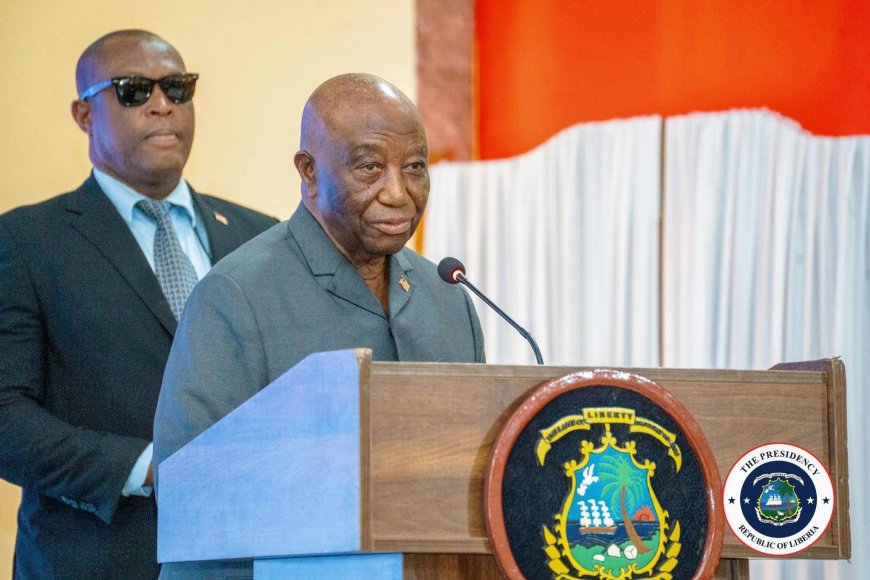
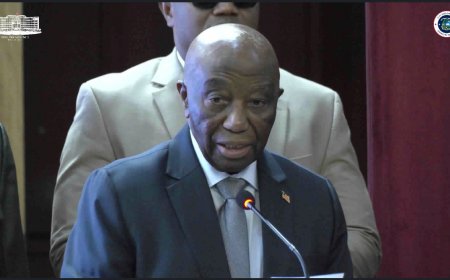
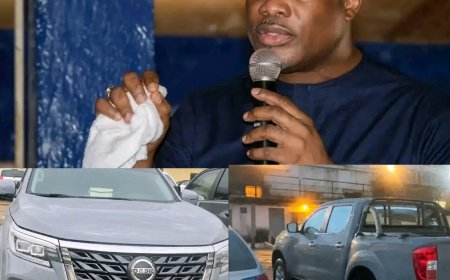
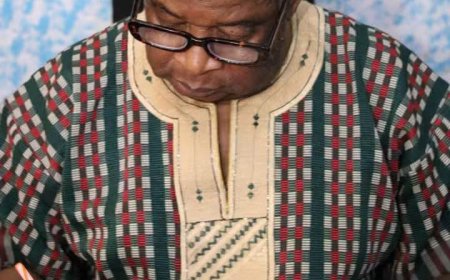
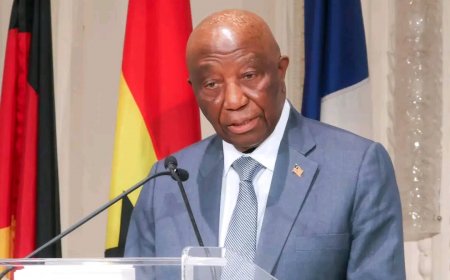
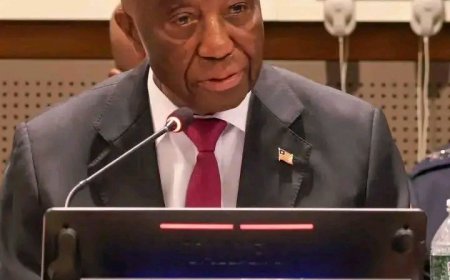
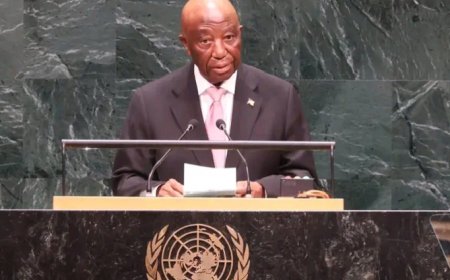
President Boakai Speaking Monday at the opening of the National Infrastructure Conference in Gompa City, Nimba County,
Speaking Monday at the opening of the National Infrastructure Conference in Gompa City, Nimba County, President Boakai described infrastructure as the backbone of national prosperity and inclusive development.
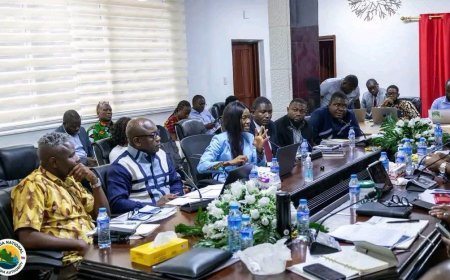
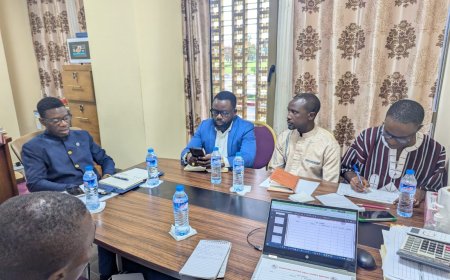
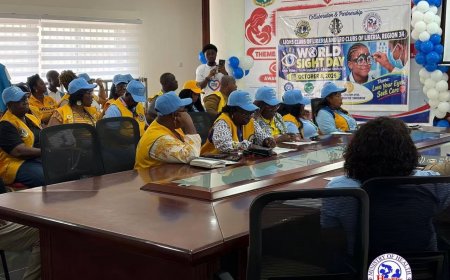
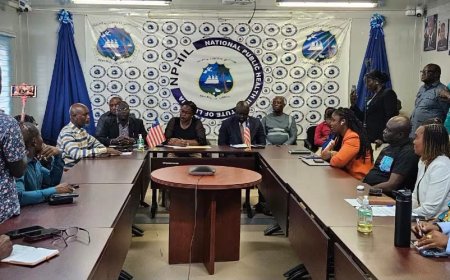
The conference brings together policymakers, planners, engineers, and development partners to rethink Liberia’s infrastructure planning and delivery.
“We must build back and build better,” President Boakai said. “The infrastructure we build today must compete with the rest of the world, withstand climate change, create jobs, grow industry, stimulate enterprise, and promote equitable growth.”
He stressed that infrastructure development must be deliberate, coordinated, and aligned with international standards rather than fragmented, short-term projects.
Quoting former U.S. President John F. Kennedy, Boakai said, “American roads are not good because America is rich; America is rich because American roads are good.” He added that Liberia’s path to prosperity lies in a similar commitment to building and maintaining quality infrastructure.
President Boakai said the National Infrastructure Conference aligns with his Administration’s ARREST Agenda and broader global development frameworks, including Africa’s Agenda 2063 and the Sustainable Development Goals.
He urged Liberians to embrace innovation and modern technology in infrastructure planning to meet both present needs and future demands.
“The moment demands readiness of our institutions, our policies, and our leadership,” he said, describing the conference as a national call to action.
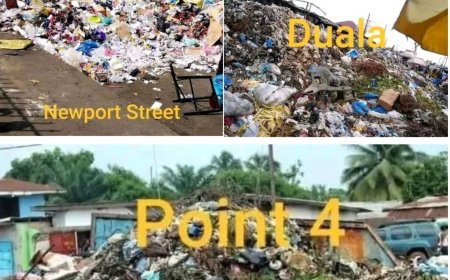
The President explained that the conference was conceived nearly two years ago out of concern over the visible deterioration of Liberia’s infrastructure, much of it a legacy of years of civil conflict.
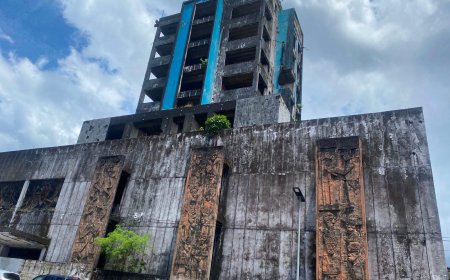
“Roads are deteriorated, public buildings have decayed, electricity has been unreliable, and access to safe water, sanitation, and adequate housing remains limited,” he acknowledged, noting that these conditions have placed daily hardship on citizens and slowed economic growth.
President Boakai emphasized that infrastructure should not be viewed merely as physical structures but as systems that shape opportunity and dignity.
“We should see roads and bridges beyond concrete and steel,” he said. “They are lifelines that shape productivity, national confidence, and opportunity.”
He noted that while the scars of Liberia’s civil war remain visible in damaged infrastructure, they also present an opportunity to rebuild smarter and stronger.
“Rebuilding infrastructure is also an act of national healing,” the President said.
Government Funding Is Not Enough” Ghana Works Minister Kenneth Gilbert Adjei Tells Liberia
Delivering the keynote address, Ghana’s Minister of Works, Water and Natural Resources, Kenneth Gilbert Adjei, said the development of modern infrastructure cannot depend solely on government financing.
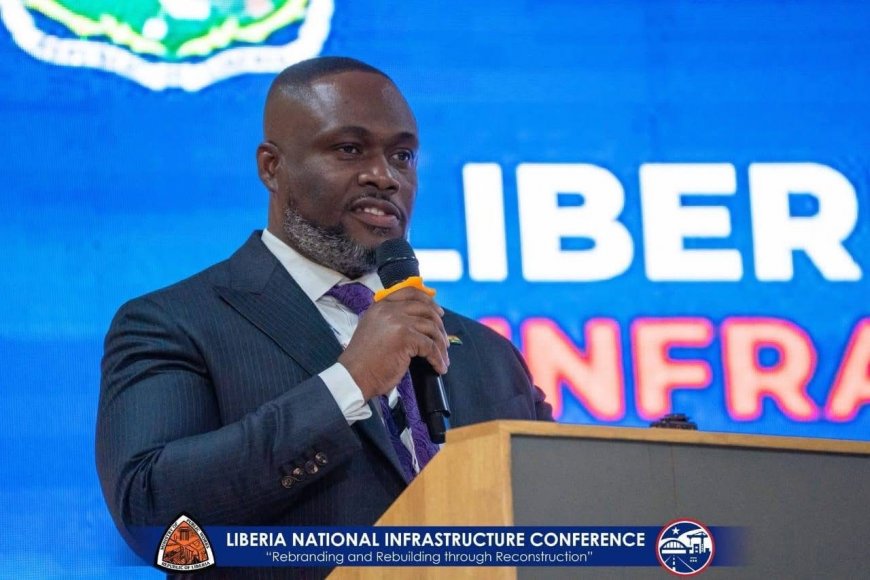
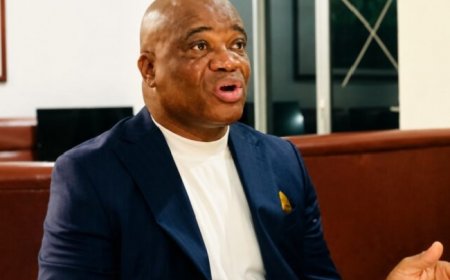
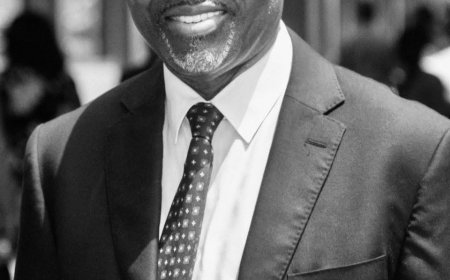
Ghana’s Minister of Works, Water and Natural Resources, Kenneth Gilbert Adjei.
According to the Ghanaian Minister, countries must increasingly leverage public-private partnerships to bridge infrastructure gaps and meet growing development demands.
“No government can fund its infrastructure needs alone,” Minister Adjei said, adding that attracting private sector investment is critical to delivering sustainable, high-quality infrastructure.
He further underscored the importance of regional cooperation and knowledge-sharing, noting that African countries can learn from each other’s successes and failures in infrastructure planning and execution.
Minister Adjei said infrastructure is essential for rebuilding economies, restoring public trust, and driving post-war recovery. Drawing on Ghana’s experience, he emphasized the need for public-private partnerships, solid planning, transparent procurement, and consistent policies.
He also reaffirmed Ghana’s commitment to supporting Liberia’s reconstruction and long-term development.
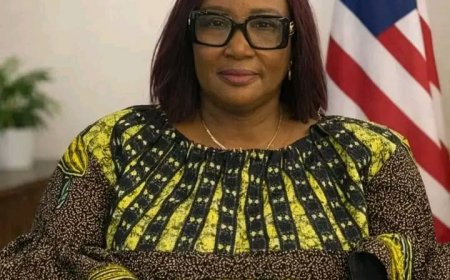
For his part, Liberia’s Minister of Public Works, Roland Layfette Giddings, praised President Boakai for the initiative, describing the conference as timely and forward-looking.
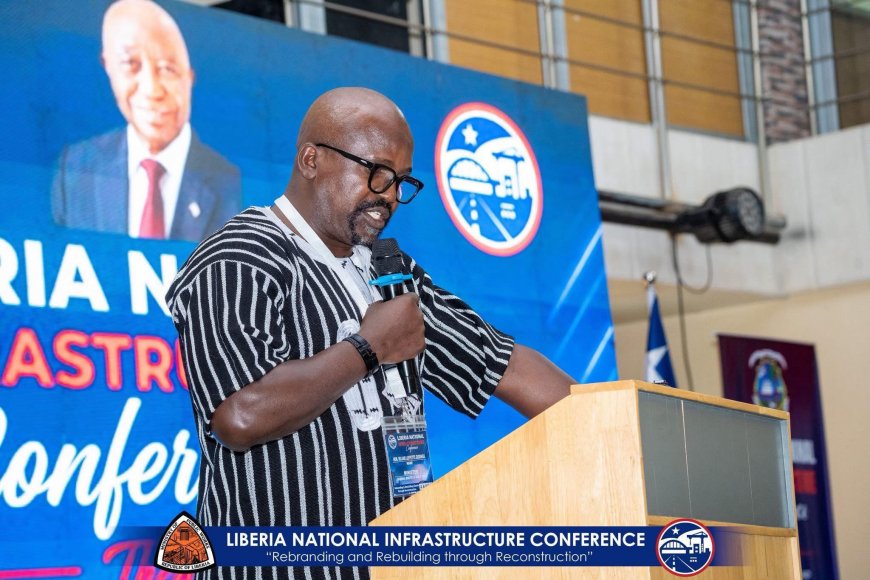
Liberia’s Minister of Public Works, Roland Layfette Giddings
Minister Giddings reaffirmed his Ministry’s unwavering commitment to transforming Liberia’s infrastructure landscape through improved planning, innovation, and accountability.
The National Infrastructure Conference is part of the Government of Liberia’s broader effort to reassess the country’s infrastructure development across different historical periods pre-war, during the civil conflict, and post-war reconstruction with the aim of charting a more sustainable path forward.
The conference continues today with Day Two activities, featuring panel discussions on three key thematic areas: Energy, Telecommunications, and Water & Sanitation.
What's Your Reaction?
 Like
0
Like
0
 Dislike
0
Dislike
0
 Love
0
Love
0
 Funny
0
Funny
0
 Angry
0
Angry
0
 Sad
0
Sad
0
 Wow
0
Wow
0