

































ECOWAS Approves Major Reform to Eliminate Air Ticket Taxes Across West Africa
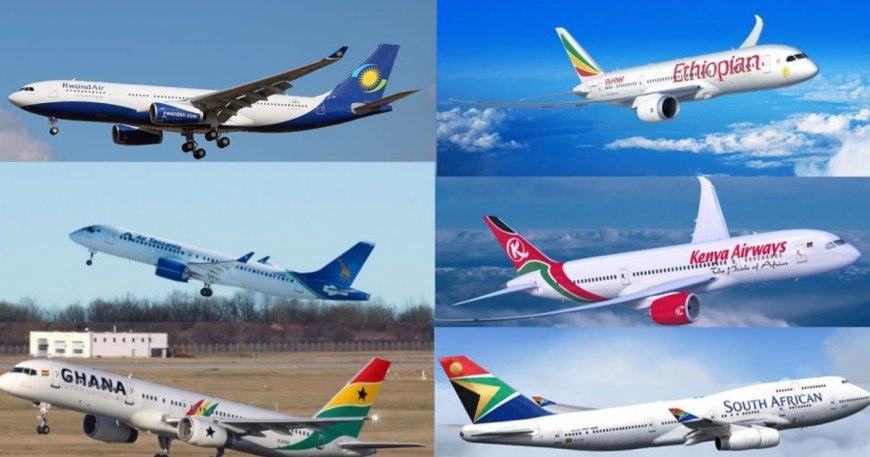
Abuja, West Africa: The Economic Community of West African States (ECOWAS) has announced that all air ticket taxes across the region will be removed starting 1 January 2026, marking one of the bloc’s most far-reaching transport reforms in years.
ECOWAS has endorsed a groundbreaking policy that will scrap every air ticket tax within West Africa beginning in 2026.
The initiative is intended to reduce some of the continent’s highest airfare prices and improve regional mobility. Officials say the removal of these taxes is expected to stimulate demand, encourage trade, and make airlines more competitive. The Commission is already coordinating with carriers to ensure the cost savings are passed on to travellers.
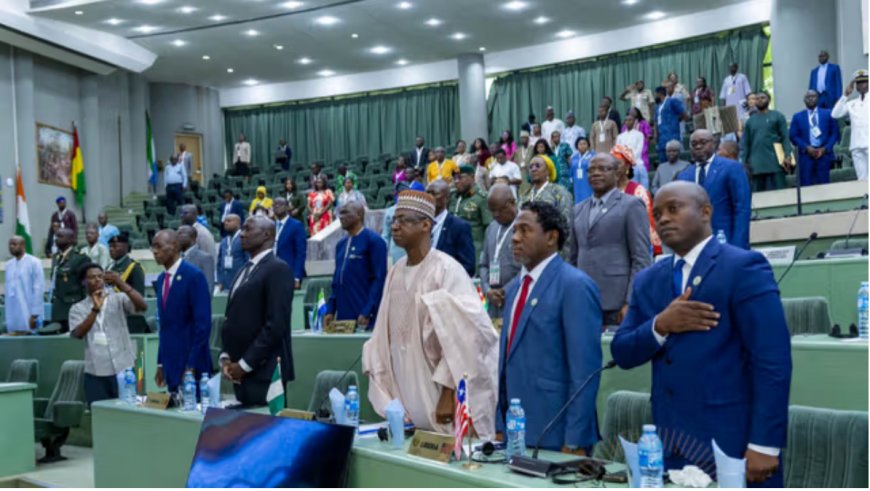
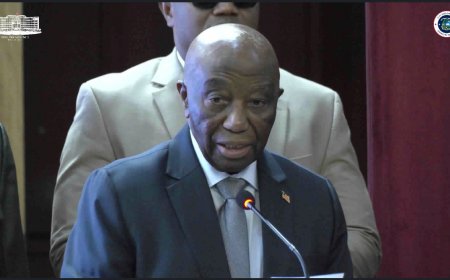
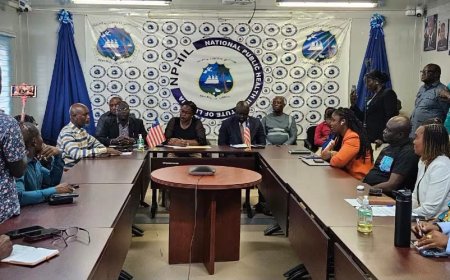
During a media briefing in Abuja, the ECOWAS Commission’s Director of Transport and Telecommunications, Chris Appiah, confirmed the decision.
He explained that extensive studies consistently show West Africa as the most expensive region for air travel in Africa mainly because of government taxes and aviation-related fees.
According to Appiah, some of these taxes violate International Civil Aviation Organisation (ICAO) standards and suppress the market instead of supporting its growth. Four major levies such as the commonly used security tax have no real link to aviation services and will be scrapped entirely.
Mandate from ECOWAS Leaders
The move follows directives issued at the 2023 ECOWAS Summit in Abuja. A supplementary act adopted in December 2024 requires member states to remove air-travel taxes and reduce aviation charges by 25% starting in 2026.
Appiah highlighted that current ticket prices create severe obstacles for ordinary passengers and small businesses.
For example, he said, travellers on a typical Lagos–Dakar route may pay around $3,000, much of which consists of taxes.
Expected Benefits for the Region
ECOWAS believes that removing these charges will bring down fares, increase passenger numbers, and ultimately boost government earnings as more people fly.
The Commission is also working directly with airlines to ensure that lower taxes lead to genuinely cheaper tickets.
Appiah added that the reform will enhance the competitiveness of West African airlines, which currently face operating costs up to 67% higher than carriers in other African regions. He emphasised that improved connectivity will benefit tourism, trade, education, healthcare, and many other sectors that rely on air transport.
What's Your Reaction?
 Like
0
Like
0
 Dislike
0
Dislike
0
 Love
0
Love
0
 Funny
0
Funny
0
 Angry
0
Angry
0
 Sad
0
Sad
0
 Wow
0
Wow
0