
































EPA Shut Down Multiple Mineral Water Factories Over Regulatory Breaches

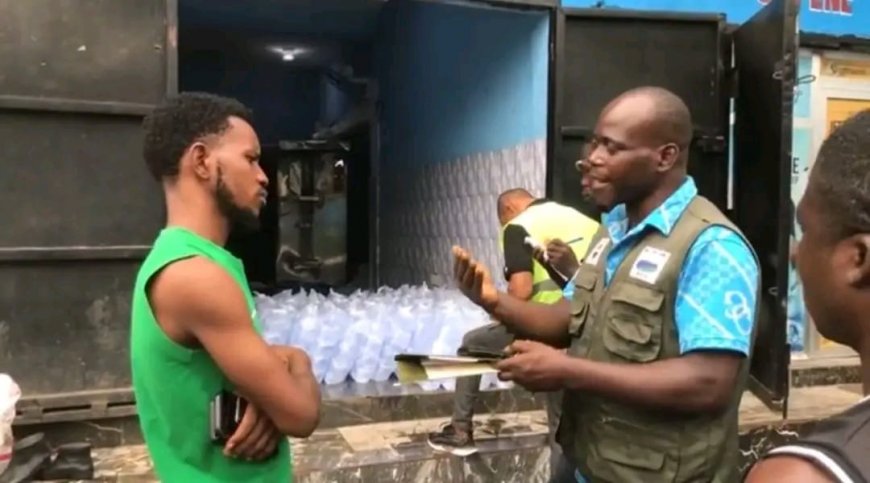
MONROVIA, LIBERIA: The Environmental Protection Agency (EPA) of Liberia has launched a major crackdown in Monrovia, shutting down non-compliant Mineral Water Factories in keeping with environmental standards.
The operation on Tuesday, January 20, 2026, was led by the Inspectorate Division of the EPA.
The Gboni Mineral Water, Krou Tou Mineral Water, Jafene, and Jan’s Spring in Monrovia were ordered closed for what EPA Inspectors attributed to improper waste disposal and unhygienic production environments.
According to the Liberia Environment Protection Agency, the acts violate the minimum environmental and hygiene standards required for operation and threaten underground water sources generation.
The shut down of the Mineral Water Factories have raised serious concerns about public health and safety of mineral water consumed by thousands of Liberians on a daily basis.
“This action is about protecting lives,” an EPA official said during the inspection exercise. “Water is a basic necessity, and we will not allow companies to endanger public health or pollute the environment in the pursuit of profit.”
The crackdown comes amid growing public concern over the safety of sachet and bottled water sold on the Liberian market. Consumers have repeatedly questioned whether some products meet minimum safety requirements.
Reports of poorly treated water and unsafe production rooms have also intensified pressure on regulators to act decisively.
“Some of the conditions we observed are unacceptable and pose a direct risk to consumers,” another EPA inspector disclosed. “Until these companies meet the required standards, they will remain closed.”
The EPA emphasized that the enforcement exercise will take effect across Monrovia and later be extended to other parts of the country.
The Agency warned that more closures and penalties are likely to be issued as inspections continue.
“This is a nationwide compliance drive,” the Agency stressed in a statement. “Any company found violating environmental laws will face immediate enforcement actions, including closure.”
According to the Environmental Regulatory body, the move is not intended to cripple businesses but to ensure a clean environment, protect vital water sources from contamination, and prevent potential public health crisis.
What's Your Reaction?
 Like
0
Like
0
 Dislike
0
Dislike
0
 Love
0
Love
0
 Funny
0
Funny
0
 Angry
0
Angry
0
 Sad
0
Sad
0
 Wow
0
Wow
0