






























Lawmakers Push to Criminalize Gender-Targeted Digital Abuse

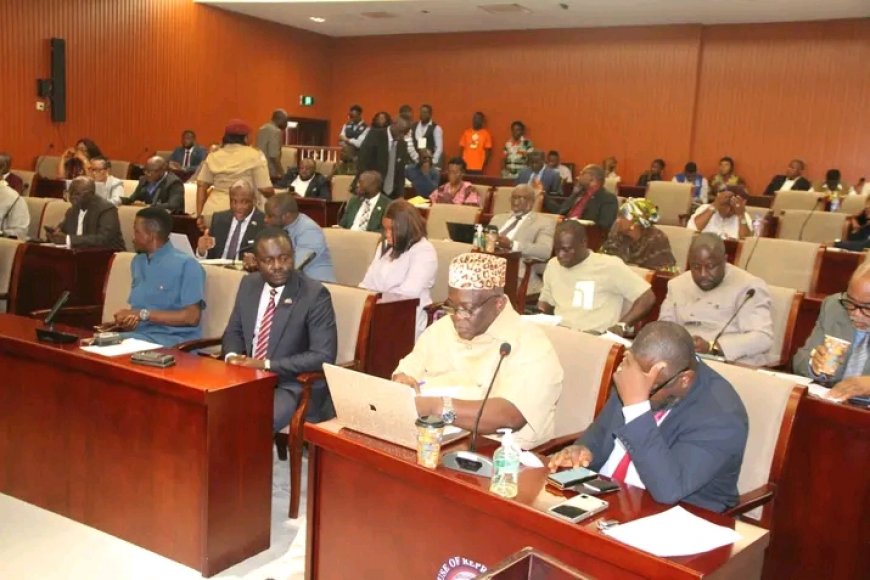
The House of Representatives is scrutinizing a bill seeking to amend the Kamara Abdullah Kamara Press Freedom Act and include provisions that would criminalize gender-based harassment online, especially against women and girls.
In 2019, the Liberian government signed the Kamara Abdullah Kamara Press Freedom Act into law, decriminalizing libel and slander offenses as well as malevolence.
The proposed amendment is currently under review by the House's Joint Committees on Information, Broadcasting, and Judiciary. The bill is titled "Protection from Gender-Based Online Abuse Amendment Act of 2026."
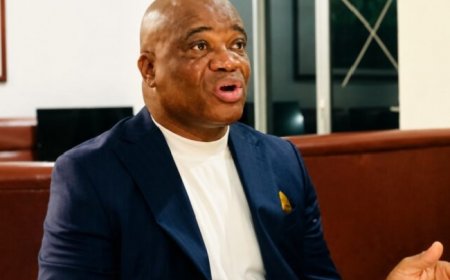
The bill was introduced by Nimba County District #2 Representative Nyahn Flomo, who stated that it aims to address “the alarming rise in vulgar, profane, and insulting language across digital platforms.”
Representative Flomo emphasized the importance of striking a balance between rights and responsibilities. He explained that while the laws of Liberia guarantee freedom of expression, this right should not be used to harm others, particularly women and girls.
He also emphasized that the proposed amendment is rooted in constitutional principles, underscoring that equal protection under the law must be maintained. "Digital spaces that have become breeding grounds for targeted abuse and harmful speech,” the lawmaker said.
He said the bill seeks to establish “clear legal definitions of profanity, obscenity, and verbal abuse,” along with penalties that could include fines and imprisonment for offenders.
Concerns about digital platform abuse and free speech have grown recently. Another notable voice opposing the act is former Liberian President Ellen Johnson Sirleaf.
She has called for clear standards to be established for freedom of expression, warning that abuse of free speech and online platforms threatens social stability and national cohesion.
If enacted, the bill will strengthen Liberia’s overall legal framework, complement existing cybercrime laws, and align the country with international commitments to protect women’s rights and promote responsible digital engagement.
What's Your Reaction?
 Like
0
Like
0
 Dislike
0
Dislike
0
 Love
0
Love
0
 Funny
0
Funny
0
 Angry
0
Angry
0
 Sad
0
Sad
0
 Wow
0
Wow
0