















House Greenlights ArcelorMittal Deal After Heated Scrutiny, Declares Third Amendment a “Win for Liberia”

Capitol Hill, Liberia: After years of contention, rejection, and renegotiation, the House of Representatives has approved the Third Amendment to the ArcelorMittal Liberia (AML) Mineral Development Agreement, marking what lawmakers describe as a turning point in Liberia’s control over its strategic resources.
The decision came Tuesday following intense plenary debate and the adoption of a detailed report from a powerful Joint Committee, which concluded that the amended agreement places national interest above corporate convenience.
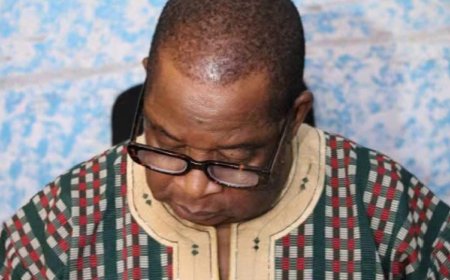
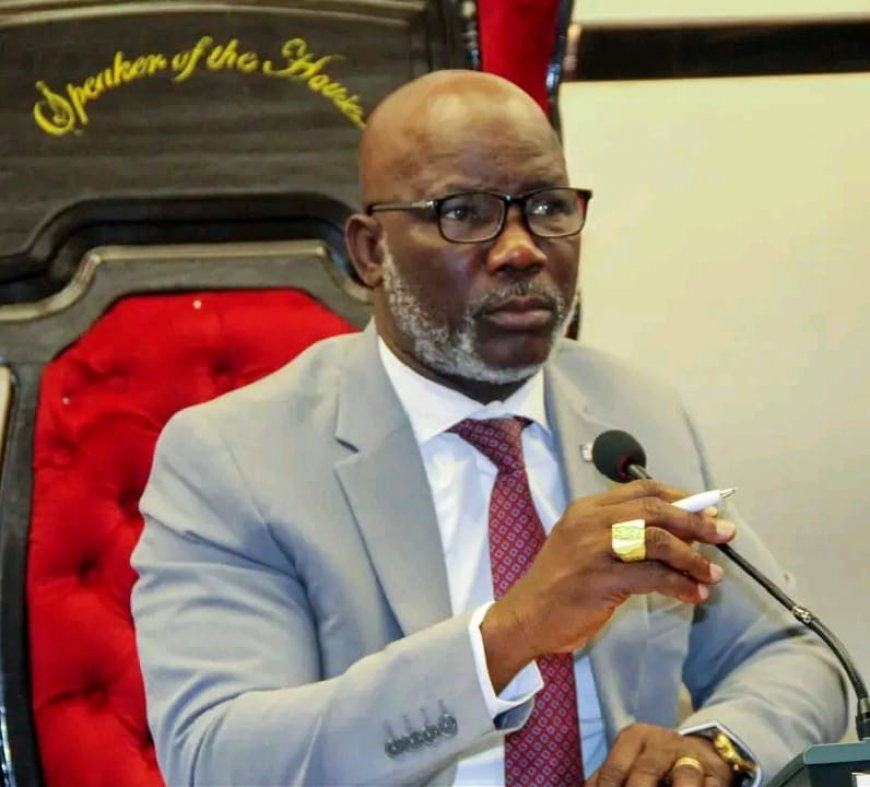
Presenting the report, Joint Committee Chair Rep.
Foday E. Fahnbulleh told Plenary that the revised deal reflects “hard lessons learned” from earlier failures and responds directly to public demands for accountability, ownership, and fair economic returns.
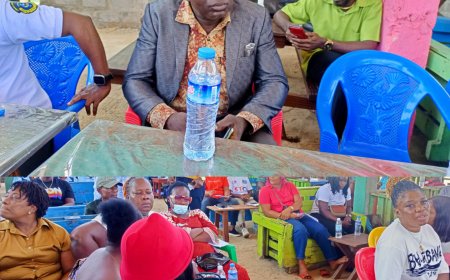
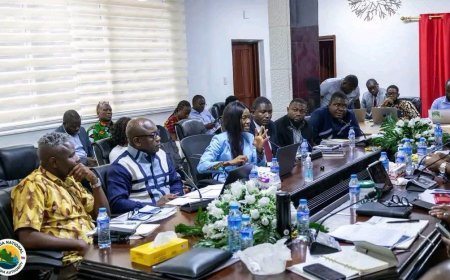
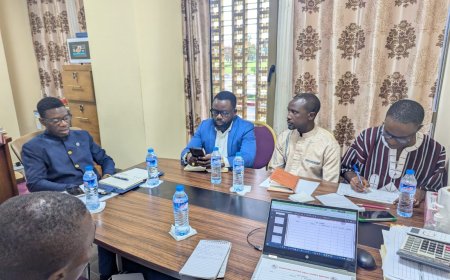
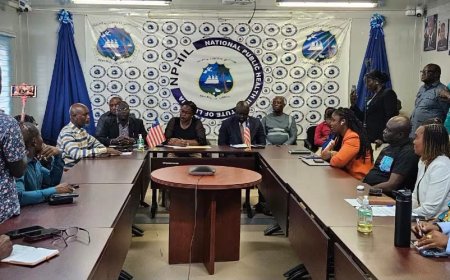
The approval followed a four-hour public hearing held on Monday, January 19, 2026, at the Capitol Building, where government negotiators were subjected to rigorous questioning over revenue projections, infrastructure control, labor protections, and environmental safeguards.
Senior officials of the Inter-Ministerial Concessions Committee (IMCC) including representatives from the Ministries of Mines and Energy, Justice, Finance and Development Planning, Labor, the National Investment Commission, and other institutions defended the amendment, insisting it corrects long-standing weaknesses in the previous agreement.
Lawmakers recalled that an earlier version of the agreement was flatly rejected in March 2022, forcing the Government of Liberia and ArcelorMittal into renewed negotiations that began in 2020 and stretched across multiple administrations and legislatures.
According to the Joint Committee, those negotiations yielded a markedly stronger framework one that secures government ownership of rail and port infrastructure, introduces Rail System Operating Principles (RSOP) to open the corridor to multiple users, and tightens enforcement provisions long demanded by citizens.
The amended agreement promises immediate financial inflows, including a US$200 million signature bonus, alongside recurring revenues such as increased royalties, higher mining license fees, and a US$5 million annual Community Development Fund.
Beyond cash, lawmakers emphasized gains in Liberianization, with mandatory increases in Liberian participation at professional and managerial levels, as well as commitments to scholarships, vocational training centers, and annual workforce development programs.
Infrastructure upgrades ranging from rail rehabilitation and road paving to bridge repairs were cited as strategic benefits, along with guaranteed third-party access to the rail system to support broader economic activity.
Environmental safeguards also feature prominently, including stricter water-use protections and annual contributions to the Liberia Water and Sewer Corporation.
The Joint Committee acknowledged that no concession agreement is flawless but concluded that the Third Amendment strikes a careful balance between investor returns and Liberia’s long-term sovereignty over its natural resources.
Following hours of spirited debate, Plenary voted overwhelmingly to adopt the committee’s report and passed the amendment without reservation, setting the stage for the next phase of legislative approval.
The agreement has now been transmitted to the Liberian Senate for concurrence, where it is expected to face equally close scrutiny.
For supporters, the House’s action signals a new posture one in which Liberia negotiates not from desperation, but from strength.
What's Your Reaction?
 Like
0
Like
0
 Dislike
0
Dislike
0
 Love
0
Love
0
 Funny
0
Funny
0
 Angry
0
Angry
0
 Sad
0
Sad
0
 Wow
0
Wow
0