









Liberia, UN Women Renew Calls to End Female Genital Mutilation

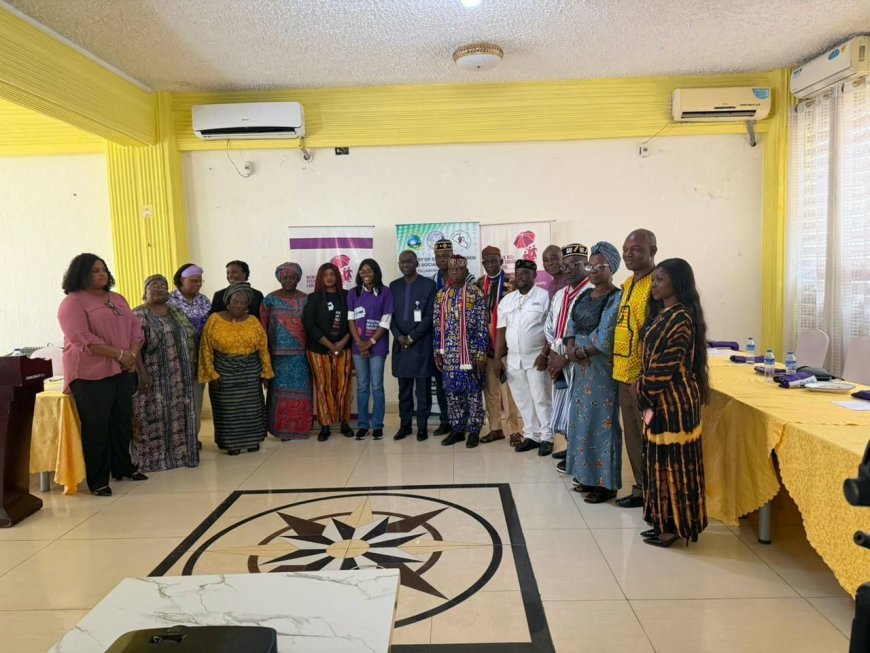
MONROVIA, LIBERIA: The government of Liberia, in partnership with the United Nations and civil society organizations, has reiterated calls for robust steps to end Female Genital Mutilation (FGM) in Liberia.
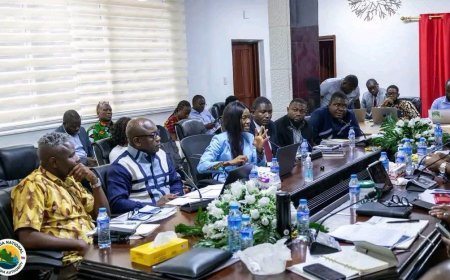
As calls intensify to end FGM, government officials, civil society actors, development partners, traditional leaders, and other key stakeholders gathered in observance of this year's International Day of Zero Tolerance for Female Genital Mutilation, commemorated on February 6 each year.
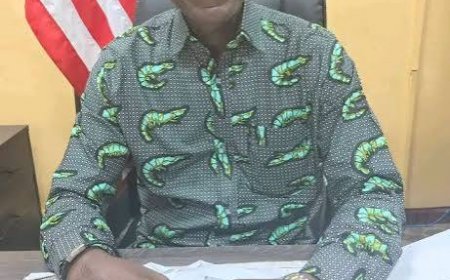
Speaking at the event in Monrovia, the Deputy Minister for Gender at the Ministry of Gender, Children and Social Protection, Atty. Laura Golakey, told the high-level gathering that ending FGM requires national investment, unity, and decisive action, and stressed that the issue transcends politics.
“Female Genital Mutilation is not politics. It is about people’s lives. It is about the health, dignity, and future of Liberian girls,” Atty. Golakey said.
She revealed that the government of Liberia has committed to reducing violence against women and girls by 50 percent by 2029, noting that achieving this goal will require stronger laws, improved prevention efforts, and effective support systems for survivors.
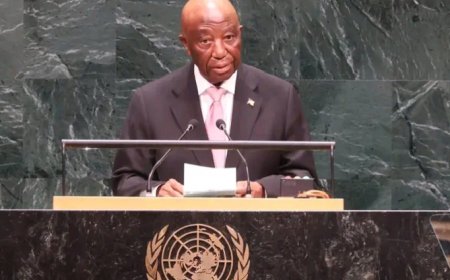
The Deputy Gender Minister also highlighted Liberia’s commitment at the United Nations General Assembly, where President Joseph Boakai reaffirmed the country’s position on criminalizing harmful traditional practices, including Female Genital Mutilation.
She urged lawmakers to swiftly ensure the passage of a bill currently before them seeking to ban harmful traditional practices, which was submitted in 2025 by President Boakai.
The bill is titled "An Act to Ban Harmful Cultural Practices in Liberia" (also referred to as the Women and Girls Protection Act of 2025).
Atty. Golakey stated: “This issue is bigger than politics. This is about protecting Liberian girls. The time to act is now,” she stressed. “To end FGM and gender-based violence, it will take Liberians including lawmakers, traditional and community leaders, parents, and young people — speaking up.”
Also participating, UN Women Deputy Representative Madam Yemi Falayajo, delivering remarks on behalf of UN Women Liberia Country Representative Madam Comfort Lamptey, noted that while progress has been made, the fight against FGM remains fragile.
Madam Falayajo cited reports that more than 230 million girls and women globally are victims of FGM, with about 4 million girls at risk every year, with many under the age of five.
She referenced the 2023 proclamation by the National Council of Chiefs and Elders of Liberia, which formally banned FGM nationwide, describing it as a major milestone in aligning traditional authority with human rights.
Madam Falayajo called on the National Legislature to enact the Women and Girls Protection Act of 2025, emphasizing that ending FGM requires collective efforts.
She also expressed concern over reports of bush schools' reopening and graduation ceremonies, warning that gains made could be reversed without sustained vigilance. “FGM is deeply rooted in cultural identity, and the fight remains fragile,” she said.
The International Day of Zero Tolerance for Female Genital Mutilation is observed annually to raise awareness and mobilize action toward ending harmful practices against girls and women worldwide.
What's Your Reaction?
 Like
0
Like
0
 Dislike
0
Dislike
0
 Love
0
Love
0
 Funny
0
Funny
0
 Angry
0
Angry
0
 Sad
0
Sad
0
 Wow
0
Wow
0