





















Senate Initiates Scrutiny of US$1.2 Billion 2026 Fiscal Year Draft National Budget
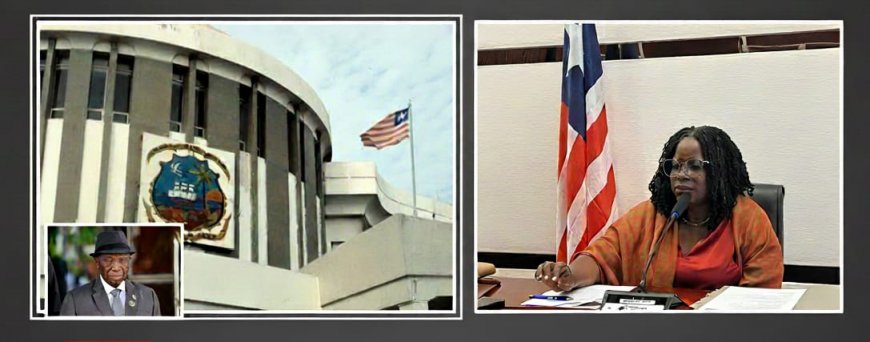
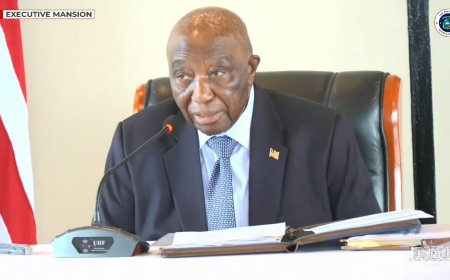
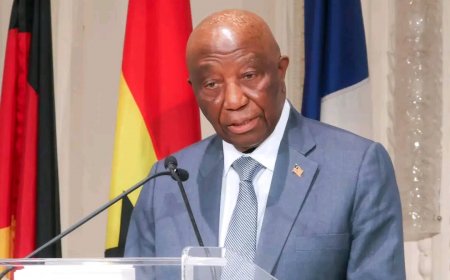
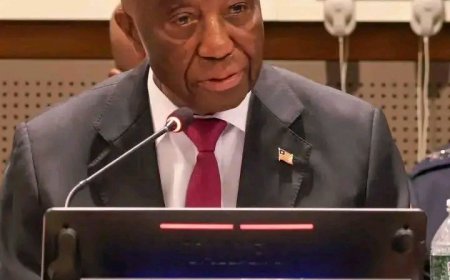
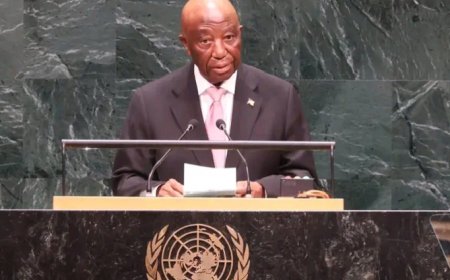
CAPITOL HILL, MONROVIA: The Plenary of the Liberian Senate has mandated its Committee on Ways, Means, Finance, and Budget to commence independent scrutiny of the US$1.2 billion Draft National Budget for Fiscal Year 2026, following a formal submission from President Joseph Nyuma Boakai, signaling the administration’s fiscal readiness and legislative engagement for the upcoming financial year.
The draft budget, officially presented during the Senate’s 49th Day Sitting of the 2nd Session of the 55th Legislature on Tuesday, November 11, 2025, represents a central instrument of national planning, defining the government’s financial vision and policy priorities for 2026.
The Senate’s referral of the document to its relevant committee underscores its constitutional duty to exercise fiscal oversight and ensure accountability in public expenditure.
The Committee on Ways, Means, Finance, and Budget now bears the responsibility to dissect every revenue and expenditure line, conduct consultations with relevant ministries and agencies, and submit a comprehensive report for plenary consideration.
President Boakai’s communication described the 2026 Draft Budget as a reflection of the government’s continuous focus on economic recovery, inclusive growth, and poverty reduction, while reinforcing national investments in agriculture, education, healthcare, infrastructure, energy, and governance.
According to the breakdown, domestic revenue account for US$1.13 billion, representing 94 percent of the total, while external resources constitute US$72 million or 6 percent, highlighting the administration’s shift toward internal revenue generation. A signature bonus of US$200 million from the ArcelorMittal agreement further strengthens the fiscal outlook.
Under the Public Sector Investment Plan, an allocation of US$280 million is earmarked for infrastructure, human capital development, and priority growth projects, establishing a foundation for tangible development impact and service delivery expansion across key sectors.
Spending priorities outlined in the draft show US$132.9 million allocated for education, US$133 million for infrastructure, roads, and energy, and US$230 million for debt servicing, reflecting an approach focused on stability, sustainability, and developmental balance.
With legislative scrutiny underway, the Senate Committee on Ways, Means, Finance, and Budget is expected to ensure that the allocations align with national priorities, enforce fiscal discipline, and strengthen accountability.
What's Your Reaction?
 Like
0
Like
0
 Dislike
0
Dislike
0
 Love
0
Love
0
 Funny
0
Funny
0
 Angry
0
Angry
0
 Sad
0
Sad
0
 Wow
0
Wow
0