


































House Weighs National Pay Cap for County Councils as Lawmakers Warn of Growing Inequality

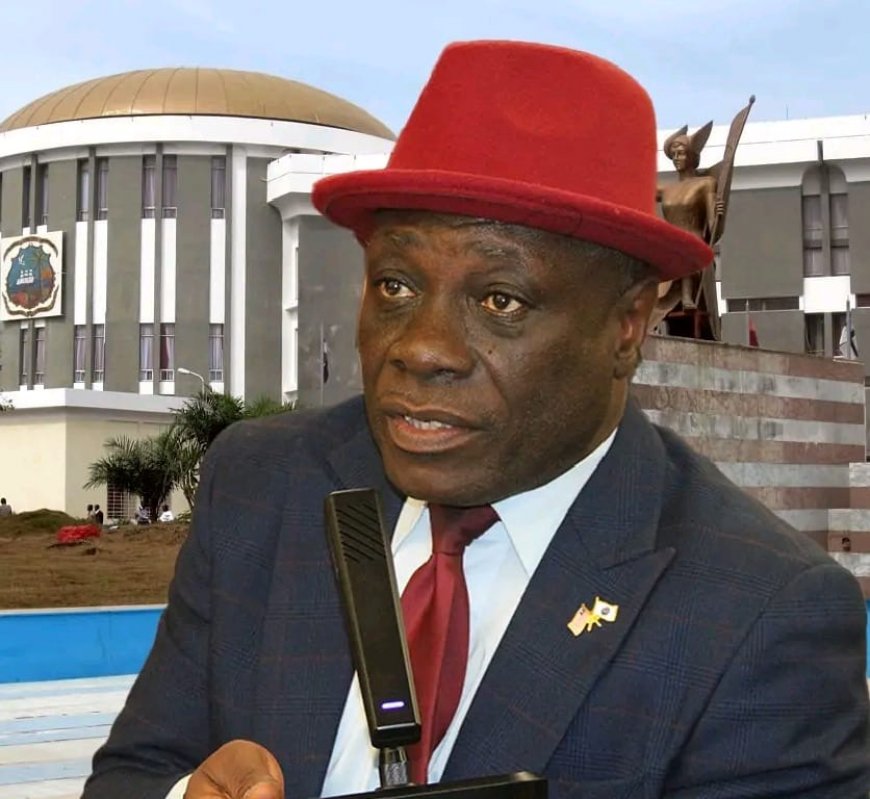
Capitol Hill, Liberia: The House of Representatives has triggered a high-stakes debate over money, fairness, and decentralization by sending a proposal for a national ceiling on County Council remuneration to its Committees on Local Government and Ways, Means and Finance, raising a bold question: should public service at the county level be driven by equity or by how rich a county happens to be?
The move followed a formal communication from Nimba County District #2 Representative Hon. Nyan Flomo, who cautioned Plenary that Liberia’s decentralization system is being quietly undermined by huge disparities in what County Council members are paid from one county to another. “We now have a situation where councils performing the same duties are being paid wildly different amounts simply because their counties have different revenue strengths,” Flomo warned.
To back his argument, the lawmaker pointed lawmakers to Section 2.9 of the Local Government Act of 2018, which legally mandates the Legislature to set a national ceiling on County Council honoraria every four years. So why, years after the law was passed, does no such ceiling exist? That gap, Flomo said, has created a free-for-all in county payrolls.
Flomo’s proposal is as bold as it is simple: no County Council in Liberia should spend more than five percent (5%) of its approved annual County Fiscal Development Budget on remuneration. “Without a cap, administrative costs can easily swallow money meant for clinics, roads, and schools,” he argued. But how can counties develop if salaries eat up the budget?
Supporters of the proposal say a formula-based ceiling would promote fiscal discipline, stop runaway allowances, and ensure that development—not personal benefit—remains the priority of decentralization. It would also respect differences in county size and revenue while maintaining a single national standard for fairness.
Plenary agreed the issue cuts to the heart of governance, ordering its relevant committees to review the proposal, consult stakeholders, and report back with concrete recommendations. Should Liberia finally put guardrails around local government spending, or allow disparities to keep widening?
Lawmakers stressed that decentralization must not become a breeding ground for inequality. “Equal responsibilities should attract fair and comparable compensation, regardless of county wealth,” one legislator noted during deliberations.
As the committees begin their review, the nation is left with a pressing question: will this proposal bring balance and accountability to Liberia’s counties—or will it ignite resistance from those who benefit from the current system? The next move by the House could reshape how local power is paid for across the country.
What's Your Reaction?
 Like
0
Like
0
 Dislike
0
Dislike
0
 Love
0
Love
0
 Funny
0
Funny
0
 Angry
0
Angry
0
 Sad
0
Sad
0
 Wow
0
Wow
0