















“Liberians Do Not Eat statistics,” - Moniba Calls for Real Impact of Gov't 70K Job Creation Claim
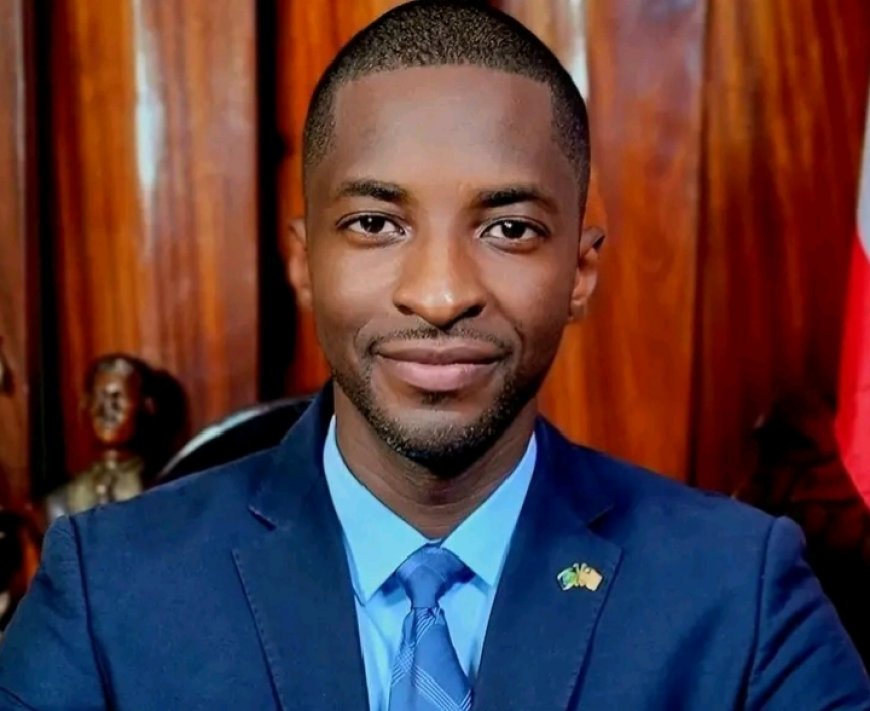
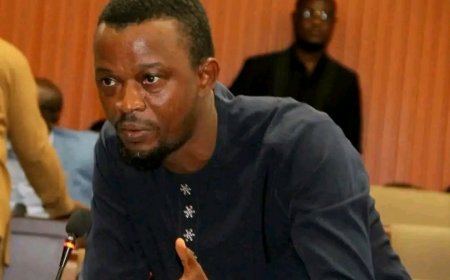
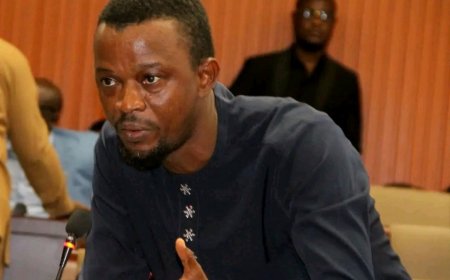
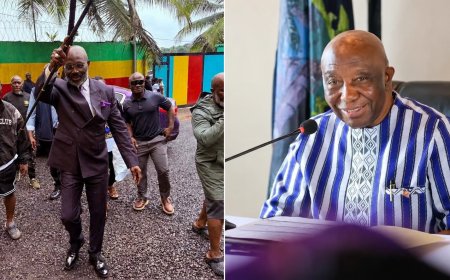
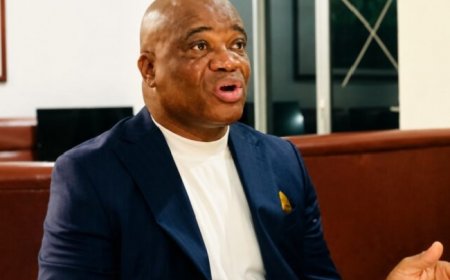
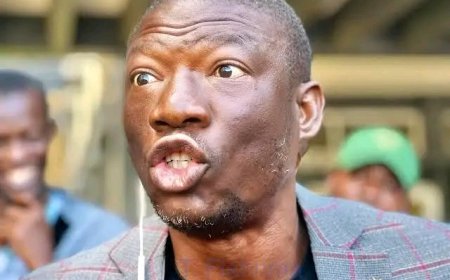
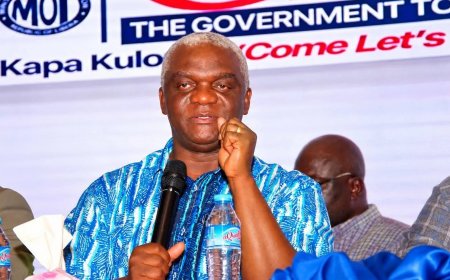
MONROVIA, LIBERIA: The Political Leader of the Liberian National Union (LINU), Clarence Moniba, has questioned President Joseph Boakai's claim of creating more than 70,000 jobs nationwide in 2025, under the second year of his government.
By: Emmanuel George
Moniba, a former presidential candidate, in response to President Boakai's recent State of the Nation Address, said the figure does not represent the life reality of ordinary Liberians it tends to affect.
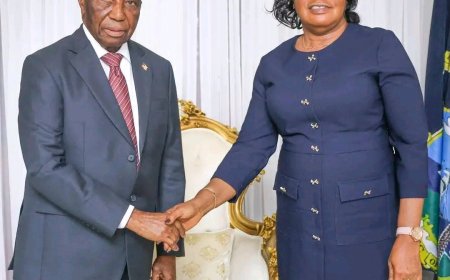
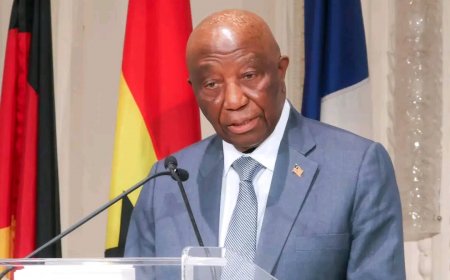
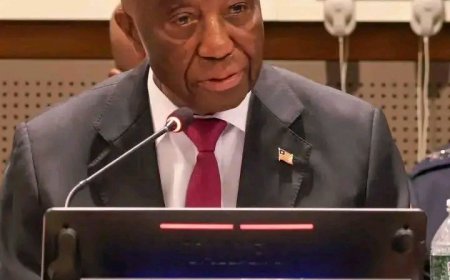
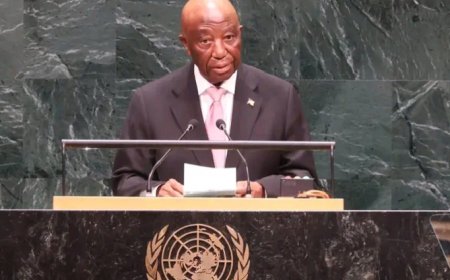
President Joseph Boakai during his Third Annual Address to the nation on Monday January 26, 2026, said his administration made significant strides in the economy, including the provisions of more than 70,000 jobs through investments in infrastructure and productive sectors.
The President placed the job creation in the category of short-term 60 percent, medium-term 30 percent, and permanent civil service role 10 percent.
However, the LINU Political Leader Clarence Moniba criticized the assertions, saying it reflects a self-grading by government, while many still struggle to afford daily meals amidst what he called high unemployment rate and worsen economy.
“Liberians do not eat statistics, they buy food, pay rent, and struggle with transportation costs and living conditions remain tough.”
“Without proof, without clarity, and without a pathway to permanent employment, these numbers ring hollow. That is not growth. It is a recipe for disaster", he underscored.
As concerns grow over the job creation claim, Moniba has urged the Boakia's administration to reveal the credibility, transparency, and sustainability that followed to authenticate the process.
He stated: "Most of the reported jobs were generated by the government itself rather than through private-sector expansion".
In a recent press conference, Moniba also critiqued the Unity Party government's pattern of spending towards improving key sectors across the country.
He stated that the government despite celebrating the approval of a huge sum in the national budget has not invested meaningfully in the Education, Heath and Security sectors, which according to him are key to national growth.
According to Moniba, it is disheartening for the government to approve a US$1.2 billion in the 2026 National Budget with less than US$10 million combined for more than ten public colleges and teacher-training institutions, compared to US$11 million allocated to just six political offices, including the Presidency, Legislature, and Judiciary.
“Liberia added nearly US$400 million to the national budget,” Moniba said. “That money should have built factories, stimulated production, and revived the private sector," he stated.
The LINU Political Leader pointed to a US$200,000 allocation for the Maryland Vocational Training Institute in the national budget versus US$500,000 earmarked for government scratch cards, but it does not show any intent to improve the Education Sector.
According to him, past and present governments' spending patterns have contributed to the underdevelopment of Liberia.
Clarence Moniba asserted that government expenditure over the years has been attributed more to recurrent costs—salaries, travel, fuel, and operations than investment in infrastructure and boosting the economy.
What's Your Reaction?
 Like
0
Like
0
 Dislike
0
Dislike
0
 Love
0
Love
0
 Funny
0
Funny
0
 Angry
0
Angry
0
 Sad
0
Sad
0
 Wow
0
Wow
0