
















Sirens, Seizures and Power: House Orders Justice Minister to Explain Who Really Owns Liberia’s Roads

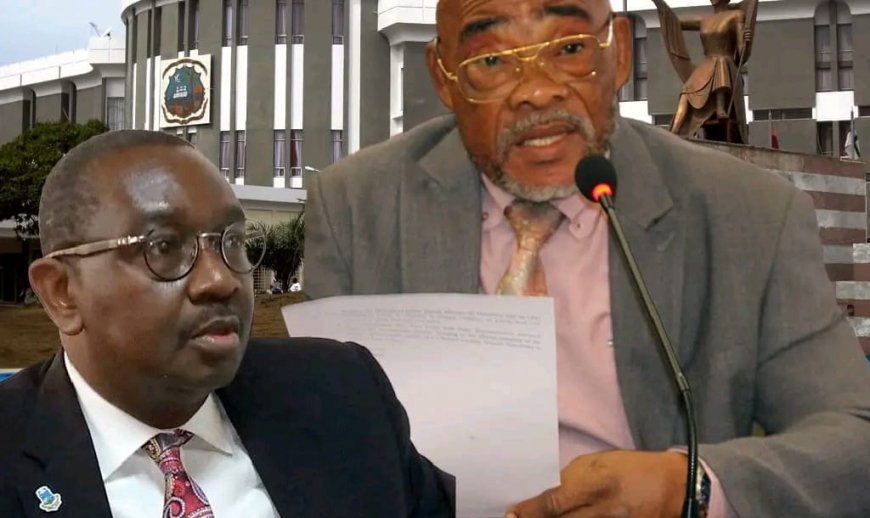
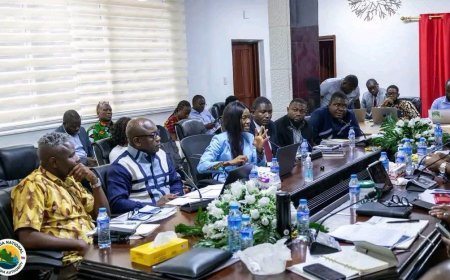
Capitol Hill, Liberia: Liberia’s House of Representatives has thrown a political grenade into the Ministry of Justice, summoning the Justice Minister to appear before Plenary next Tuesday over the explosive enforcement of the Traffic and Motor Vehicle Law—especially the controversial use of sirens and the so-called “third lane.” At stake is a question every Liberian motorist is asking: who is actually allowed to blow sirens, force their way through traffic, and escape the law?
The decision was taken during Thursday’s sitting of the House following a formal complaint from Sinoe County District #1 Representative, Hon. Prof. Thomas Romeo Quioh, who warned that a recent Justice Ministry directive could open the door to chaos, abuse of authority, and selective law enforcement on Liberia’s streets.
Quioh’s alarm centers on a February 10, 2026 communication from the Ministry of Justice that authorizes police to impound vehicles that fail to yield to sirens or misuse the third lane.
But lawmakers are now asking: Does this order rest on clear law, or is it an administrative interpretation that risks trampling on citizens’ rights?
“We cannot have a situation where some people are above traffic laws simply because they hold public office,” Quioh told Plenary. “The Minister must come and tell this House—who is legally covered, who is not, and under what statute these drastic enforcement actions are being taken.”
At the heart of the controversy is a series of unresolved legal questions: Which public officials are authorized to use sirens? Are elected officials among them? What exactly does the law mean by the ‘third lane’? And does any statute truly empower police to seize vehicles over these violations?
Lawmakers fear that without these answers, ordinary Liberians could be harassed while powerful figures cruise freely through traffic, sirens blaring. Is the law being applied equally, or is it becoming a weapon of privilege? That is the question now hanging over the country’s justice system.
Members of the House stressed that as the authors and guardians of Liberia’s laws, they cannot sit idly by while enforcement agencies potentially rewrite legislation through internal memos. “If the interpretation is wrong, the people suffer. If it is right, the public deserves to know,” one lawmaker argued.
By forcing the Justice Minister to appear before Plenary, the House is turning a routine traffic issue into a major test of governance and accountability. Will Liberia’s roads be ruled by law—or by sirens and power? The nation will be watching closely next Tuesday.
What's Your Reaction?
 Like
0
Like
0
 Dislike
0
Dislike
0
 Love
0
Love
0
 Funny
0
Funny
0
 Angry
0
Angry
0
 Sad
0
Sad
0
 Wow
0
Wow
0