
















NaFAA Sets Modern Course With First Semi-Industrial Vessel and Sector Reforms
From Canoes to Cutting-Edge: Saygbe’s Leadership Sparks a Transformational Wave Across Liberia’s Fisheries Sector
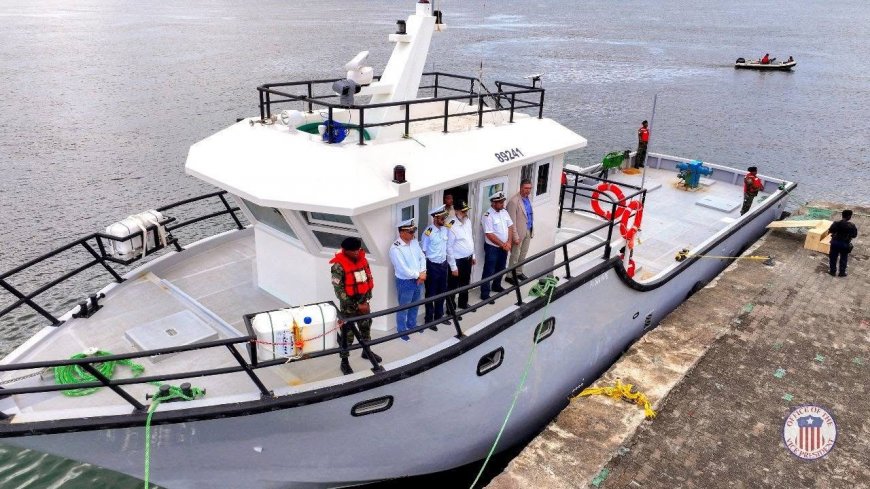
Bushrod Island, Liberia: Liberia’s fisheries sector is entering a period of renewed energy and direction as the National Fisheries and Aquaculture Authority (NaFAA) moves forward under the leadership of Acting Director General J. Cyrus Saygbe. The institution is pushing a fresh wave of modernization aimed at strengthening governance, expanding aquaculture, and creating new economic openings for communities along the coast and inland waters.
A major highlight of this shift is the introduction of Sea King, the country’s first semi-industrial fiberglass fishing vessel. Alongside it, 23 newly designed Kru and Fanti fiberglass canoes built in Liberia were also presented.
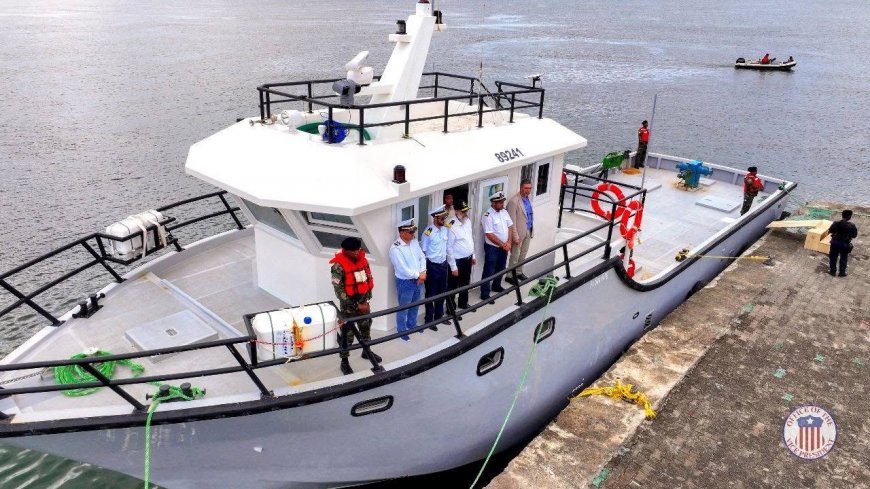
These developments signal the government’s intention to push the sector toward modern technology, better productivity, and long-term sustainability.
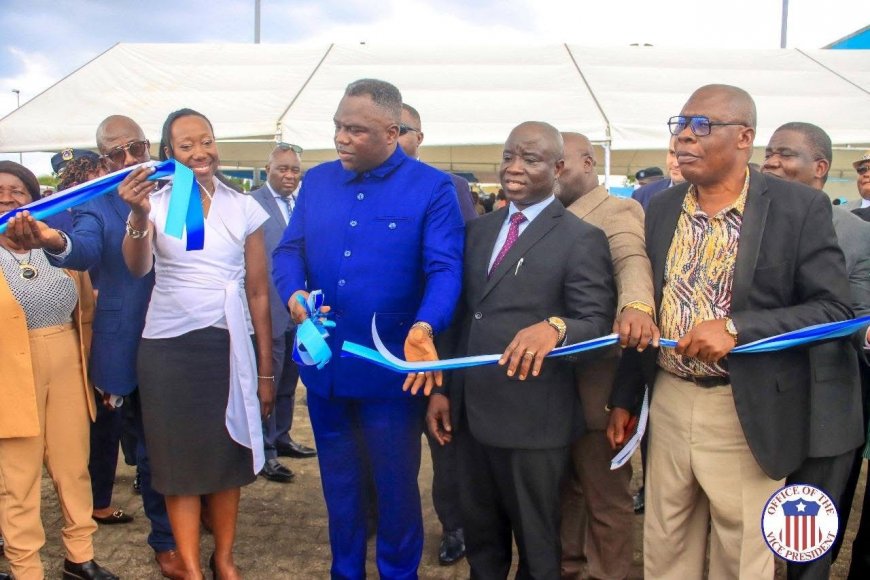
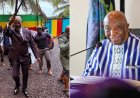
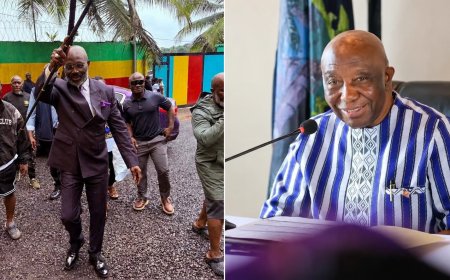
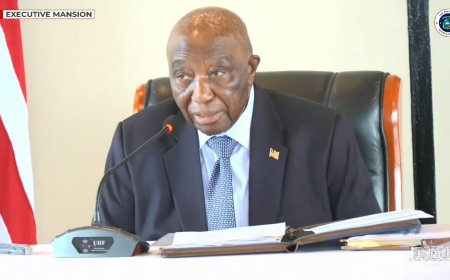
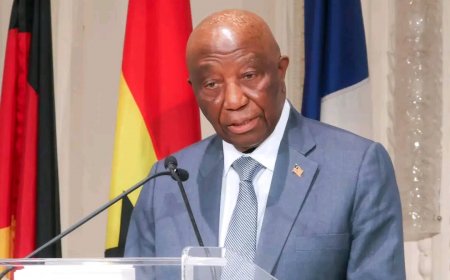
Vice President Jeremiah Kpan Koung, who commissioned the vessel at Mesurado Pier on November 24, said the government is serious about revitalizing Liberia’s coastal economy. He believes Sea King will boost local fish production, cut the nation’s dependence on imported fish, and ensure that coastal communities retain more financial benefits from Liberia’s waters.
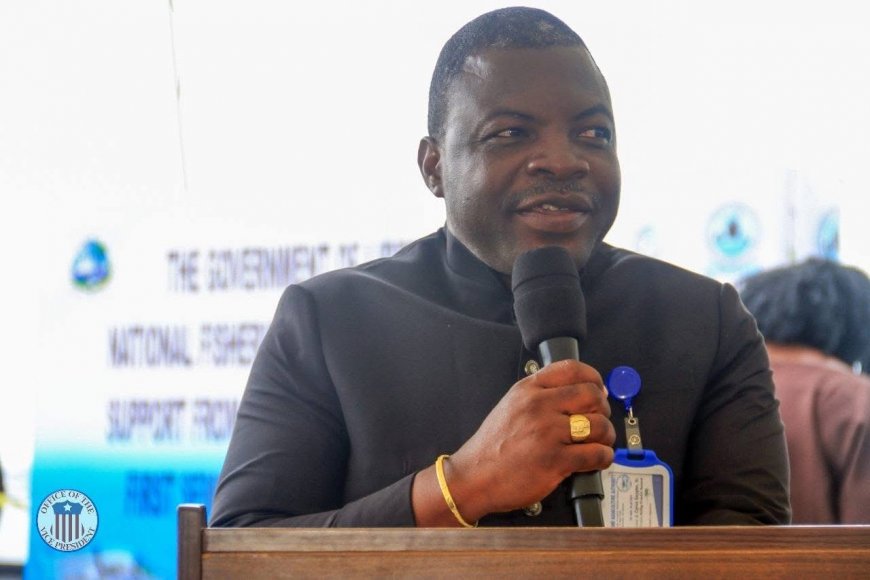
For Acting DG Saygbe, the commissioning represents far more than the launch of a boat. He described it as the start of a “new direction” for Liberia’s fisheries, noting that the Sea King’s Glass Reinforced Plastic technology is a major upgrade in safety, efficiency, and durability compared to traditional vessels.
Since assuming leadership, Saygbe has led a push to realign NaFAA with the government’s ARREST agenda. Several reforms have taken shape, including:
- Improved monitoring and surveillance through an upgraded Quartermaster System
- A revived Fisheries Information Management System
- A newly established Environment & Climate Change Department
- A digital National Aquaculture Database for planning and research
The Authority is also working on long-term planning tools, such as a 10-year roadmap for the fisheries sector, a national investment plan, and a dedicated aquaculture strategy. Work has resumed on the Aquaculture Center of Excellence in Klay, which will support hatcheries, research, and training once completed.
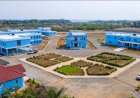
The modernization drive includes the restoration of the long-abandoned Fisheries Complex, ongoing designs for a US$26 million Industrial Fishing Port, and plans to open NaFAA’s first Regional Office in Harper by 2026. These efforts aim to position Liberia as an attractive investment destination ahead of the 2026 Fisheries Investment Conference.
Community-level improvements have also been visible. More than 500 farmers have received aquaculture training, 17 processing hubs have been built through FAO support, and over 1,400 women in fisheries have benefited from grant programs funded by the World Bank.
Saygbe thanked partners such as FAO, the World Bank, and Conservation International for backing Liberia’s fisheries transformation.
The government has also announced that, beginning January 1, 2026, fisheries licensing fees will be significantly reduced to ease the burden on local operators:
- Non-motorized canoes: US$30
- Motorized canoes (1–15 HP): US$175
- Larger canoes (16–40 HP): US$350
Saygbe said the reduction shows the government is listening to Liberian fishers and responding to their concerns.
World Bank Country Manager Georgia Wallen described the Sea King commissioning as a “remarkable milestone,” noting visible improvements in the sector and strong collaboration between government and partners.
The introduction of Sea King and the new fiberglass canoes reflect a larger movement within Liberia’s fisheries sector one defined by confidence, innovation, and a clearer sense of direction.
As Saygbe put it, Liberia is proving that “focused leadership and committed institutions can achieve major change.”
What's Your Reaction?
 Like
0
Like
0
 Dislike
0
Dislike
0
 Love
0
Love
0
 Funny
0
Funny
0
 Angry
0
Angry
0
 Sad
0
Sad
0
 Wow
0
Wow
0