



























CDC Expels Senator Pennue, Cllr. Gbala, and Rep. Weah over Alleged Disloyalty

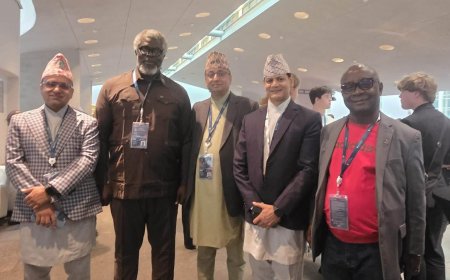
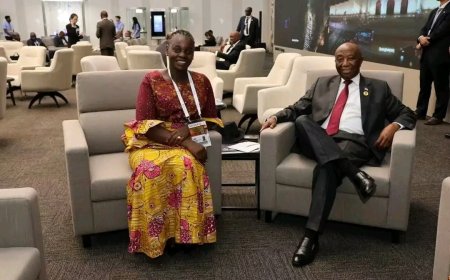
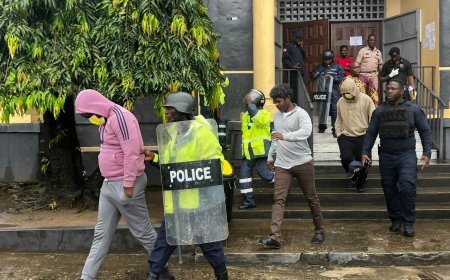
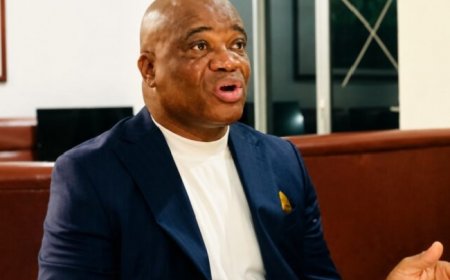
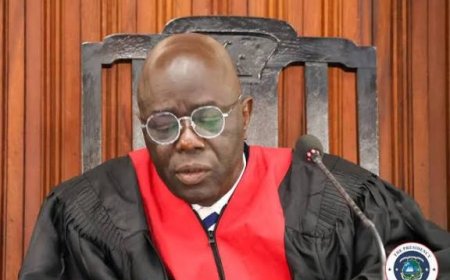
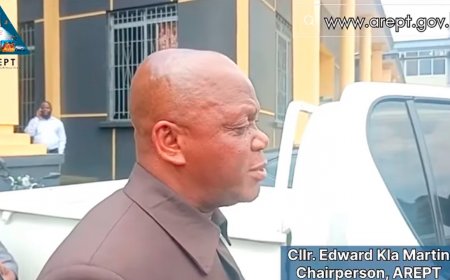
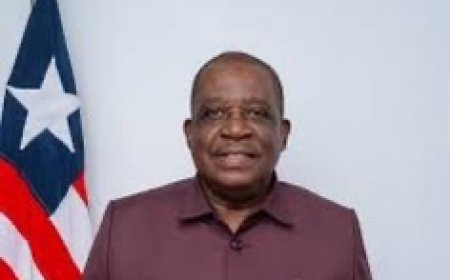
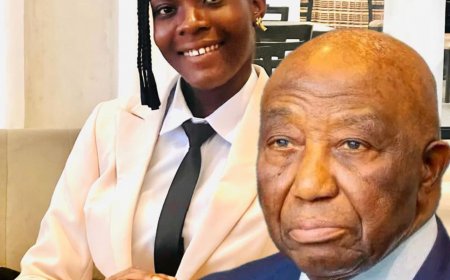
Monrovia, Liberia: The opposition Congress for Democratic Change (CDC) has announced the immediate expulsion of Senator Zoe E. Pennue, Cllr. Kanio Bai Gbala, and Representative Samson Weah of Sinoe County District Two, marking one of the party’s most emotionally charged internal breaks since it left state power.
In a statement released Monday, the CDC accused the three officials of sustained disloyalty and collaboration with the ruling Unity Party, actions it said were inconsistent with the party’s values and governing rules. According to the statement, the conduct in question spanned nearly 18 months and violated multiple provisions of the CDC Constitution and Bylaws, including sections relating to loyalty, discipline, and party cohesion.
The party cited Section 47 of its Constitution, which outlines how membership may end through voluntary withdrawal, open allegiance to another political party, expulsion ratified by the National Executive Committee, or death. The CDC argued that the actions of the three officials amounted to “constructive withdrawal,” particularly through public criticism of the party and visible alignment with the Unity Party led government.
“The CDC does not condone such actions,” the statement declared, adding that the expelled individuals are no longer recognized as members or representatives of the party under any circumstance.
Beyond the legal language and constitutional references, the expulsions cut deep especially in the cases of Senator Zoe E. Pennue and Cllr. Kanio Bai Gbala, both of whom were once seen as pillars of the CDC’s expansion and credibility beyond Montserrado County.
Senator Zoe E. Pennue joined the CDC during its years as a growing opposition force, drawn by the party’s populist message and its promise to challenge Liberia’s entrenched political elite. In Sinoe County, Pennue became one of the CDC’s most recognizable standard-bearers, helping to plant the party’s flag in a region where it had long struggled for relevance. His rise within the party mirrored the CDC’s own growth from protest movement to governing party making his expulsion especially symbolic of how far both sides have drifted.
Cllr. Kanio Bai Gbala, a legal professional, aligned with the CDC at a time when the party was actively recruiting technocrats and professionals to strengthen its policy and institutional credibility. His entry into the CDC was framed around reform, rule of law, and the belief that the party could evolve from street politics into structured governance. For many within the CDC base, Gbala’s departure represents not just political disagreement, but the collapse of a shared reformist vision.
Representative Samson Weah, though less publicly tied to the party’s early ideological battles, rose through the CDC’s legislative ranks and benefited from its grassroots machinery in Sinoe County. His expulsion reinforces the party’s claim that no elected official is above internal discipline.
The CDC warned the public, institutions, and political actors against engaging with the expelled officials under the party’s name, stating that anyone who does so does so “at their own risk.” The party stressed that the move was necessary to preserve its identity and prevent confusion as it rebuilds following its 2023 electoral defeat.
The statement, signed by National Chairman Atty. Janga A. Kowo, described the expulsions as both a caution to remaining members and a signal of renewed internal enforcement as the party repositions itself ahead of the 2029 general elections.
Despite the internal fallout, the CDC reaffirmed its commitment to what it called its people-centered ideology and restated its intention to organize aggressively to unseat the Unity Party government in the next electoral cycle.
For a party born out of protest and loyalty to the grassroots, the expulsions underscore a hard truth: political movements, like people, change and sometimes the breakups hurt more than the losses at the ballot box.
What's Your Reaction?
 Like
0
Like
0
 Dislike
0
Dislike
0
 Love
0
Love
0
 Funny
0
Funny
0
 Angry
0
Angry
0
 Sad
0
Sad
0
 Wow
0
Wow
0