
















Senate to Decentralize Ports, Execute 2026 Fiscal Budget in 3rd Quarter

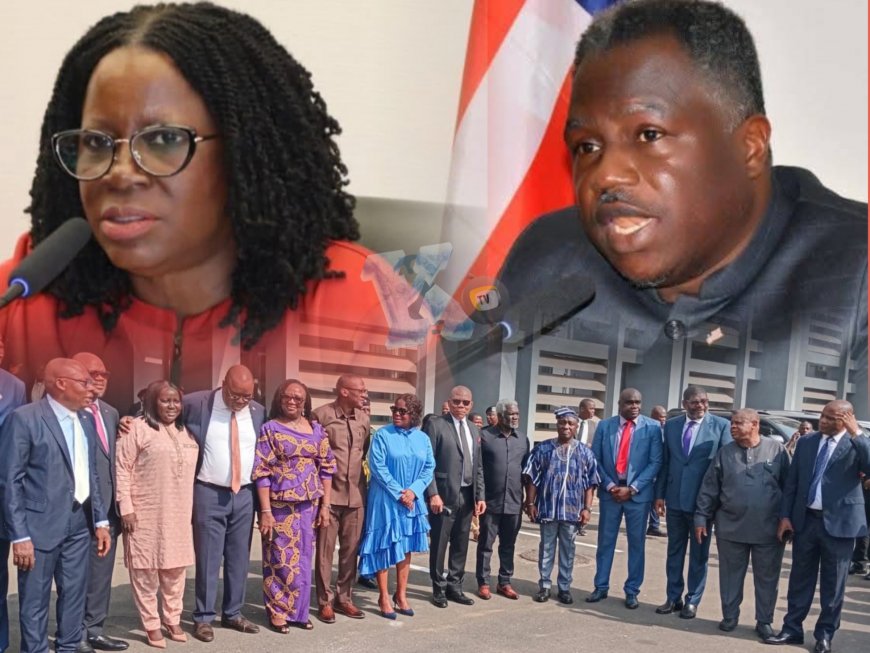
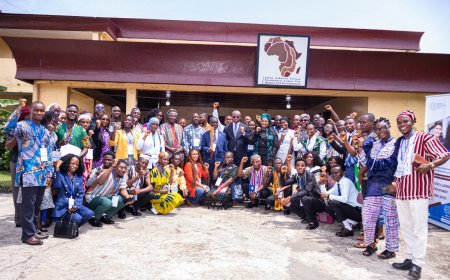
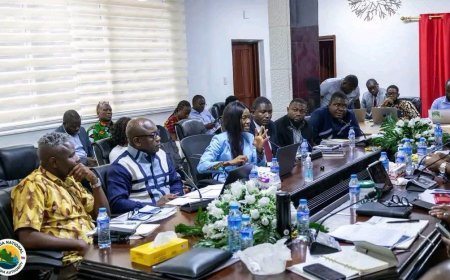
MONROVIA, LIBERIA — January 12, 2026: The Liberian Senate has officially commenced the 3rd Session of the 55th Legislature on Monday, January 12, 2026, positioning itself at the center of national economic governance with a focus on executing the US$1.2 billion national budget and advancing port sector reforms that will redefine economic decentralization and maritime governance in the country.
The session follows the formal closure of the Second Session on December 18, 2025, during which the Senate held 59 sittings, passed 76 pieces of legislation, ratified nine agreements, enacted 64 laws, amended three statutes, and confirmed 213 of 236 nominees, according to figures presented by Senate leadership.
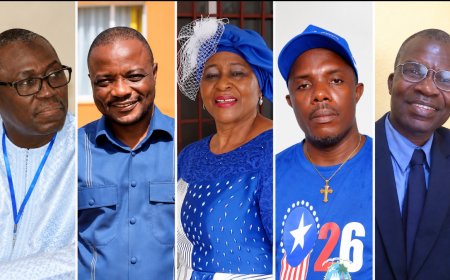
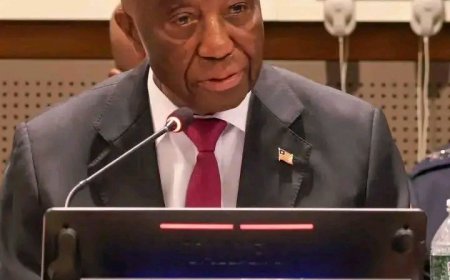
Delivering her opening statement, President Pro Tempore Nyonblee Karnga-Lawrence framed the session within broader national progress, noting that “the ability to commute freely to our various counties at this time of year is a significant achievement by the government,” while extending appreciation to President Joseph Nyuma Boakai “for the vision to make our roads passable.”
She said the Senate’s oversight during the previous session produced tangible fiscal outcomes, explaining that “the Senate adjusted the pricing regime for petroleum products,” a move which “has increased the national revenue envelope for road funds, which will finance road equipment expected for all counties.”
Attention has now shifted to the execution phase of the 2026 National Budget, which exceeds one billion United States dollars for the first time in Liberia’s history and prioritizes infrastructure, agriculture, energy expansion, and social services through the Public Sector Investment Plan.
Approximately 94 percent of the budget is funded domestically, including a $200 million signature bonus from ArcelorMittal, with the remainder earmarked for domestic and external debt repayment.
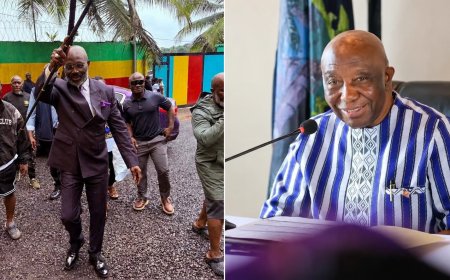
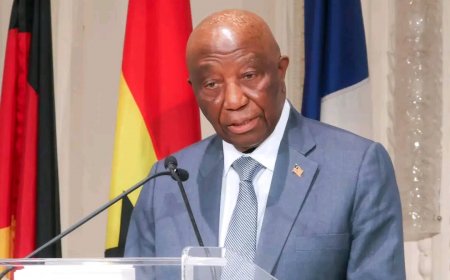
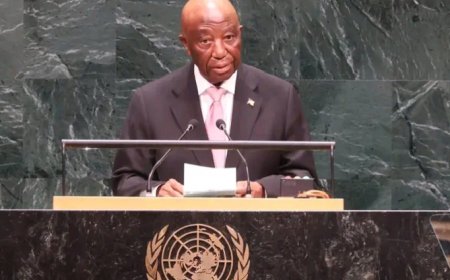
Vice President Jeremiah Kpan Koung Sr., addressing Senators at the opening, underscored the significance of the fiscal milestone, stating that the budget was “not just a financial milestone; it was a statement of national intent,” adding that the session signal Liberia’s readiness to pursue bold reforms and deliver stronger national outcomes..
He further linked budget execution to governance outcomes, assuring that the government is creating an enabling environment for investment, expanding electricity access, revitalizing agriculture, strengthening infrastructure, and fostering conditions for a vibrant private sector.
A major legislative focus of the session remains the Port Authority and Port Autonomy Acts, which were re-passed after corrections to sections previously vetoed by the President.
The legislation dissolves the centralized National Port Authority and establishes four autonomous seaports in Monrovia, Buchanan, Greenville, and Harper.
For her part, Senator Karnga-Lawrence said the legislation reflects a broader reform agenda, stating plainly that “these bills result from our reform agenda focused on economic decentralization.”
She added that the Senate believes the reforms will drive growth in the three port cities, create thousands of jobs, encourage relocation from congested Monrovia, and establish a regulatory framework for all sea and inland ports, with the National Port Authority acting as an operator, not a regulator.
Beyond fiscal and maritime reforms, the session also advances internal restructuring of the Senate, including salary standardization, credential verification, and implementation of audit recommendations.
The Grand Bassa County lawmaker informed the chamber that the Senate has made significant progress since February 2024, having fully implemented 25 and partially implemented nine of the 174 audit recommendations.
As legislative work resumes, Vice President Koung urged unity and purpose, reminding lawmakers that the Liberian people are watching and expect sincerity, cooperation, and tangible progress as the Senate begins a session set to shape Liberia’s economic direction beyond 2026.
What's Your Reaction?
 Like
0
Like
0
 Dislike
0
Dislike
0
 Love
0
Love
0
 Funny
0
Funny
0
 Angry
0
Angry
0
 Sad
0
Sad
0
 Wow
0
Wow
0