












'Women's and Girls' Protection Bill' Passage Surfaces High as Liberia Observed 2026 Int'l Day of Zero Tolerance for FGM

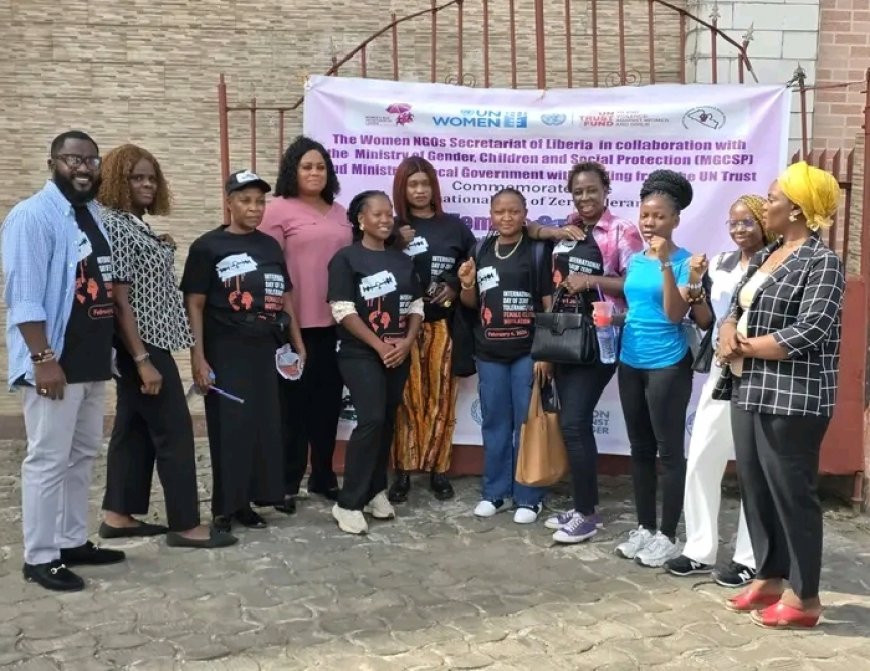
MONROVIA, LIBERIA: Liberia joined the rest of the World over the week to observe this year's International Day of Zero Tolerance for Female Genital Mutilation (FGM), as national stakeholders intensified calls for the speedy passage of the "Women and Girls Protection Bill" currently before the national Legislature.
The day, observed annually on February 6, provides both a global and a national platform to strengthen awareness, dialogue, and draft strategies to end Female Genital Mutilation.
This year’s occasion was commemorated under the global theme, “Towards 2030: No End to FGM Without Sustained Commitment and Investment,” and the local theme in Liberia: “Investing in Liberian Girls and Communities to End Female Genital Mutilation.”
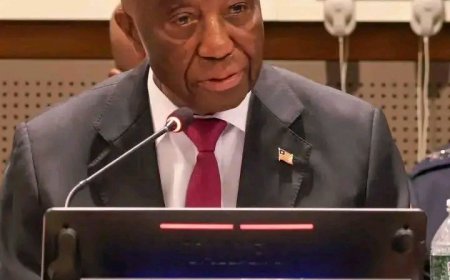
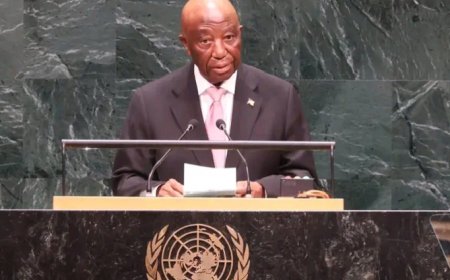
Civil Society Organizations emphasized that eliminating FGM requires political will, stating that the bill submitted by President Joseph Boakia to ban the practice needs urgent attention.
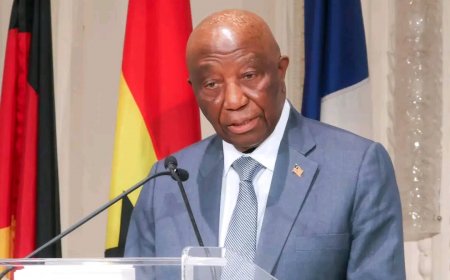
President Joseph Boakia submitted the Women and Girls Protection Bill, titled "An Act to Ban Harmful Cultural Practices in Liberia," in October 2025, which many consider a major step in the fight against FGM.
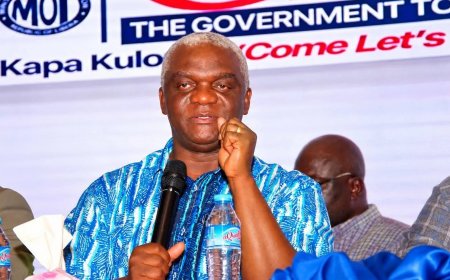
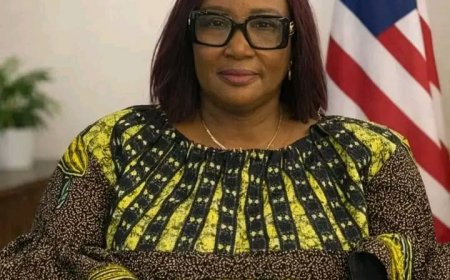
Speaking at this year's International Day of Zero Tolerance for Female Genital Mutilation observance, the Executive Director of the NGOs Secretariat of Liberia (WONGOSOL), Esther S.D. Yango, described the proposed legislation as a cornerstone for strengthening Liberia’s legal and policy framework against FGM and related gender-based violence.
“While progress has been made through advocacy, community dialogue, and temporary policy measures, the absence of a comprehensive and enforceable legal framework continues to expose women and girls to risk.”
"The Bill provides an opportunity to move from fragmented protections to a holistic, survivor-centered, and rights-based approach,” she said.
Madam Yango emphasized that ending Female Genital Mutilation is not solely a cultural issue but one of human rights, public health, gender equality, and social national development.
According to WONGOSOL Executive Director, if enacted into law, the Women and Girls Protection Bill will amplify national commitment toward restoring the dignity of the vulnerable population.
The bill before the Legislature is being contested by some traditional leaders who believe that banning FGM would undermine Liberia's cultural and traditional practices.
However, on behalf of the United Nations, Dr. Biaye, United Nations Population Fund Country Representative, delivered a message from UN Secretary-General António Guterres that condemned Female Genital Mutilation as a violation of universal human rights affecting over 230 million women and girls worldwide.
The UN Secretary-General’s message reinforced that protecting women and girls requires global solidarity, sustained advocacy, and practical measures to ensure survivors have access to care, education, and leadership opportunities.
“Female genital mutilation violates the universal human rights to life, health, and bodily integrity — and causes lasting harm. The world has committed to ending this dangerous practice by 2030.”
"Achieving zero will require sustained political commitment and investment, with the active role of governments, civil society, health workers, and traditional and religious leaders,” the message read.
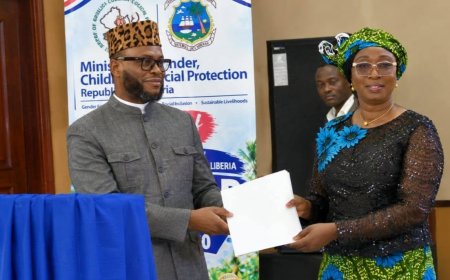
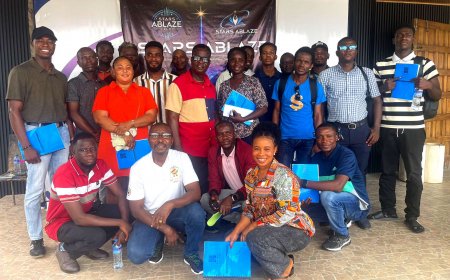
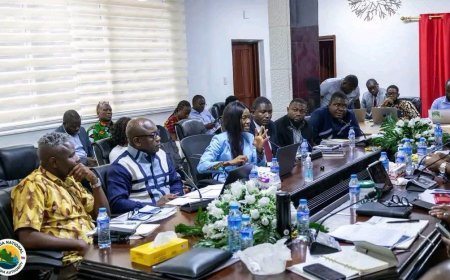
The event brought together lawmakers, justice actors, traditional and religious leaders, civil society, development partners and community representatives to raise awareness about the Bill, encourage dialogue on its urgency, and renew commitments toward sustained financial, institutional, and political investment to end FGM by 2030.
The International Day of Zero Tolerance for Female Genital Mutilation, observed on February 6 of each year, serves as a reminder that ending the harmful practice is both a moral obligation and a constitutional responsibility.
What's Your Reaction?
 Like
0
Like
0
 Dislike
0
Dislike
0
 Love
0
Love
0
 Funny
0
Funny
0
 Angry
0
Angry
0
 Sad
0
Sad
0
 Wow
0
Wow
0