
















HoR Pushes for Action as Minister Giddings Submits Long-Delayed Jor River Bridge Design and Cost Appraisal

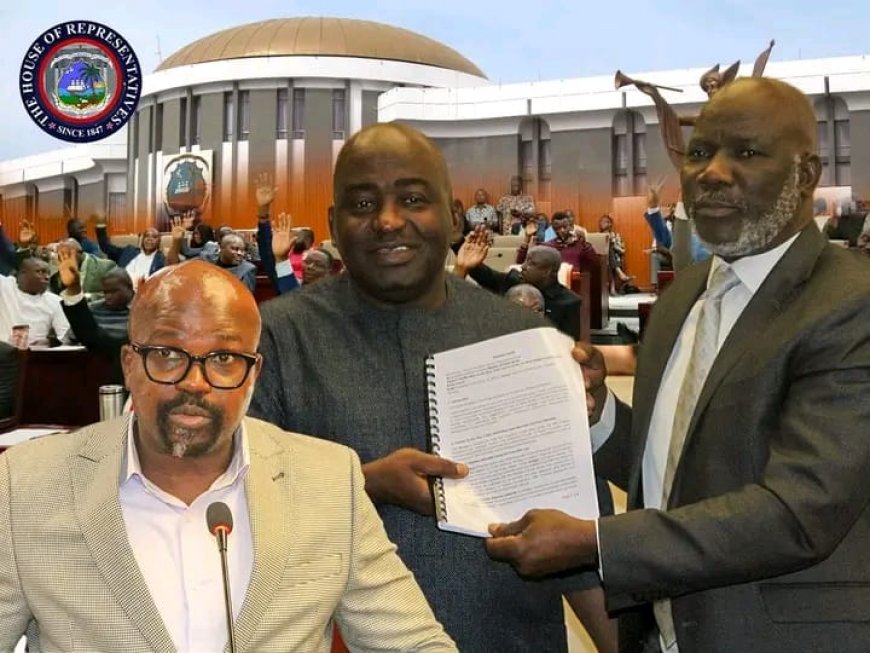
CAPITOL HILL, MONROVIA: In a significant step toward resolving a decades-old infrastructure crisis, the Ministry of Public Works has submitted the full design and cost estimate for the construction of the Jor River Bridge in Bong County to House Speaker Richard Nagbe for onward transmission to Nimba County District #7 Representative Musa Hassan Bility.
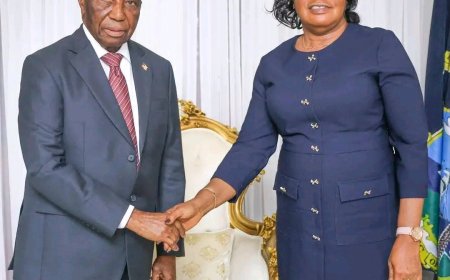
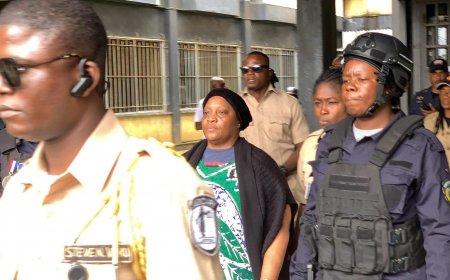
The submission was made on Tuesday during the 10th day sitting of the 3rd Quarter of the 2nd Session, where Public Works Minister Roland Giddings, accompanied by his technical team, appeared before the House plenary.
Their appearance followed mounting public concerns over the Ministry’s recent stop-order placed on the ongoing local construction efforts at the Jor River crossing.
Minister Giddings presented lawmakers with a complete bridge design and a US$1.3 million cost estimate, marking the first time the House has received a comprehensive technical package for the project.
The Jor River corridor is a lifeline for travel between Ganta, Monrovia, and Gbarnga, serving thousands of commuters and forming a vital trade artery. For nearly 40 years, residents have battled recurring transportation interruptions, seasonal isolation, and fatal accidents due to the absence of a durable bridge.
During deliberations, plenary voted to endorse the submission and mandated the Speaker to immediately turn over the documents to Representative Bility, who has publicly backed community-driven efforts to actualize the long-awaited bridge project. Speaker Nagbe fulfilled this directive shortly after the vote.
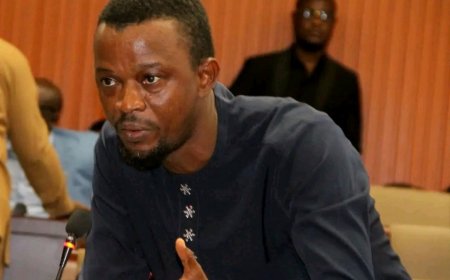
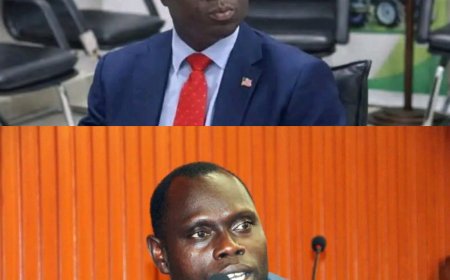
The legislative inquiry was triggered by a communication from Bong County District #3 Representative J. Marvin Cole, who criticized the Ministry’s stop-order, arguing that it threatened to derail progress and undermine the work already undertaken by local citizens.
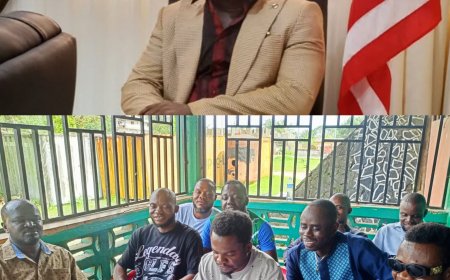
Representative Cole revealed that the Citizens Movement for Change (CMC)—a community-organized development body—has already mobilized over US$500,000 as a starter fund for the bridge construction.
He warned that halting construction without providing clear guidance could worsen community frustrations and delay relief for residents who have endured infrastructure neglect for generations.
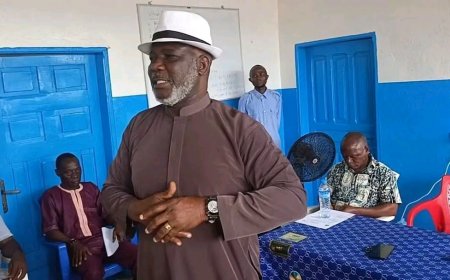
With the House’s endorsement, attention now shifts to how quickly stakeholders—the Ministry, Rep. Bility, local authorities, and the CMC—can coordinate to move the project from paper to groundbreaking.
For many residents along the Jor corridor, the bridge represents more than concrete and steel; it symbolizes long-awaited governmental responsiveness, safer travel, and a boost to local commerce.
As lawmakers press for accelerated action, the question now is whether the government’s renewed engagement will finally bring an end to four decades of infrastructural hardship—or whether the Jor River Bridge will remain yet another stalled promise.
What's Your Reaction?
 Like
0
Like
0
 Dislike
0
Dislike
0
 Love
0
Love
0
 Funny
0
Funny
0
 Angry
0
Angry
0
 Sad
0
Sad
0
 Wow
0
Wow
0