






35 Liberian Lawyers Complete Specialized Training Ahead of War Crimes Court Launch

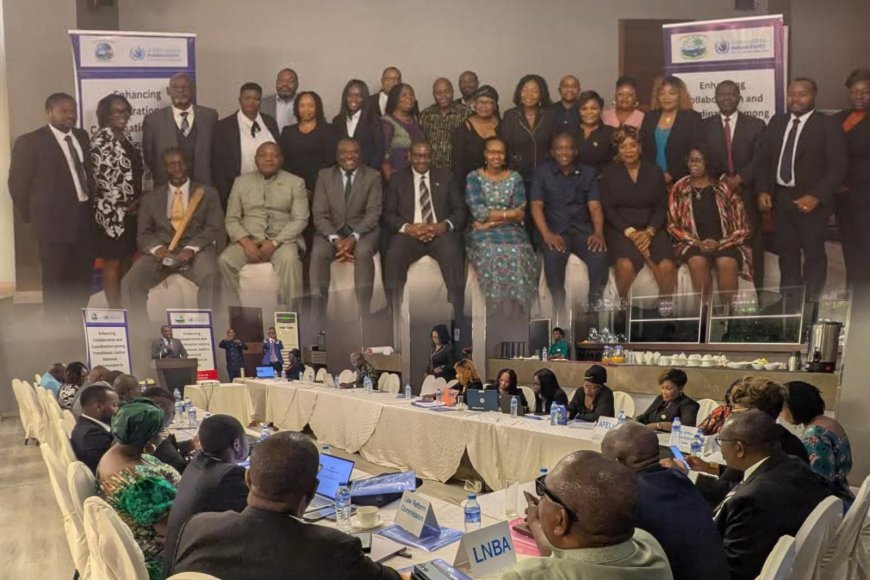
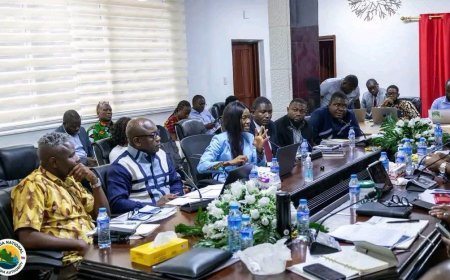
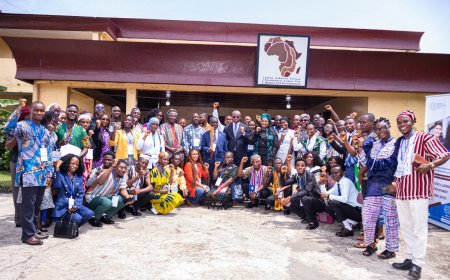
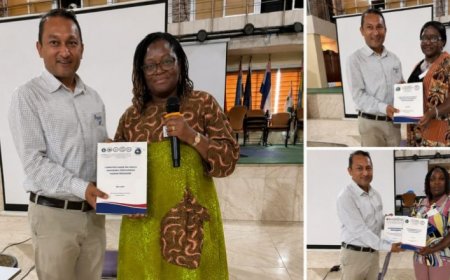
MONROVIA, LIBERIA: Thirty-five Liberian lawyers, inclusive of 20 females, have concluded a high-level, two-day intensive professional training designed to strengthen national legal readiness as Liberia advances toward the establishment of the War and Economic Crimes Court and the National Anti-Corruption Court.
The specialized workshop, held from January 28 to 29 in Monrovia, was jointly organized by the Office of the United Nations High Commissioner for Human Rights, the Liberian National Bar Association, the Association of Female Lawyers of Liberia, and the Organization for Women and Children, reflecting a coordinated effort to align domestic legal expertise with international standards.
Conducted at a decisive stage within Liberia’s accountability trajectory, the training focused on preparing legal practitioners for the complex demands associated with prosecuting gross human rights violations committed during the civil wars and addressing sophisticated corruption-related offences.
Organizers emphasized that the effectiveness of future judicial mechanisms will depend not only on statutory frameworks but on the technical competence and ethical discipline of the professionals entrusted with their implementation.
The sessions were structured to deepen understanding of transitional justice principles, international criminal law frameworks, evidentiary requirements, and procedural safeguards, while reinforcing the obligation of lawyers to ensure that justice mechanisms function with credibility and balance.
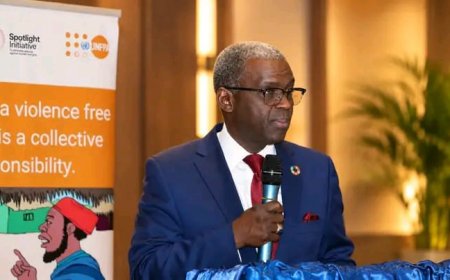
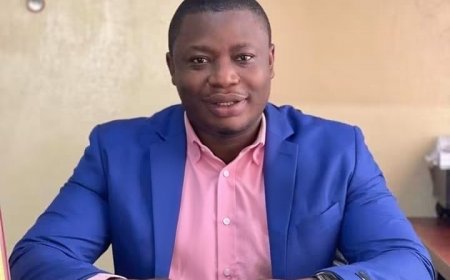
Highlighting the importance of national preparedness, OHCHR Representative in Liberia, Mr. Christian Mukosa, stated that “strengthening the capacity of national lawyers is essential to ensuring that accountability mechanisms are credible, fair, and responsive to victims.”
He added that “as the WECC and NACC move closer to becoming operational, lawyers must be prepared to uphold international due process standards while supporting meaningful victim participation.”
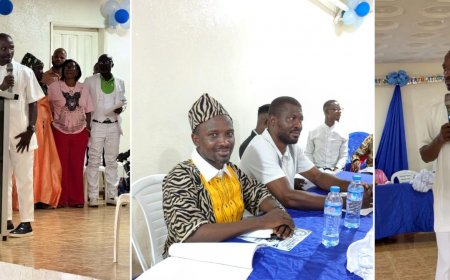
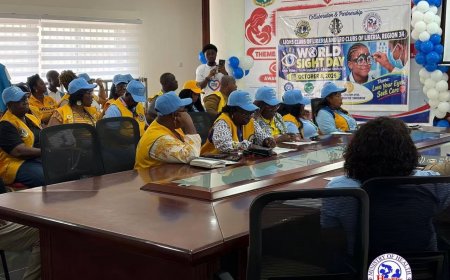
The opening ceremony brought together senior national and international stakeholders, including the Minister of Justice and Attorney General, representatives of the Judiciary, the Chair of the Law Reform Commission, the Dean of the Louis Arthur Grimes School of Law, the Executive Director of the Office for the Establishment of the War and Economic Crimes Court in Liberia, and the United Nations Resident Coordinator.
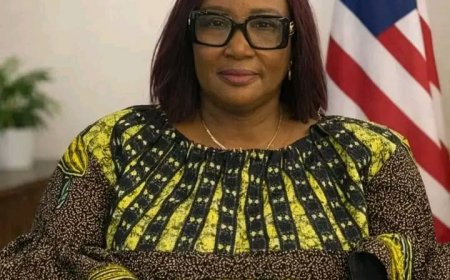
Reaffirming the government’s position, the Minister of Justice, Cllr. N. Oswald Tweh, underscored Liberia’s determination to confront impunity for international crimes and complex corruption offences, noting that “we are committed to equipping our legal professionals with the tools, knowledge, and support required to deliver justice in line with international legal standards.”
The United Nations Resident Coordinator reiterated the UN’s continued backing of Liberia’s transitional justice agenda, emphasizing sustained institutional support.
Substantive discussions addressed accountability for serious violations of international humanitarian law, individual criminal responsibility, crimes against children, corruption-related offences, and the incorporation of gender perspectives across judicial processes.
One female participant stressed the importance of inclusive justice, stating that “we must ensure that future judicial mechanisms deliver justice that fully reflects the experiences of women and girls,” while noting that the training strengthened advocacy for gender-responsive accountability structures.
Facilitated by United Nations experts alongside experienced national legal practitioners, the workshop encouraged practical engagement and professional exchange.
What's Your Reaction?
 Like
0
Like
0
 Dislike
0
Dislike
0
 Love
0
Love
0
 Funny
0
Funny
0
 Angry
0
Angry
0
 Sad
0
Sad
0
 Wow
0
Wow
0