


















Liberia’s Information Minister Urges Liberians to Shun STAND December 17 Protest
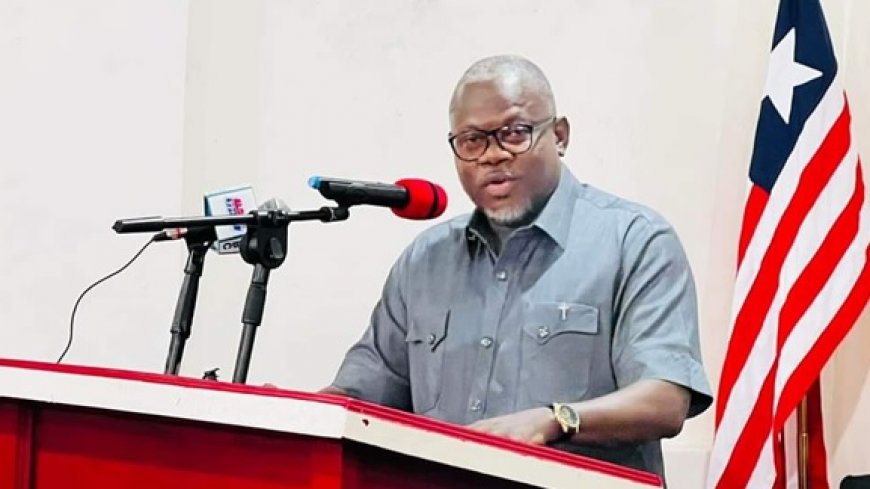
MONROVIA, LIBERIA: As Christmas fast approaches, Information Minister Jerolinmek Matthew Piah is making a nationwide appeal to Liberians to uphold peace, avoid protests, and preserve calm during the festive period.
According to Minister Piah, real investment and sustainable economic growth cannot flourish in an environment of uncertainty and unrest.
“We cannot attract real investors, create jobs, or foster sustainable development if the country remains tense,” he said, stressing that the holiday season should be reserved for unity, celebration, and hope rather than agitation.
He urged citizens to resist calls for demonstrations during Christmas, underscoring that each Liberian shares responsibility for national peace — even as the government works to create jobs and improve livelihoods.
Speaking on a local talk show, Minister Piah warned that failure by citizens to play their part in maintaining stability could undermine government efforts to attract investment and stimulate economic growth.
The government has placed high hopes on the coming months. In 2025, it launched the ARREST Agenda for Inclusive Development (AAID), a five-year national development blueprint aiming to transform Liberia’s economy and improve public services.
Key goals include increasing Gross Domestic Product (GDP), boosting per capita income, expanding infrastructure, and creating opportunities through investment in agriculture, energy, and private sector growth.
A recent report by the World Bank, released in March 2025, warned that unless institutional and policy reforms are implemented promptly — along with stability — Liberia risks remaining trapped in what the report calls a “natural-resource trap,” characterized by modest and fragile growth, limited diversification, and persistent poverty.
In this broader context, the call for peace by Piah is not simply about avoiding street protests during the holidays — it is deeply connected to the government’s development ambitions and the broader strategy to make Liberia attractive to both domestic and foreign investors.
At the same time, many Liberians are openly dissatisfied with the pace of economic and social reforms.
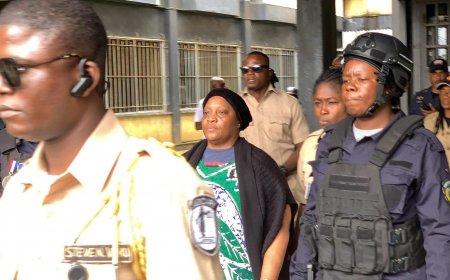
A prominent civil-society coalition, Solidarity & Trust for a New Day (STAND), officially notified authorities of plans to stage a nationwide protest on December 17 under the banner “Lead or Leave – Enough Is Enough.”
The coalition argues that the government has failed to deliver on promises to address corruption, impunity, economic hardship, and respect for human rights.
Calls to avoid the pending protest have come not only from government officials, but also from religious leaders.
The Liberia Council of Churches (LCC), through its Secretary General Reverend Dr. Christopher Toe, urged the government to refuse permission for protests in December, citing potential disruption to communities during an already busy period of social and commercial activity.
Piah’s call highlights a desire for collective calm — an appeal to social responsibility during a festive season. But many citizens, struggling with joblessness, rising prices, and limited public services, may see protests as their only recourse to demand government accountability.
Stability, peace, and predictability remain essential. If unrest is avoided, Liberia’s economic prospects under the ARREST Agenda and recent partnerships (such as the 2025–2029 country-wide investment plans with the World Bank) may gain traction.
The coming days will test Liberia’s ability to reconcile the right to peaceful protest with appeals for national calm. How authorities respond could influence public trust, civil liberties, and future willingness to engage in civic action.
For the government: The administration must show results — job creation, better services, transparency — to build credibility. Calls for peace may ring hollow if citizens continue to feel economic and social grievances unaddressed.
As the Christmas holiday approaches, all eyes will be on how Liberians respond. Will the population heed appeals for calm, or will frustrations override calls for peace? The outcome may say a lot about the sensitivity of Liberia’s current moment — balancing festive hope, economic ambition, and deep-rooted social demands.
What's Your Reaction?
 Like
0
Like
0
 Dislike
0
Dislike
0
 Love
0
Love
0
 Funny
0
Funny
0
 Angry
0
Angry
0
 Sad
0
Sad
0
 Wow
0
Wow
0