















ICP Chief Wants Senate Reject Bill Seeking Creation of Additional Legislative Seats

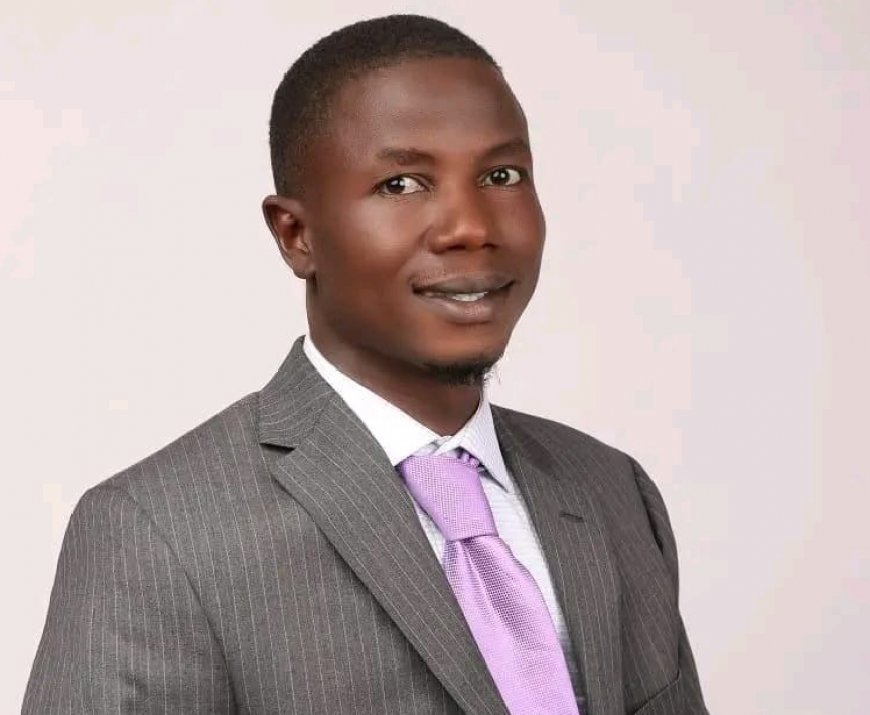
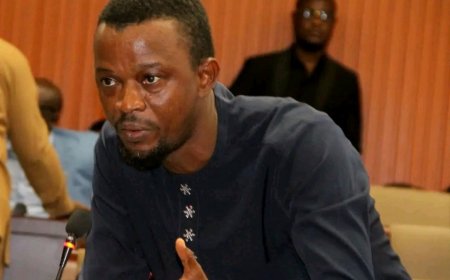
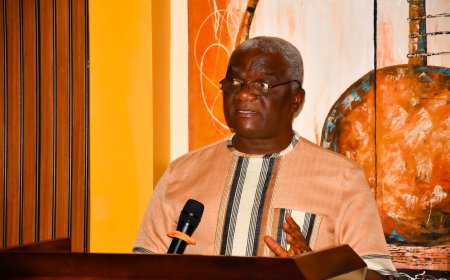
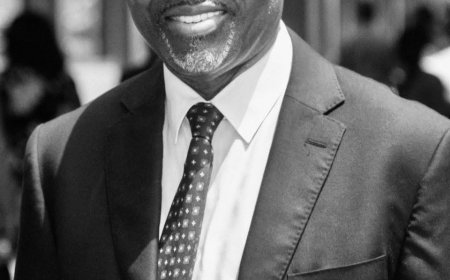
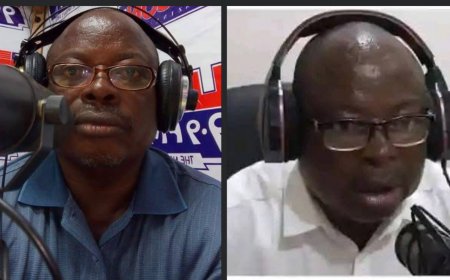
PAYNESVILLE, LIBERIA: Alex Konah, the Chairman of the Intellectual Class of Paynesville (ICP), has strongly urged the Liberian Senate to reject a bill before it, pending concurrence on the proposal of establishing fourteen additional districts across the country.
The vocal Intellectual group Chairman, Konah, argued that creating additional seats in the Legislature will increase financial burden on the state, rather than enhancing representation, oversight, and lawmaking across the target counties.
“Creating more districts for lawmakers does not empower citizens. It only adds more politicians while the ordinary people continue to struggle", he noted.
It can be recalled in late 2025, members of the House of Representatives voted to pass a bill that aims to expand electoral districts across Liberia from 73 to 87.
The bill seeks to expand districts in Bong County by two; Grand Bassa County (one), Grand Cape Mount County (one), Grand Gedeh County (one), Lofa County (two), Margibi County (one), Montserrado County (four), and Nimba County (two).
But the bill pending concurrence before the Senate has since met public reactions. Alex Konah who stands to be one of the critical voices calling for the rejection of the bill, said the national legislature should shift its attention to passing bills that will empower ordinary citizens.
Speaking recently, Konah urged the government to forgo expansion of political offices and invest in programs that provide jobs and skills training for Liberians. He said practical empowerment, not the addition of lawmakers that truly impacts the lives of citizens.
“Instead of creating additional districts, the government should be more innovative in providing skills training and creating avenues that will provide jobs for citizens,” Konah stressed.
The ICP chairman also highlighted the financial burden associated with adding additional legislative seats. He noted that salaries and allowances for new representatives would drain the already steady developing economy.
“The money that the government will use to pay additional lawmakers should instead be invested in the public sector or used to increase the salaries of civil servants so they can take home healthy wages and improve the lives of their families,” he said.
What's Your Reaction?
 Like
0
Like
0
 Dislike
0
Dislike
0
 Love
0
Love
0
 Funny
0
Funny
0
 Angry
0
Angry
0
 Sad
0
Sad
0
 Wow
0
Wow
0