











Deputy Gender Minister Golakeh Opposes FGM 'Age Consent' Debate
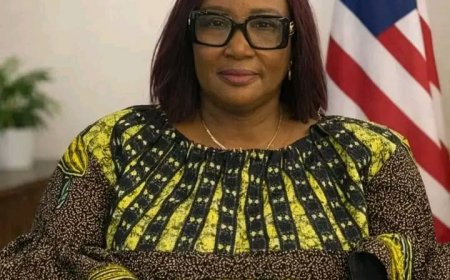
Liberia’s Deputy Minister for Gender, Children, and Social Protection, Laura Golakeh, has firmly opposed suggestions that Female Genital Mutilation (FGM) should continue under the Sande Society, but only if performed at an age of consent. The debate arose from some quarters of the public. It proposes that females should only be eligible for Female Genital Mutilation at age 18, when they are deemed knowledgeable and capable of deciding based on consent under the Liberian law.

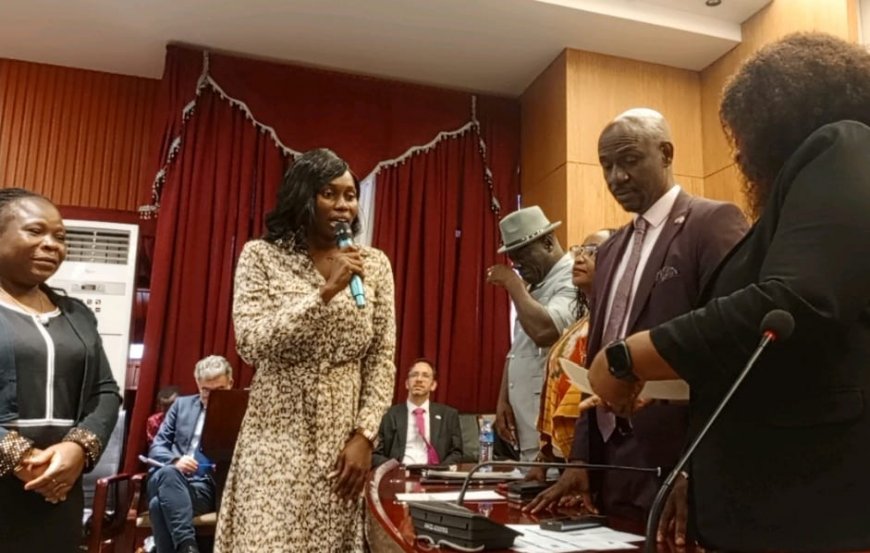
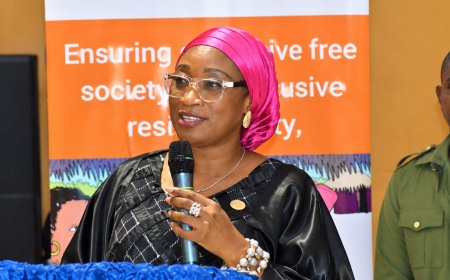
Monrovia, Liberia: Liberia’s Deputy Minister for Gender, Children, and Social Protection, Laura Golakeh, has firmly opposed suggestions that Female Genital Mutilation (FGM) should continue under the Sande Society, but only if performed at an age of consent.
The debate arose from some quarters of the public. It proposes that females should only be eligible for Female Genital Mutilation at age 18, when they are deemed knowledgeable and capable of deciding based on consent under the Liberian law.
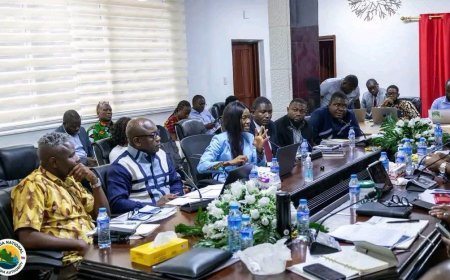
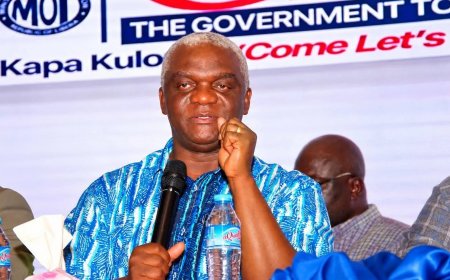
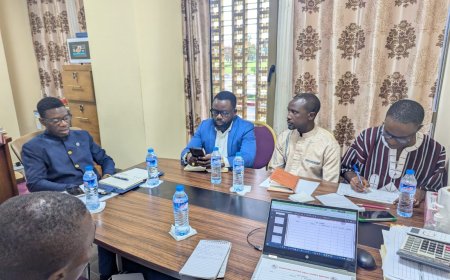
This, was elevated during a recent meeting attended by Deputy Gender Minister Laura Golakeh and members of the House of Representatives in Monrovia.
During the meeting, the Deputy Minister stated that the debate about FGM consent disregard the harsh realities faced by girls and women in communities where the practice is deeply rooted in cultural life.
“I just want to quickly comment on the issue of consent that we’ve been going back and forth on. No matter how old you are, you should not have harm done to you. There Is nothing called consent, in coercive settings,” she said.
Golakeh explained that in many communities, young women experience intense pressure to join traditional societies as a rite of passage, often linked to social acceptance and access to community privileges.
She emphasized that restricting FGM to a certain age would not resolve human rights issues. She maintained that true consent cannot exist in environments of coercion, cultural pressure, and unequal power dynamics that underpin the practice.
Golakeh described Female Genital Mutilation as a harmful traditional practice and said that Liberia’s culture remains valuable and worthy of protection.
“When we talk about consent, we must consider women in communities where they are bullied or pressured to undergo the practice. To gain certain privileges, people are compelled to go through it. So there is nothing called the issue of consent.”
“Our culture is unique. We respect our elders. We take care of our children. We must preserve the good aspects of our culture and protect our girls and women,” she said. “Our culture is important, and we will stand with our culture,” the Deputy Minister affirmed.
She also reiterated Liberia’s commitment to ending FGM: “Ending FGM is not only a legal matter; it is a human rights obligation. Liberia has ratified major international human rights treaties and must hold itself accountable to them.”
Golakeh referenced recent national and international observances against FGM and said the government is intensifying community engagement and national coordination efforts to eliminate the practice.
She called on government agencies and partners to support the fight against Female Genital Mutilation. FGM, a practice long embedded in traditional activities in Liberia, has encountered opposition from many national leaders and gender advocates in recent years.
In early 2025, the Liberian government through the Ministry of Local Government, formerly the Internal Affairs Ministry, suspended all Poro (male) and Sande (female) society activities—commonly known as "bush schools," where traditional practices including FGM are carried out.
In October 2025, President Joseph Boakai introduced the "Act to Ban Harmful Cultural Practices in Liberia" to the House of Representatives, aiming to permanently outlaw Female Genital Mutilation and child marriage.
As the movement to end FGM gains momentum in Liberia, some traditional leaders have protested these efforts, arguing that banning or eliminating FGM would threaten cultural practices and weaken the country’s traditions.
What's Your Reaction?
 Like
0
Like
0
 Dislike
0
Dislike
0
 Love
0
Love
0
 Funny
0
Funny
0
 Angry
0
Angry
0
 Sad
0
Sad
0
 Wow
0
Wow
0