







Jimmy Slams Pogba’s “Best Comeback” Award, Ignites Debate Over What True Resilience Means in Football

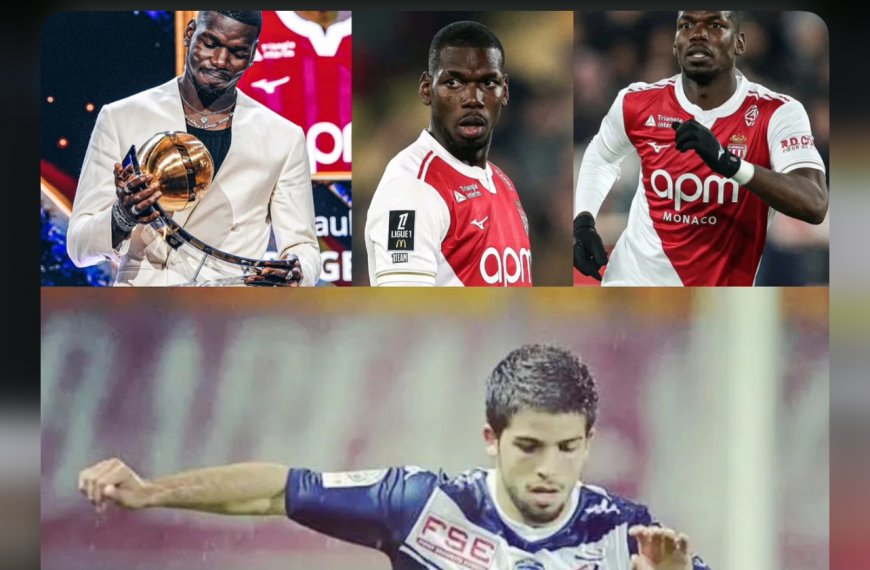
Former French footballer Jimmy Cabot has sparked a heated debate in football circles after publicly criticizing the decision to award Paul Pogba the Best Comeback prize at the 2025 Globe Soccer Awards, questioning both the criteria and the message such recognition sends to the football world.
Cabot’s comments came shortly after Pogba was honored following his return to professional football after a lengthy suspension related to a doping case. In a pointed reaction posted online, Cabot contrasted Pogba’s situation with other players who, in his view, overcame far more devastating and uncontrollable challenges.
“Matthieu Udol four cruciate ligament injuries, back as a starter in a Ligue 1 first team by the winter break with RC Lens.
Nabil Bentaleb cardiac arrest, several months out, returns to score the winning goal for Lille.
Pogba suspended for doping: they give him a trophy.”
Jimmy Cabot is not a random voice in French football. A former professional winger who played in Ligue 1 and Ligue 2, Cabot’s own career was severely disrupted by injuries, forcing him to battle repeated physical setbacks and eventually retire earlier than expected. His experience of fighting for fitness, relevance, and survival in professional football gives credibility to his criticism.
For Cabot, the idea of a “comeback” is rooted in overcoming adversity beyond one’s control—injuries, health scares, or life-threatening conditions—not sanctions resulting from disciplinary or regulatory breaches.
Paul Pogba’s Long and Painful Decline
Paul Pogba’s journey over the past several years has been anything but smooth. Once the most expensive player in the world and a 2018 World Cup winner with France, Pogba’s career unraveled through a combination of injuries, off-field turmoil, and loss of form.
After returning to Juventus from Manchester United in 2022, Pogba struggled with persistent knee problems that limited his appearances. Just as he was attempting to regain fitness and consistency, his career took a dramatic turn in 2023 when he tested positive for testosterone, a banned substance.
The case resulted in a lengthy suspension, effectively sidelining him during what should have been the prime years of his career. Pogba denied intentional wrongdoing, maintaining that the substance entered his body unintentionally. Nonetheless, the ban halted his momentum, damaged his reputation, and left his future in serious doubt.
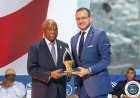
By 2025, Pogba had returned to competitive football, working his way back into match fitness and relevance after months away from the game. The Globe Soccer Awards committee viewed his return as a symbol of resilience and mental strength, awarding him the Best Comeback accolade.
However, critics like Cabot argue that returning from a doping suspension, regardless of personal struggle, should not be placed on the same pedestal as players who survived career-threatening injuries or life-and-death medical emergencies.
Supporters of Pogba point to the mental toll, public scrutiny, and isolation he endured during his suspension. They argue that rebuilding a career after global humiliation and enforced absence requires enormous psychological strength.
Opponents counter that honoring such a return risks normalizing misconduct and undermines players who fought back from adversity they did not cause.
The Pogba award has divided fans, players, and pundits alike. For some, it represents forgiveness and second chances. For others, including Jimmy Cabot, it symbolizes a troubling shift in football’s moral compass—where fame and narrative outweigh the nature of the hardship overcome.
What is clear is that the controversy has forced the football world to reflect on what resilience truly means, and whether all struggles should be celebrated equally.
What's Your Reaction?
 Like
0
Like
0
 Dislike
0
Dislike
0
 Love
0
Love
0
 Funny
0
Funny
0
 Angry
0
Angry
0
 Sad
0
Sad
0
 Wow
0
Wow
0